Ghana Feeds 150,000 Students Fortified Rice, Helps Farmers
Ghana is rolling out nutrient-rich fortified rice to over 150,000 students across six regions, solving the nutrition loss problem that happens when rice is processed. The program is boosting both student health and local farmer incomes in one smart solution.
Over 150,000 Ghanaian students are getting healthier meals at school while local farmers gain new income streams, thanks to a United Nations World Food Programme initiative that's solving two problems at once.
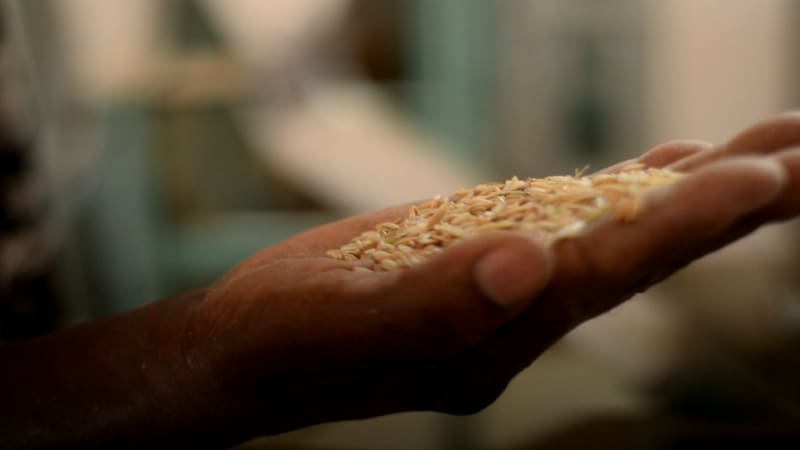
The WFP has equipped four local rice mills with fortification technology worth over $80,000, turning everyday school meals into nutrition powerhouses. Most rice sold in Ghana loses essential vitamins and minerals during processing, leaving students without nutrients they need to learn and grow.
The fortified rice program now operates in 360 basic schools and 35 senior high schools across six regions, including Upper West, Northern, Ashanti, and Greater Accra. Local millers receive fortified rice kernels and blend them with regular rice before supplying schools through the national feeding program.
Franco Food Processing and Farms in Ejisu is one of four mills leading the charge. CEO Franco Obour says the next contract will supply 45,000 bags of rice to schools, creating steady business for local processors and the farmers who supply them.
Students at Ejisu Senior High Technical School are already noticing the difference. The school switched from polished white rice to the fortified variety, and students say they can feel the nutritional boost.
Assistant Boys' Prefect Christian Kwame Adjei sees even broader potential. He believes expanding local rice production could offer village youth legitimate employment, reducing the temptation to pursue illegal mining operations that have plagued some rural areas.
The Ripple Effect
The program creates a virtuous cycle that touches multiple parts of Ghanaian society. Students get better nutrition, which research shows improves attendance and academic performance. Local millers gain valuable equipment and contracts. Farmers find reliable buyers for their crops.
Rev. Emmanuel Addo, who coordinates the School Health Education Programme in Ashanti Region, calls the transition to fortified rice a win for student wellbeing. The unpolished rice retains more natural nutrients while the fortification adds back what processing removes.
The WFP distributed 60 metric tonnes of fortified rice kernels valued at more than $91,000 to get production started. Now the organization is conducting a cost benefit analysis to determine if the pilot can scale nationwide through Ghana's School Feeding Programme.
Students themselves are asking for expansion. "The rice served is rich in nutrients," one student explained. "Since nutrients are essential for our growth and health on campus, it is necessary that we have more."
The program proves that smart policy can nourish both people and local economies, turning everyday school lunch into an engine for community development.
Based on reporting by Myjoyonline Ghana
This story was written by BrightWire based on verified news reports.
Spread the positivity! 🌟
Share this good news with someone who needs it