Ghana Launches Policy to Transform Early Childhood Care
Ghana just unveiled a bold new framework to give every child under eight the strongest possible start in life. The revised policy brings together health, nutrition, education, and family support in one coordinated national effort.
Ghana is betting big on its youngest citizens with a sweeping new policy that could reshape childhood across the nation.
The West African country has launched its revised Early Childhood Care and Development Policy, targeting children from birth to age eight. Led by the Ministry of Gender, Children and Social Protection, the initiative centers on one powerful idea: investing early creates a brighter future for everyone.
Minister Agnes Naa Momo Lartey called the policy a decisive national commitment to helping children survive, grow, develop, and stay protected. The framework builds on years of local evidence and global best practices while aligning with Ghana's development goals and the United Nations Sustainable Development Goals.
The science backs the urgency. Research shows the first 1,000 days of life are critical for lifelong outcomes. Lartey emphasized that investing in early childhood isn't optional but strategic, directly improving national productivity, equity, and long-term prosperity.
The policy takes a whole-of-government and whole-of-society approach. It weaves together health services, nutrition programs, early learning opportunities, responsive caregiving, safety measures, and inclusion initiatives into one comprehensive system.
Parents and caregivers get direct support too. The Ministry is developing a National Parenting Strategy with UNICEF to equip families with practical, evidence-based tools for nurturing their children.
Dr. Afisah Zakariah, the Ministry's Chief Director, called the revised policy a national milestone guaranteeing children the best possible start. She praised the collaborative effort bringing together government agencies, development partners, traditional authorities, and communities to create a framework truly responsive to Ghanaian children's needs.
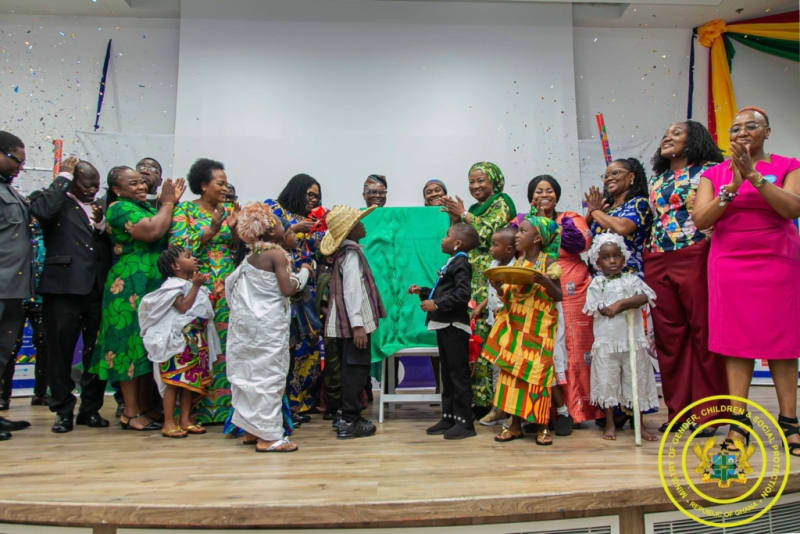
Representatives from the Ministry of Health, Ministry of Local Government, Chieftaincy and Religious Affairs, parliamentary leaders, and development partners all pledged their support at the launch ceremony. A symbolic performance by the Early Childhood Development Council illustrated how families, institutions, and communities share responsibility for nurturing children through critical growth stages.
The Ripple Effect
When children thrive, entire nations transform. Ghana's investment in its youngest generation creates ripples that will touch every sector of society for decades to come. Better early childhood outcomes mean healthier adults, stronger workers, more innovative thinkers, and more engaged citizens.
The policy's coordinated approach ensures no child falls through the cracks. By bringing together multiple ministries, local assemblies, and communities, Ghana is building resilient systems that work at every level from national policy to neighborhood support.
President John Mahama's administration has signaled children will sit at the center of national development planning. The message is clear: securing tomorrow starts with investing in children today.
Ghana is showing the world what prioritizing children looks like in action.
Based on reporting by Google News - Ghana Development
This story was written by BrightWire based on verified news reports.
Spread the positivity!
Share this good news with someone who needs it