Global Aid Crisis Threatens 6.7 Million Children - But Hope Emerges
In 2025, global aid cuts threatened millions of children's futures, exposing systemic humanitarian challenges. Local communities responded with remarkable resilience, offering a path toward more sustainable, child-centered support.
In a world where children's futures hang in delicate balance, 2025 became a pivotal year that exposed the fragility of international humanitarian support and the resilience of global communities.
When the United States abruptly halted foreign aid in January, the humanitarian landscape transformed overnight. Save the Children, an organization with 106 years of dedicated service, faced unprecedented challenges - forced to close country offices, cut thousands of staff positions, and suspend life-saving operations that would impact an estimated 11.5 million people, including 6.7 million vulnerable children.
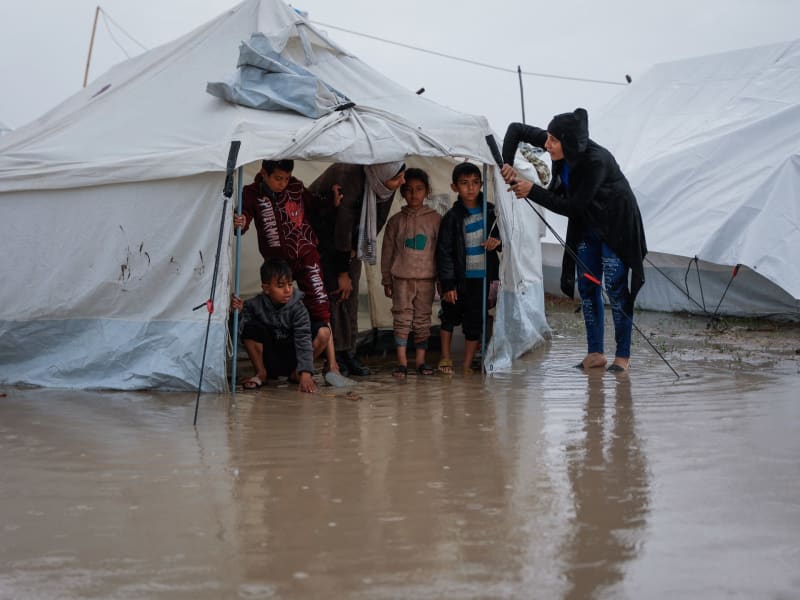
The stark reality of 2025 revealed a global childhood under siege: one in every five children was living in an active conflict zone, where violence, sexual assault, and abduction have reached record levels. Nearly 50 million children were displaced from their homes, while approximately 1.12 billion children could not afford a balanced diet, and 272 million remained out of school.
Despite these overwhelming statistics, remarkable pockets of hope emerged. Local communities, families, teachers, and grassroots organizations demonstrated extraordinary resilience. In Thailand, a ban on corporal punishment signaled progressive child protection reforms, while Bolivia criminalized child marriage and passed critical digital protection legislation.
The aid crisis exposed systemic vulnerabilities in global humanitarian support, where sudden political shifts can instantly unravel decades of progress. Yet, the response from local communities illustrated a profound truth: the most effective interventions are those rooted closest to children's lived experiences.
As 2026 dawns, the global community faces a critical moment of reckoning. The challenge is clear: reimagine humanitarian support through more sustainable, locally-driven approaches that genuinely reflect children's needs and aspirations. The path forward requires innovation, accountability, and an unwavering commitment to protecting the most vulnerable members of our global society.
While the road ahead remains complex, the resilience demonstrated by communities worldwide offers a beacon of hope. Children's futures are not defined by statistics, but by our collective commitment to creating environments where every child can thrive, learn, and dream without fear.
Based on reporting by Al Jazeera
This story was written by BrightWire based on verified news reports.
Spread the positivity! 🌟
Share this good news with someone who needs it
More Good News
 💡 Solutions
France Champions Child Protection: Pioneering Social Media Restrictions for Teens
 💡 Solutions
The Potato: Earth's Most Resilient Food Hero Reveals Surprising Global Impact
 💡 Solutions