Grocery Stores Cut Food Waste 21% With Smarter Shelves
New research shows grocery stores can boost profits by 6% and slash food waste by more than 21% just by rearranging where products sit on shelves. No fancy technology or customer behavior changes needed.
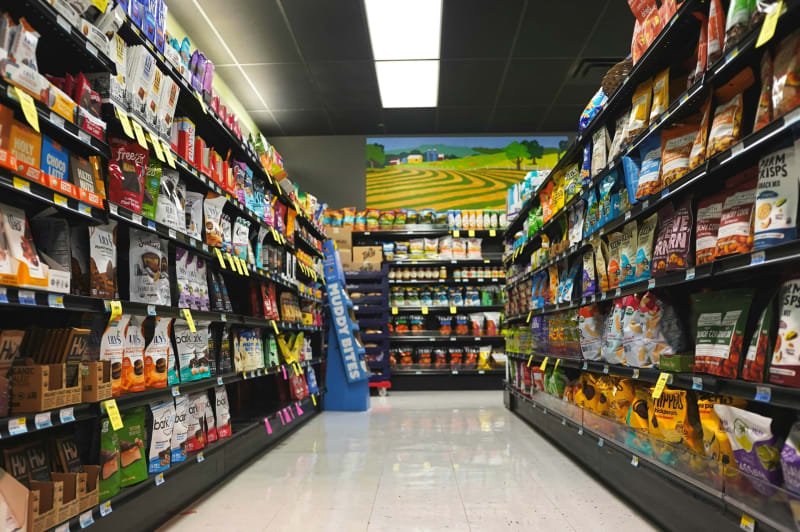
Grocery stores have been sitting on a simple solution to food waste that's been hiding in plain sight: moving products around on their shelves.
A new study in Management Science reveals that small tweaks to how perishable items are displayed and discounted can increase store profits by 6% while cutting waste by more than 21%. The best part? Retailers don't need expensive technology or shoppers to change their habits.
Researchers from Eindhoven University of Technology, the University of Texas at Dallas, and the University of Florida examined thousands of simulated retail scenarios. They focused on three factors: where products sit on shelves, when discounts appear, and how deep those discounts go.
The findings flip conventional retail wisdom on its head. Most stores assume selling only the freshest items at full price protects their bottom line. Instead, strategic placement of older items where shoppers can easily reach them keeps products from hitting the trash.
"Retailers don't have to choose between profitability and sustainability," said study author Zumbul Atan. "In many cases, the same decisions that improve profits also dramatically reduce waste."
The strategy works differently for different products. Slow-spoiling items like dairy perform best when older products sit front and center with modest discounts. Fast-decaying expensive items like meat benefit more when fresher products take priority with deeper price cuts.
Even retailers like Walmart that rarely discount can benefit. Simply adjusting product displays reduces waste and boosts profits when customer traffic is unpredictable, which describes most stores most of the time.
The Ripple Effect
The implications stretch far beyond store balance sheets. Food waste drives 17% of global food production losses and fuels methane emissions that accelerate climate change. In the United States alone, up to 40% of all food goes uneaten.
Study co-author Dorothee Honhon notes that stores worried about discount strategies hurting their brand can still win big. "Display strategy alone can deliver meaningful gains," she said.
The research proves that meaningful progress doesn't always require massive behavioral shifts or expensive innovations. Sometimes the most powerful solutions come from optimizing what's already under our control.
"It's not about asking consumers to do more," said co-author Amy Pan. "It's about designing systems that work better for everyone."
Small changes at the shelf level can ripple across entire food supply chains, turning everyday operations into engines for environmental good while padding store profits at the same time.
More Images
Based on reporting by Phys.org
This story was written by BrightWire based on verified news reports.
Spread the positivity!
Share this good news with someone who needs it