Guatemala Plans 81% Renewable Energy Grid by 2050
Guatemala just unveiled an ambitious energy plan that will transform 81.5% of its electricity grid to renewable sources by 2050. The Central American nation is betting big on solar, geothermal, and hydropower to power its future.
Guatemala just became the latest nation to bet its energy future on sunshine, steam, and water instead of fossil fuels.
The country's new energy roadmap runs through 2050 and sets a clear target: generate more than 81% of electricity from renewable sources. That's a massive shift for a developing nation where energy demand has nearly quadrupled since the early 2000s and is expected to double again in the next two decades.
The plan isn't just wishful thinking. Guatemala's Ministry of Energy and Mines has already identified nearly 8,800 megawatts of potential projects, and 84% of them are renewable technologies.
Hydropower will remain the workhorse with over 2,700 megawatts planned, but solar is emerging as the star player. More than 2,400 megawatts of solar panels are projected to blanket rooftops and fields across the country, making clean energy accessible even in remote communities.
Geothermal energy will add 617 megawatts of reliable, round-the-clock power by tapping into the heat beneath Guatemala's volcanic landscape. Wind farms will contribute up to 545 megawatts, especially valuable because they generate most strongly at night when solar panels sit idle.
Perhaps most exciting is the explosion of small-scale energy producers. Guatemala now has over 14,000 people and businesses generating their own power and feeding extra electricity back into the grid. That number grew from just 7.5 megawatts in 2009 to more than 160 megawatts today, and planners expect it to reach 1,200 megawatts by 2050.
Battery storage will play a crucial supporting role. All large solar projects will be required to install batteries equal to 30% of their capacity, ensuring lights stay on even when clouds roll in.
The Ripple Effect
This transformation extends far beyond reducing emissions. The plan includes building 5,687 kilometers of new transmission lines and 172 substations to connect rural communities to reliable electricity for the first time.
That infrastructure will improve quality of life for thousands of Guatemalans while creating construction jobs and making the country more attractive for businesses that need dependable power. The grid expansion also positions Guatemala to share clean electricity with neighboring countries through regional integration projects.
International partners including the European Union and several development agencies are backing the plan with technical and financial support, giving it credibility with investors and lenders.
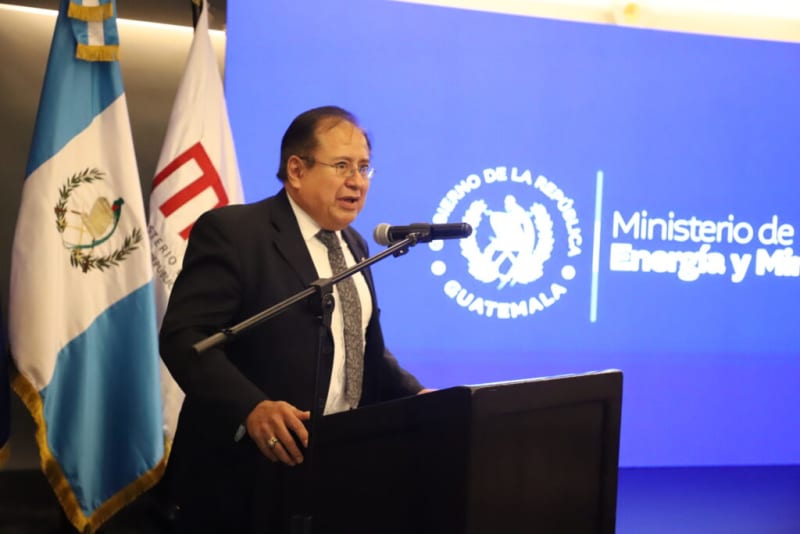
Director of Energy Luis Manuel Pérez captured the challenge ahead simply: "The electricity grid must grow at the same pace as the country and be ready to integrate new technologies and generation sources."
Guatemala now joins the growing list of nations proving that ambitious climate action and economic development can happen together.
More Images


Based on reporting by Google: renewable energy record
This story was written by BrightWire based on verified news reports.
Spread the positivity! 🌟
Share this good news with someone who needs it
_1.png)

