Gut Compound Shields Kids From Fatty Liver Disease
A natural molecule made by healthy gut bacteria could protect children from liver disease linked to their mother's pregnancy diet. University of Oklahoma scientists found the compound dramatically reduced fatty liver risk in mice, opening new doors for early prevention.
A compound produced by your gut bacteria might protect your future children from fatty liver disease before they're even born.
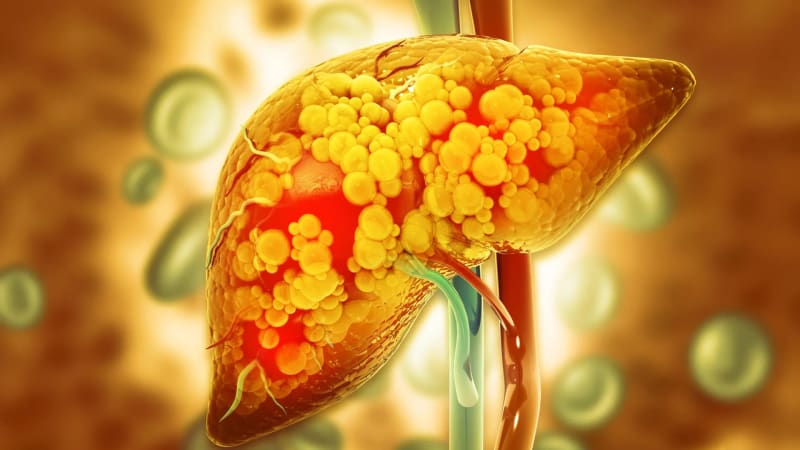
Scientists at the University of Oklahoma discovered that indole, a natural molecule made when healthy gut bacteria break down foods like turkey and nuts, dramatically lowered fatty liver disease rates in mice. The findings offer fresh hope for preventing a condition that affects up to 30% of children with obesity.
When pregnant and nursing mice ate a high-fat, high-sugar diet but also received indole, their offspring showed remarkable protection. Even after being switched to an unhealthy diet later in life, these young mice maintained healthier livers, gained less weight, and kept their blood sugar lower than mice whose mothers didn't receive the compound.
The results matter because fatty liver disease in children is largely silent until symptoms appear, and weight loss remains the only proven treatment. No medications are currently approved for kids with the condition.
Dr. Jed Friedman, who led the study at the OU Health Harold Hamm Diabetes Center, explains that children inherit their gut microbiome from their mothers. When a mother's diet is poor during pregnancy, it can shape her baby's gut bacteria in harmful ways that increase disease risk years later.
The research team found something especially encouraging. When they transferred gut bacteria from the protected mice to other mice that hadn't received indole, those mice also experienced less liver damage. This suggests the protective effects come from lasting changes to the microbiome itself.
Why This Inspires
This discovery points toward something medicine rarely gets to do: prevent disease before it starts rather than treating it after damage occurs. Dr. Karen Jonscher, who co-led the study published in eBioMedicine, notes that improving a mother's microbiome during pregnancy could stop fatty liver disease from developing in the first place.
While the research used mice and can't yet be applied to humans, it opens a promising new pathway. The compound worked by activating protective gut pathways and changing the types of fats in the liver, favoring beneficial ones over harmful varieties.
For the 10% of all children who develop fatty liver disease, and the much higher rates among kids with obesity, early prevention strategies could transform outcomes. The disease progresses faster in children than adults and connects closely to diabetes risk.
The next steps involve understanding whether similar approaches could work safely in pregnant women, potentially through diet, probiotics, or other gut health strategies.
Based on reporting by Health Daily
This story was written by BrightWire based on verified news reports.
Spread the positivity!
Share this good news with someone who needs it