Harm Reduction Services Return $10 for Every Dollar Invested
New research from Australia shows harm reduction programs deliver massive returns, saving lives and millions of dollars. Every dollar invested in services like needle exchanges and overdose prevention could return more than $10 in benefits.
Investing in helping people who use drugs isn't just the right thing to do. It's also incredibly cost-effective, according to groundbreaking research from the Australian Capital Territory.
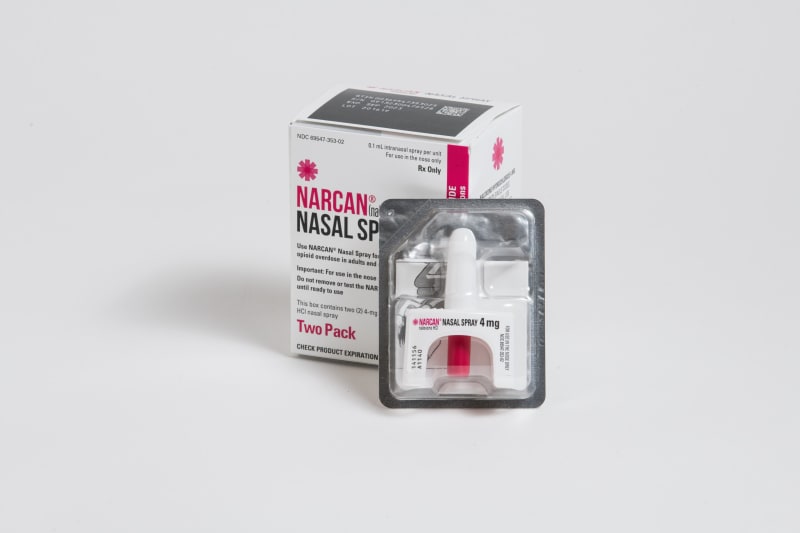
A new study from Burnet Institute found that harm reduction services deliver a stunning 10-to-1 return on investment. For every dollar spent on programs like needle exchanges, overdose prevention medication, and addiction treatment, communities save more than $10 in healthcare costs and other benefits.
The research, published in the journal Addiction, examined harm reduction services in the ACT region and found they could deliver over $250 million in health and societal benefits between 2026 and 2030. Even more importantly, these programs could prevent dozens of overdose deaths.
Opioid treatment programs using medications like methadone showed some of the strongest returns when expanded. These treatments reduce overdoses, prevent deaths, and decrease injection-related infections that require expensive hospital care.
The study also looked at supervised drug consumption rooms, where people can use drugs under medical supervision. Even in smaller communities, these facilities proved cost-effective, returning nearly $3 for every dollar spent through reduced ambulance calls, fewer emergency room visits, and prevented overdose deaths.
The researchers found that nurse-led or peer-led consumption room models delivered better returns than doctor-led facilities operating elsewhere in Australia. This suggests communities can implement effective programs without massive infrastructure investments.
The Ripple Effect
The benefits extend far beyond individual health outcomes. When harm reduction services prevent overdoses and infections, they ease pressure on emergency services and hospitals. Paramedics spend less time responding to overdose calls. Emergency rooms have more capacity for other patients. And families don't lose loved ones to preventable deaths.
The economic case becomes even stronger when researchers considered the arrival of more dangerous synthetic opioids in drug supplies. Under these higher-risk conditions, the cost-effectiveness of harm reduction programs increased significantly. Communities that invest now in these services will be better prepared for evolving drug-related challenges.
Professor Paul Dietze from Burnet Institute emphasized that these programs do more than save money. They help people engage with existing health services and create pathways to recovery and support.
The study provides solid evidence that treating drug use as a health issue rather than only a criminal justice problem benefits everyone. Communities get safer, healthcare systems save money, and most importantly, lives are saved.
This research gives policymakers clear evidence that harm reduction is both compassionate and economically smart, proving that doing good and spending wisely can go hand in hand.
More Images


Based on reporting by Medical Xpress
This story was written by BrightWire based on verified news reports.
Spread the positivity!
Share this good news with someone who needs it