Hawaii Seaweed Cuts Cow Methane 80% While Boosting Profit
A Hawaiian company has turned red seaweed into a cattle feed additive that slashes methane emissions by up to 80% while delivering 180% return on investment through better weight gain and feed efficiency. Symbrosia is now feeding 6,000 cattle monthly and plans to scale to 22,000 by 2027.
📺 Watch the full story above
A climate solution that actually makes farmers money sounds too good to be true, but that's exactly what's happening on cattle ranches across America.
Symbrosia, a Hawaii-based company, has cracked the code on turning Asparagopsis seaweed into a profitable feed additive that happens to dramatically cut methane emissions. The twist? Ranchers are buying it for the money, not the planet.
"We see a misconception that Asparagopsis is purely a climate solution," says Alexia Akbay, Symbrosia's CEO. "In reality, SeaGraze is a nutrition and performance tool first, with methane reduction as a co-benefit."
That reframing has changed everything. Cattle producers report a minimum 180% return on investment before even counting the environmental benefits. Cows gain weight faster, use feed more efficiently, and absorb minerals better.
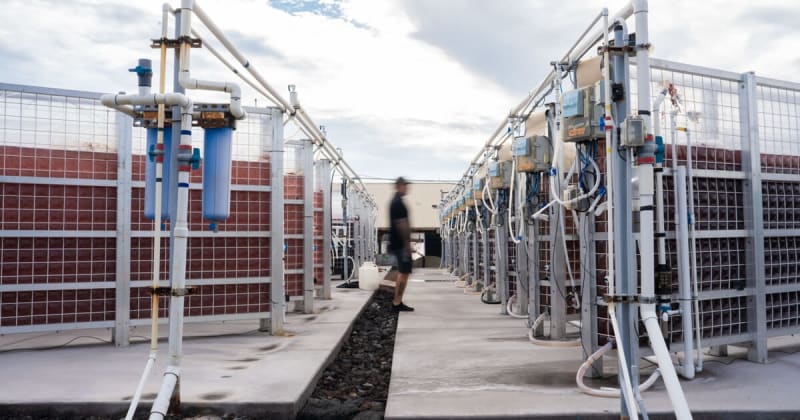
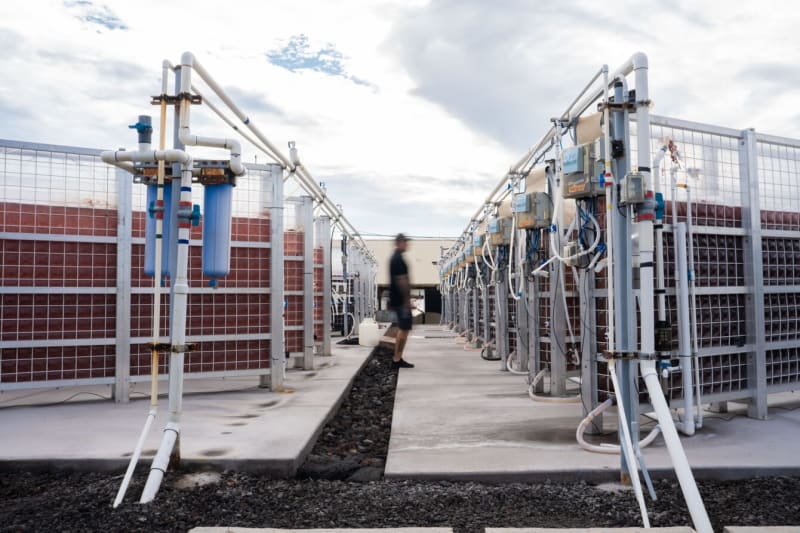
The company has scaled production from enough seaweed to feed eight cows monthly in 2023 to 6,000 today. By mid-2026, they expect to double that again. A 15-acre biorefinery opening in 2027 will push capacity to 22,000 cattle per month.
The science is solid. More than 30 peer-reviewed studies confirm that bromoform-rich compounds in Asparagopsis prevent methane formation in cow stomachs. Symbrosia's research shows beef cattle receiving average doses cut methane by 35%, while higher doses reduce it by over 80%.
The company controls everything from genetics to packaging, allowing them to maintain consistency and scale without depending on outside suppliers. A €1 million grant in 2024 helped them quadruple the concentration of key compounds and develop SeaGraze Oil, their highest-performing product.
They've even created a measurement tool that calculates methane reduction using dose and feed parameters, making it possible for farmers to generate carbon credits without expensive monitoring equipment on every ranch.
The Ripple Effect
In Hawaii, the seaweed they're farming, locally called limu kohu, is a native species with cultural significance. Symbrosia partnered with the University of Hawaii Sea Grant Programme in early 2025 to restore wild populations while scaling commercial production.
"We cannot commercialize a species without protecting its wild lineage," Akbay explains. The restoration work strengthens coastlines, supports biodiversity, and honors the company's responsibility to the ecosystem.
The company has reached break-even on production costs, reduced pricing, and completed core safety studies with the FDA. What started as a research project is now a self-sustaining business proving that climate solutions don't have to sacrifice profitability.
Farmers get richer cows, the planet gets cleaner air, and Hawaii's coastal ecosystems get healthier—a win that keeps multiplying.
More Images



Based on reporting by Google News - Climate Solution
This story was written by BrightWire based on verified news reports.
Spread the positivity! 🌟
Share this good news with someone who needs it