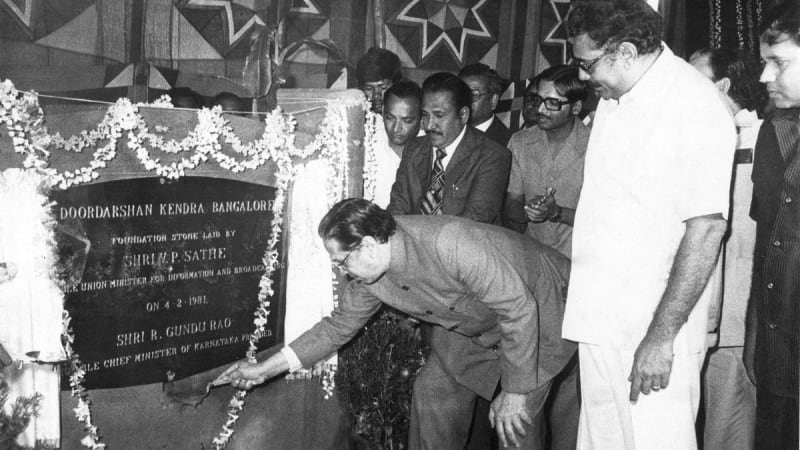
How Doordarshan United India: Celebrating the Golden Era of National Television
New books celebrate Doordarshan's remarkable legacy of bringing together a diverse nation through shared television experiences. These heartwarming accounts remind us how public broadcasting shaped India's cultural identity and created lasting memories across generations.
There's something magical about rediscovering the golden era of Indian television, and several new books are helping us do exactly that. These warm retrospectives celebrate how Doordarshan, India's public broadcaster, became the thread that stitched together an incredibly diverse nation.
Sheila Chaman's "Doordarshan Diaries: The Golden Era of Television" is a delightful journey back to simpler times when families gathered around their television sets, sharing experiences that would spark conversations and bring communities together. The veteran broadcaster, who dedicated three decades to the medium, shares wonderful behind-the-scenes stories that illuminate the pioneering spirit and creativity of those who made television history.
What made Doordarshan truly special was its commitment to more than just entertainment. The broadcaster championed constitutional values, promoted national integration, and supported social development across India's diverse linguistic and ethnic communities. During its daily four-hour broadcasts, it managed to create shared cultural moments that unified millions of people across the country.
The beauty of these retrospective accounts lies in their celebration of innovation and dedication. Chaman highlights how producers and creators worked with remarkable discipline and creativity to craft content that resonated with audiences from Kashmir to Kanyakumari. Despite limited resources and technology, they succeeded in creating programs that became cherished national memories.
Ananth Mahadevan's "Once Upon a Prime Time" adds another fascinating perspective, offering insights from performers who were part of this golden age. His partially autobiographical account reminds us of a time when television was about genuine connection rather than consumer-driven metrics.
Rommani Sen Shitak's scholarly work traces Doordarshan's inspiring evolution from humble beginnings in 1959 to becoming a flourishing multi-channel network. The journey showcases remarkable adaptability and commitment to serving India's diverse population.
Bhaskar Ghose's "Doordarshan Days" celebrates pivotal achievements including the enormously popular Ramayana and Mahabharata serials, the first live cricket World Cup broadcast, and groundbreaking satellite transmission. These milestones represented technological and creative triumphs that brought joy to millions.
Manna Bahadur's memoir lovingly remembers when television presenters became beloved national figures and fashion icons, and when news programs fostered informed discussion rather than sensationalism. These were the days when entire families would plan their evenings around favorite shows, creating bonds that transcended screens.
The connection between Doordarshan and All India Radio (AIR) reveals even more fascinating stories. Books like Neelesh Kulkarni and Vikrant Pande's "Akashvani: A Century of Stories from All India Radio" uncover delightful gems, such as Rabindranath Tagore dedicating a poem to AIR, and how the broadcaster nurtured talent that would later shine in Hindi cinema.
These books collectively celebrate an era when public broadcasting fulfilled a noble mission: bringing together a vast, diverse nation through shared experiences. They remind us how media can uplift, educate, and unite people across differences.
For generations who grew up with Doordarshan, these accounts offer heartwarming nostalgia. For younger readers, they provide inspiration about the power of purposeful, values-driven broadcasting. The legacy of Doordarshan demonstrates how media, at its best, can shape positive national identity and create lasting cultural bonds that span generations.
Based on reporting by The Hindu
This story was written by BrightWire based on verified news reports.
Spread the positivity! 🌟
Share this good news with someone who needs it
More Good News
 💛 Acts of Kindness
Music Lover Creates Magical Time Machine with 20,000+ MTV Videos for Everyone to Enjoy
 💛 Acts of Kindness
China's 'Instant Reply Providers' Earn $1,400 Monthly Bringing Comfort Online
 💛 Acts of Kindness
Rajasthan Photographer Saves Desert Wildlife With 130 Water Ponds
Joke of the Day
Why did the dog apply for a job at the bank?
Explore Categories
Quote of the Day
"The greatest thing you'll ever learn is just to love and be loved in return."
— Moulin Rouge (from the film, popularized by Ewan McGregor)