How One Small Preserve is Reviving the Bahamas' Lost Botanical Heritage
The Leon Levy Native Plant Preserve is transforming a once-abandoned site into a thriving ecological sanctuary. Through careful restoration, the preserve is reviving the Bahamas' native plant diversity and serving as a model for conservation.
On the narrow island of Eleuthera, a remarkable transformation is quietly unfolding at the Leon Levy Native Plant Preserve — a testament to ecological resilience and dedicated conservation. What was once an abandoned hotel site and depleted farmland has become a vibrant sanctuary of subtropical dry forest, teeming with native wildlife and rare plant species.
The 12-hectare preserve now buzzes with life: massive black witch moths zigzag between branches, orchard spiders construct intricate webs among mangrove roots, and native Jamaican slider turtles bask in artificial wetlands. Resident botanist Ethan Freid has meticulously orchestrated this ecological renaissance, importing approximately 3,500 native trees and shrubs across seven 40-foot shipping containers to initiate an ambitious reforestation project.
The Bahamas' ecological history tells a stark story of environmental degradation. Centuries of slash-and-burn agriculture, clear-cutting for development, and extensive logging decimated native forests. Valuable hardwood species like cascarilla and mahogany were exported, while fires destroyed remaining woodland. The island transitioned from a diverse ecosystem to primarily a pineapple and dairy production landscape.
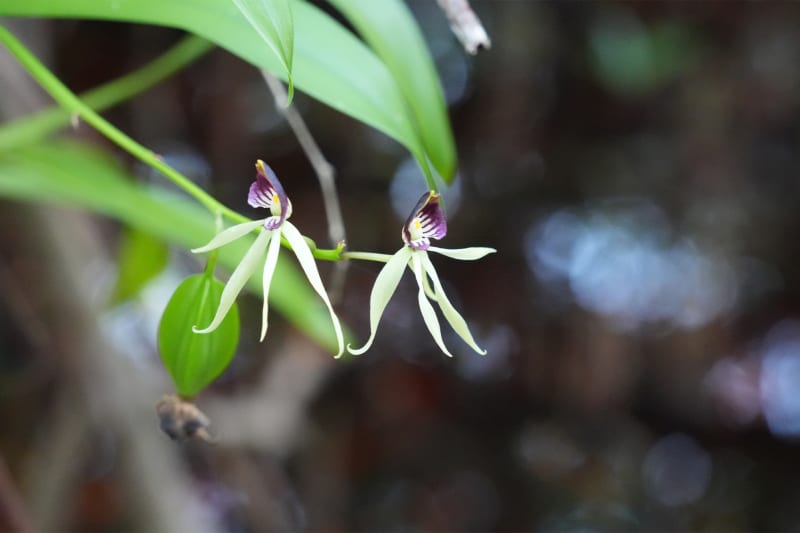
Freid's restoration strategy was deliberate and patient. Beginning in 2009 by removing invasive species, he carefully planted trees to mimic natural forest density — approximately one tree per square meter. The process was slow and methodical, taking nearly six years before natural leaf litter could support robust plant growth. The preserve's canopy gradually created optimal conditions for delicate epiphytes like orchids and bromeliads to naturally reestablish themselves.
Funded through a partnership between the Bahamas National Trust and the Leon Levy Foundation, the preserve is now an accredited botanical garden and a hub of Caribbean plant knowledge. Philanthropist Shelby White's initial land purchase enabled this transformative project, which has turned an informal dumping ground into a carefully managed ecological showcase. Strategic elements like an artificial pond, waterfall, and boardwalk through a mangrove forest highlight the preserve's commitment to education and conservation.
What makes this project truly remarkable is its holistic approach. Rather than simply planting trees, Freid and his team enhanced existing environmental conditions. They created microhabitats that support diverse species, from tiny tree lizards and frogs to nonvenomous snakes. The preserve now stands as a living laboratory, demonstrating how intentional ecological restoration can breathe life back into damaged landscapes.
Today, the Leon Levy Native Plant Preserve represents more than just a conservation site — it's a beacon of hope for biodiversity. By meticulously rebuilding native ecosystems acre by acre, this small preserve is leading a significant effort to protect and celebrate the Bahamas' unique botanical heritage, proving that with patience, expertise, and commitment, damaged landscapes can be reborn.
Based on reporting by Mongabay
This story was written by BrightWire based on verified news reports.