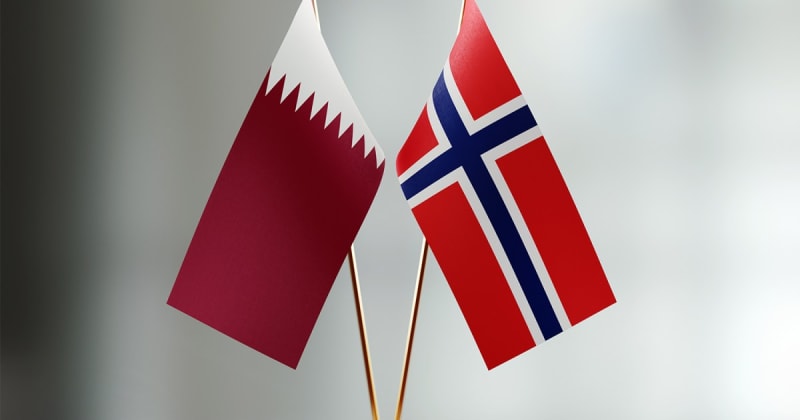
How Two Small Nations Are Making Peace a Global Priority for 2026
Norway and Qatar are proving that diplomacy and mediation can prevent conflicts from spiraling into global crises. Through their collaborative peacemaking efforts in Gaza, Sudan, Colombia, and beyond, these nations demonstrate how investing in dialogue today creates stability for tomorrow.
In a world often focused on conflict, two nations are quietly revolutionizing how we approach peace. Norway and Qatar, though small in size, are making an outsized impact by placing mediation at the heart of their foreign policy—and the results are genuinely inspiring.
As we move into 2026, these diplomatic partners are showing the international community that preventing conflict isn't just morally right—it's strategically brilliant. Rather than waiting for crises to explode, they're investing in dialogue, building bridges between adversaries, and keeping channels of communication open even in the most challenging circumstances.
The track record speaks for itself. In 2025, while headlines focused on tensions in Gaza, behind-the-scenes diplomatic work yielded tangible humanitarian wins. Confiscated tax funds were released, prisoners freed, and hostages reunited with their families. Humanitarian access improved, demonstrating that even in the darkest moments, persistent diplomacy can bring light.
In Sudan, their ongoing engagement focuses on reducing violence while protecting the country's unity and stability. The Great Lakes and Sahel regions have benefited from their understanding that lasting peace requires local ownership and regional responsibility. And in Colombia, at last year's Doha Forum, the world witnessed a historic moment: new peace commitments between the Colombian government and one of its most significant armed groups, marking another step toward ending over twenty years of conflict.
What makes this approach so effective? It's the recognition that today's regional conflict becomes tomorrow's global crisis. Migration patterns shift across continents, food and energy markets fluctuate, and humanitarian systems strain under pressure. By addressing disputes early through mediation, Norway and Qatar are essentially providing crisis insurance for the entire international community.
Their formula for success rests on five practical principles that any nation can adopt. They invest in preventative diplomacy before violence erupts, recognizing that early intervention costs a fraction of post-war reconstruction. They ground their work in international law, ensuring solutions have legitimacy and longevity. They treat humanitarian access as non-negotiable, protecting civilians from becoming bargaining chips. They build verification mechanisms into every agreement from day one, and they actively protect mediators who work tirelessly, often away from public view.
Perhaps most encouraging is their call for 2026 to be the year the world normalizes peace rather than disruption. As Dr. Mohammed bin Abdulaziz Al-Khulaifi of Qatar and Andreas Motzfeldt Kravik of Norway emphasize, mediation isn't about grand gestures—it's about disciplined, consistent work that keeps crises from consuming entire regions.
The message is hopeful and clear: political dialogue can become our first line of defense rather than a last resort. Small nations can lead with big ideas. And investing in peace today prevents the devastating costs of war tomorrow.
As these two nations demonstrate through action rather than rhetoric, sustainable peace isn't just possible—it's practical, achievable, and already happening. Their collaborative model offers a blueprint for how the international community can move from managing crises to preventing them entirely, creating a more stable and hopeful world for everyone.
Based on reporting by Al Jazeera English
This story was written by BrightWire based on verified news reports.
Spread the positivity! 🌟
Share this good news with someone who needs it
More Good News
 💡 Solutions
Jigawa State Unites: Community Leaders Forge Peaceful Future for Farmers and Herders
 💡 Solutions
26 Former Maoists Choose Peace: New Beginnings in Chhattisgarh's Sukma District
 💡 Solutions
South Africa Champions Diplomatic Solutions, Calls for Peaceful Dialogue on Venezuela
Joke of the Day
Why did the librarian get kicked out of class?
Explore Categories
Quote of the Day
"Do not go where the path may lead, go instead where there is no path and leave a trail."
— Ralph Waldo Emerson