Hungary and Egypt Bring €200K Health Project to Ghana
Two ambassadors arrived in Ghana with a plan to send specialist doctors and vital medical equipment worth €200,000 to improve healthcare access. The pilot project could grow into a long-term partnership that trains local medical professionals and strengthens the country's health system.
Ghana's healthcare system is about to get a major boost from an unexpected alliance between Hungary, Egypt, and local health officials.
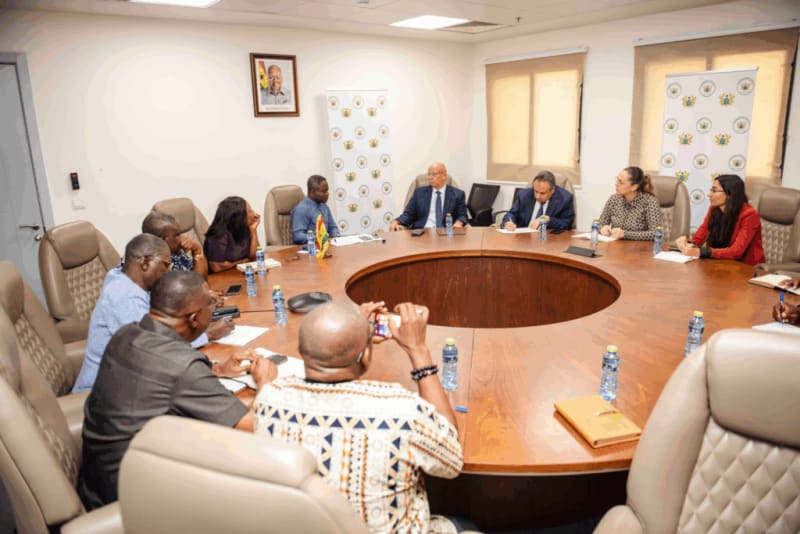
Ambassadors from Hungary and Egypt met with Ghana's Health Minister Kwabena Mintah Akandoh this week to propose a €200,000 medical support project. The initiative will send specialist doctors to Ghana and supply essential medical equipment to a hospital in the Greater Accra Region.
Hungarian Ambassador Tamás Fehér and Egyptian Ambassador Wael Fathy presented the plan as a pilot program with room to expand. If successful, the three countries could build a lasting partnership that transforms healthcare delivery across Ghana.
The project goes beyond just equipment donations. A Memorandum of Understanding will outline exactly which medical specialists will arrive and what equipment they'll bring, ensuring the support matches Ghana's actual needs.
What makes this initiative special is its focus on sustainability. Selected Ghanaian medical professionals will receive training from the visiting specialists, creating a ripple of knowledge that continues long after the equipment arrives.
Minister Akandoh welcomed the proposal with enthusiasm. He emphasized the Ministry's commitment to partnerships that don't just provide temporary fixes but actually strengthen local capacity and promote genuine knowledge exchange.
The Ripple Effect
This trilateral approach shows how international cooperation can address healthcare gaps in developing nations. When countries pool their resources and expertise, they create solutions that individual nations couldn't achieve alone.
The training component means Ghana won't become dependent on foreign experts. Local doctors will learn new techniques and gain experience with specialized equipment, then pass that knowledge to colleagues and future medical students.
For patients in the Greater Accra Region, this could mean access to specialist care that was previously unavailable or required expensive travel. Better equipment means more accurate diagnoses and more effective treatments.
The success of this pilot could inspire similar partnerships across Africa, proving that collaborative healthcare projects can work efficiently and sustainably. Other nations watching this initiative might develop their own trilateral programs, multiplying the positive impact across the continent.
Ghana's openness to this partnership demonstrates how accepting help isn't a sign of weakness but smart leadership that puts citizens' health first.
Based on reporting by Myjoyonline Ghana
This story was written by BrightWire based on verified news reports.
Spread the positivity! 🌟
Share this good news with someone who needs it