Indian Startup Plans $2M Satellite Life Extension Service
A new Indian space company just raised $2 million to build affordable "jetpacks" that attach to aging satellites and keep them working longer. By using cameras and AI instead of expensive sensors, Aule Space aims to make satellite servicing accessible to more customers worldwide.
Satellites cost millions to build and launch, but what if you could extend their lives for a fraction of that price?
That's exactly what Aule Space, a startup in India, plans to do. The company announced it raised $2 million in seed funding to develop small spacecraft that attach to satellites and take over their propulsion systems, keeping them in the right orbit for years longer than originally planned.
The concept isn't entirely new. Companies like SpaceLogistics have already flown similar missions. But Aule Space believes it can do it much more affordably by operating out of India and using smarter technology.
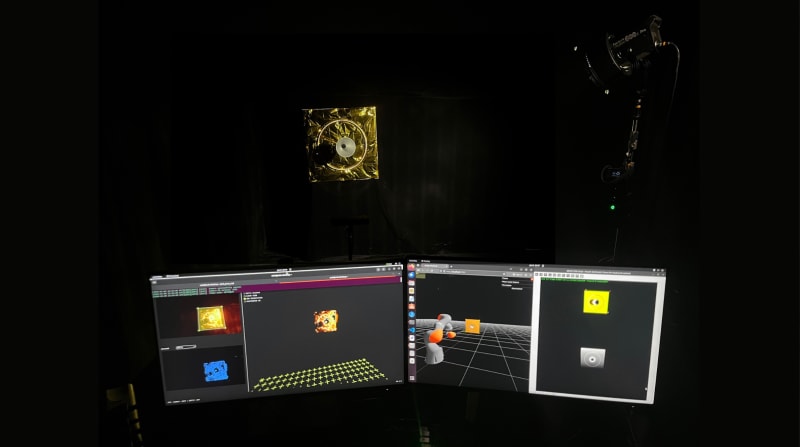
Instead of expensive radar and lidar sensors, the company is building its system around ordinary cameras and artificial intelligence. The AI processes the images to guide the spacecraft as it approaches and docks with client satellites, dramatically cutting costs without sacrificing safety.
"To make the business case for life extension, cost is the biggest factor," said Jay Panchal, co-founder and CEO of Aule Space. Operating from India gives the 11-person team access to top engineering talent at lower costs, an advantage they're passing on to customers.
The funding will help Aule Space complete ground testing at facilities used by ISRO, India's space agency. The company plans to launch a demonstration mission next year using two 30-kilogram satellites to prove its docking technology works in orbit.
Aule Space is already seeing interest from commercial satellite operators and the Indian government, including the military. While they don't have signed contracts yet, the conversations show real demand for affordable satellite servicing.
The company is part of a growing wave of Indian space startups supported by government initiatives and increasing venture capital. Pi Ventures, which led the funding round, saw potential in both the technical approach and the business plan.
"What stood out to us was the rare combination of deep technical excellence and a clearly thought-through commercial roadmap," said Manish Singhal, founding partner at pi Ventures. The firm believes Aule is building critical infrastructure for the next phase of the space economy.
The Ripple Effect
Making satellite servicing affordable could transform how the space industry operates. Instead of writing off satellites when their fuel runs low, operators could extend missions by years, getting more value from their investments and reducing space debris.
For India's emerging space sector, Aule Space represents something bigger. The country's startups are moving beyond launch services and Earth observation into advanced capabilities like robotics and autonomous docking, areas where global leaders haven't yet emerged.
The company could eventually serve its fellow Indian startups, which are launching increasingly sophisticated satellites. Future services might include debris removal and satellite repairs, creating an entire ecosystem of in-space services.
Panchal is thinking big about the opportunity ahead. "Even globally, the champions have yet to emerge," he said, with ambitions to build a billion-dollar satellite servicing company.
For now, Aule Space is focused on proving its technology works and educating investors on the market potential, but the vision is clear: making space more sustainable and accessible, one satellite at a time.
More Images


Based on reporting by SpaceNews
This story was written by BrightWire based on verified news reports.
Spread the positivity! 🌟
Share this good news with someone who needs it