
Indian Startup Turns Farm Waste Into Climate Solution
Microsoft just signed a deal with Indian startup Varaha to turn cotton waste from 45,000 small farms into soil-enriching biochar that fights climate change and air pollution. Instead of burning leftover crops and choking the air, farmers will transform waste into a charcoal-like material that locks carbon underground for centuries.
Thousands of Indian farmers are about to turn their crop waste into a powerful climate tool, thanks to a groundbreaking partnership between Microsoft and agricultural tech startup Varaha.
The deal will transform over 100,000 tons of carbon dioxide worth of cotton stalks into biochar over the next three years. These stalks are typically burned after harvest, sending smoke billowing across western India's Maharashtra state and pumping greenhouse gases into the atmosphere.
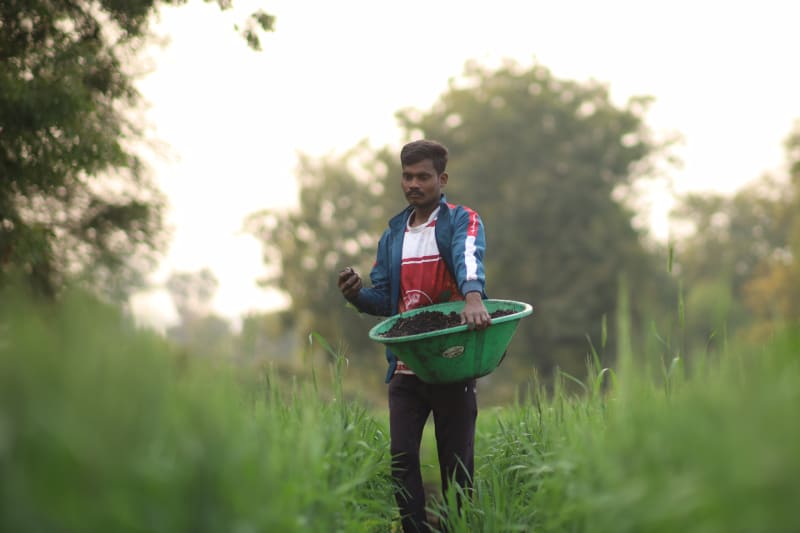
Biochar is a charcoal-like substance that traps carbon in the soil for hundreds of years while enriching farmland. It reduces farmers' dependence on chemical fertilizers and improves crop yields, creating benefits that ripple far beyond climate goals.
Around 40,000 to 45,000 smallholder farmers will participate in the program. Varaha will build 18 industrial reactors across India's cotton-growing region, designed to operate for 15 years and remove more than 2 million tons of carbon dioxide over their lifetime.
The project tackles two problems at once. Open burning of agricultural waste creates seasonal air pollution that blankets communities in toxic smoke. By converting that waste into biochar instead, families breathe cleaner air while their soil gets healthier.
Varaha CEO Madhur Jain says his team's agricultural experience made the difference. More than 30% of their staff has farming backgrounds, helping them design systems that actually work for thousands of small-scale farmers scattered across rural India.
The startup has scaled rapidly, processing 240,000 tons of biomass in 2025 and producing around 56,000 tons of biochar. That's up from just 15,000 to 18,000 tons the previous year. They expect to double that output in 2026.
The Ripple Effect spreads across South Asia. Varaha now works with 150,000 farmers across India, Nepal, and Bangladesh on 20 different projects including regenerative agriculture and agroforestry. These initiatives could sequester about 1 billion tons of carbon dioxide over the next 15 to 40 years.
Digital tracking systems built in-house help Varaha meet Microsoft's strict monitoring requirements. Working with tens of thousands of individual farmers creates far more complexity than Western biochar projects that rely on biomass from single industrial sites, but Varaha's systems make it work.
The first reactor will sit next to Varaha's 52-acre research farm in Maharashtra, where the startup tests biochar application under real farming conditions. Farmers can see the results firsthand before adopting the practices on their own land.
This partnership shows how climate solutions can grow jobs, clean air, enrich soil, and fight global warming simultaneously.
More Images


Based on reporting by TechCrunch
This story was written by BrightWire based on verified news reports.
Spread the positivity! 🌟
Share this good news with someone who needs it


