India's IISc Launches 20 Deeptech Startups Yearly
A 117-year-old science institute in India is turning PhD students into entrepreneurs, launching 20 deeptech startups annually and matching Stanford's faculty entrepreneurship rate. The program has already helped create successful space technology companies and is building a model for turning academic research into real-world solutions.
The Indian Institute of Science is proving that world-changing technology doesn't have to stay locked in laboratories. Through its Foundation for Science Innovation and Development, the prestigious Bangalore campus is now launching 20 deeptech startups every year, transforming cutting-edge research into companies that solve real problems.
The program, formally incorporated in 2020, receives about 400 applications annually. What makes it special is its openness: 45% of accepted startups come from outside IISc, and anyone with science-based innovation can apply.
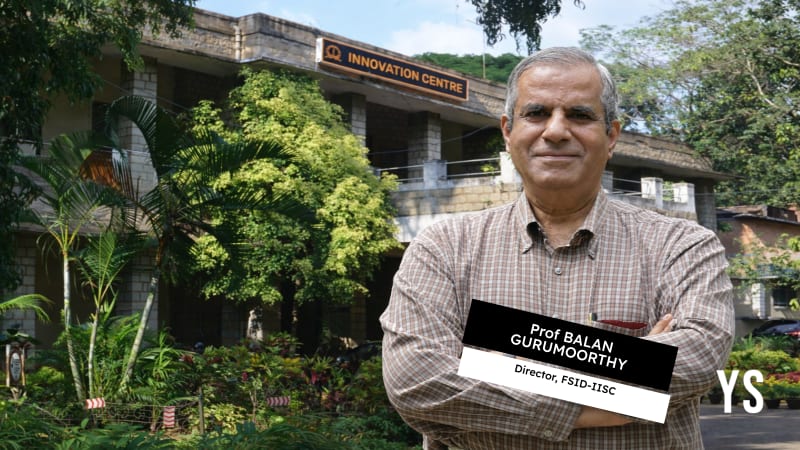
Prof Balan Gurumoorthy, who directs FSID, explains their simple philosophy. "Anything where the offering is based on unique or new science, that is our game," he says.
The institute isn't just providing desk space. Startups get access to laboratory facilities, deep domain experts, mentorship, and funding on IISc's expansive Bangalore campus and its new location in Challakere, 250 kilometers away.
One remarkable shift has happened among the faculty themselves. Fifteen percent of IISc professors are now becoming entrepreneurs, matching the rate at Stanford University in the United States.
The program welcomes startups at any stage. While having a lab-scale proof of concept helps, FSID has accepted companies with just drawing board ideas when faculty members see engineering potential.
Space technology startups like Bellatrix Aerospace and Digantara have emerged from the program. The sector-agnostic approach means any deeptech innovation can find support, as long as IISc has the expertise to help.
Why This Inspires
What's happening at IISc shows a new model for how academic institutions can drive innovation. By actively encouraging PhD students to consider entrepreneurship through their Entrepreneur in Residence program, they're creating a pipeline of highly skilled founders who understand both the science and the business.
The institute brings in industry executives and alumni to mentor startups on the business side. Some mentors have even joined startups as executives or investors after seeing the potential.
IISc's generosity stands out too. Faculty members freely share their time and facilities with these young companies, creating an ecosystem where knowledge flows naturally from research to marketplace.
The program still faces challenges, particularly around funding and finding "champion customers," those large corporations willing to back young deeptech companies. But Gurumoorthy and his team are working to create an early-stage fund and build stronger corporate connections.
For a country building its deeptech ecosystem, IISc is showing that the ingredients for success are straightforward: brilliant people, generous mentorship, and the belief that scientific knowledge should serve the world beyond campus walls.
India's deeptech future is being written in these laboratories, one startup at a time.
More Images



Based on reporting by YourStory India
This story was written by BrightWire based on verified news reports.
Spread the positivity!
Share this good news with someone who needs it