Indigenous Communities Navigate Challenges and Triumphs in a Complex Global Landscape
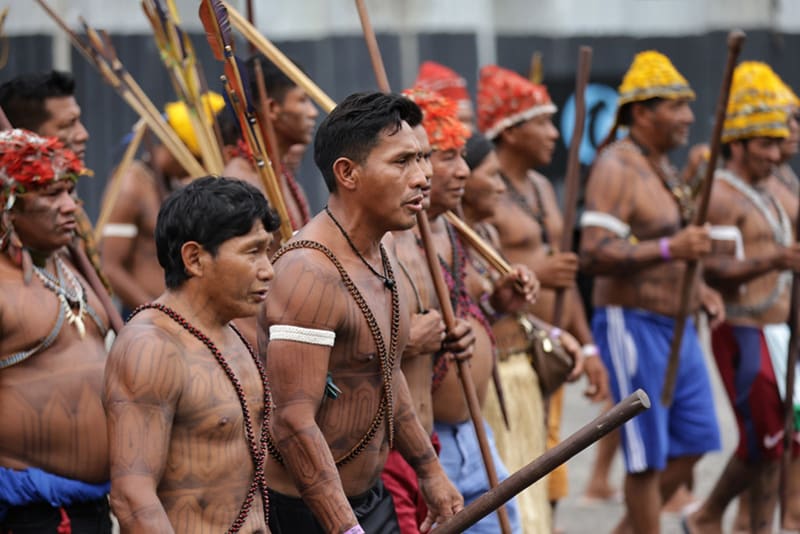
In 2025, Indigenous communities confronted complex global challenges while demonstrating remarkable resilience and innovative environmental protection strategies. From land restoration victories to ongoing struggles against resource extraction, these communities revealed their profound commitment to territorial sovereignty and ecological stewardship.
The year 2025 emerged as a pivotal moment for Indigenous communities worldwide, revealing intricate narratives of resilience, environmental protection, and ongoing struggles for territorial sovereignty.
Significant setbacks emerged early in the year when USAID unexpectedly cut funding, creating substantial strain on community-led conservation efforts in critical regions like Ethiopia and the Amazon Basin. This financial disruption highlighted the persistent challenges faced by Indigenous populations in maintaining their traditional lands and ecological protection strategies.
At the UN Climate Conference COP30 in Brazil, Indigenous representation reached an unprecedented level, yet fundamental issues of meaningful participation remained unresolved. Despite having more delegates than ever before, Indigenous communities continued to report limited involvement in critical decision-making processes that directly impact their territories and environmental futures.
Mining and resource extraction posed significant threats throughout 2025, with numerous projects approved without proper community consent or adequate environmental safeguards. Critical mineral exploration increasingly encroached on Indigenous territories, perpetuating long-standing tensions between economic development and traditional land stewardship.
Some of the most inspiring developments emerged from Indigenous-led initiatives, particularly innovative protection strategies. Women-led Indigenous guard units combined traditional knowledge with modern technologies to defend forests, prevent territorial invasions, and implement sophisticated conservation approaches. These efforts demonstrated remarkable adaptability and strategic thinking in protecting ancestral lands.
Specific regional highlights included a powerful land restoration success in Northern California, where the Yurok Nation reclaimed Blue Creek - a 19,000-hectare watershed critically important for salmon migration. This landmark conservation deal represented the largest land-back agreement in California's history, symbolizing a significant victory for Indigenous territorial rights.
In the Democratic Republic of Congo, armed conflicts triggered by resource competition displaced numerous Indigenous Batwa and Bambuti communities. The M23 rebel group's exploitation of mineral resources like gold, cassiterite, and coltan underscored the complex intersections between environmental destruction, economic interests, and human rights challenges.
Despite numerous obstacles, Indigenous communities worldwide continued to showcase extraordinary resilience, innovative conservation strategies, and an unwavering commitment to protecting their territories, cultures, and ecological heritage.
Based on reporting by Mongabay
This story was written by BrightWire based on verified news reports.
More Good News
 🦸 Heroes
Beyoncé Breaks Billionaire Barrier: A Journey of Musical Mastery and Business Brilliance
 🦸 Heroes
Breaking Free from Entrepreneurial Overwhelm: A Practical Guide to Delegation
 🦸 Heroes
From Struggle to Success: How One High School's Support Launched a Lifelong Journey of Giving Back
Start Your Day With Good News
Join 50,000+ readers who wake up to stories that inspire. Delivered fresh every morning.
No spam, ever. Unsubscribe anytime.