Indigenous Leader Reshaped California Water Rights at 71
Kathy Jefferson Bancroft spent decades protecting Owens Valley's sacred sites and challenging how California manages water, bringing Indigenous knowledge into official policy. Her work proved that tribal voices could transform environmental decisions when persistence meets expertise.
When Kathy Jefferson Bancroft was a baby, her grandmother told her about Owens Lake when it was full, when migrating birds darkened the sky for days. Her grandmother also shared an elder's prediction that seemed impossible: one day the lake would run dry.
It did. Los Angeles built an aqueduct that carried the valley's snowmelt south, leaving behind dust storms and a landscape treated as a technical problem instead of a home.
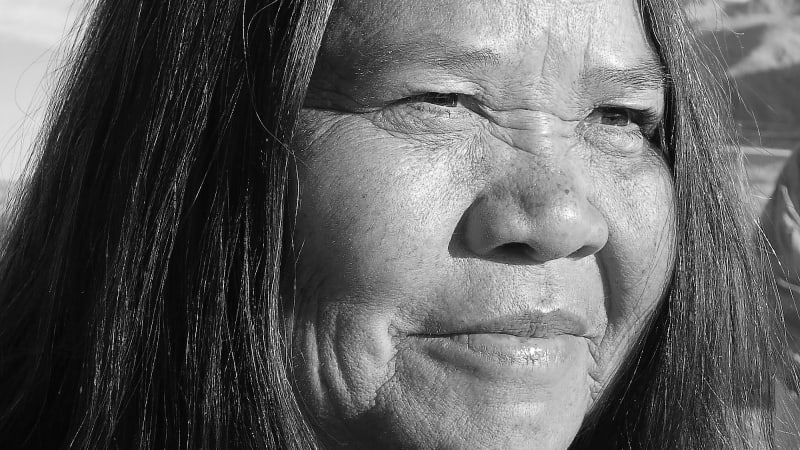
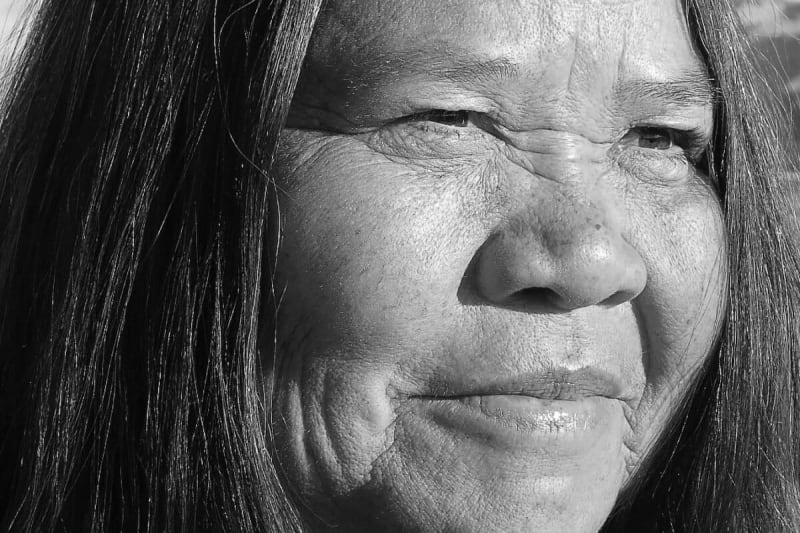
Bancroft, who died January 25 at 71, refused to accept that framing. As Tribal Historic Preservation Officer for the Lone Pine Paiute–Shoshone Tribe, she spent decades insisting that Owens Valley be recognized as a living place with sacred sites, massacre locations, and thousands of years of human memory.
She brought uncommon tools to the fight. With degrees in biology and chemistry, she could speak the language of Western science while never abandoning Indigenous knowledge rooted in generations of observation. She called herself a translator between two systems, building bridges that gave her tribe "a seat at the table."
Her authority was earned through showing up. She worked as a cultural resource monitor on the Owens Lake dust mitigation project, watching every move the Los Angeles Department of Water and Power made on the exposed lakebed. When she raised objections through official channels and crews arrived anyway to begin demolition in an area sacred to her family, she stopped them with a simple command: "Hold on a minute."
The work was suspended. A rally brought together tribal members and townspeople who rarely spoke to each other. The project was canceled.
Bancroft's fights ranged across the valley. She opposed destructive mining at Conglomerate Mesa, challenged dust mitigation schemes that scraped hills for gravel, and pushed agencies to treat tribal consultation as fundamental rather than decorative. She built alliances with Japanese American communities connected to Manzanar, recognizing that one valley can hold multiple stories of displacement.
Why This Inspires
Bancroft's approach never wavered from a simple truth that unsettled bureaucracies: "It's a lake, it's supposed to be a lake." She rejected the idea that water could be managed at will, insisting instead that water carries memory, limits, and consequence.
Her method was remarkably practical. Learn the details, keep notes, and demand that decisions account for longer timescales than project plans. She described her role not as activism but as responsibility, watching over homelands where her ancestors walked on every part of the valley.
She thought in systems and duties. "Nobody has a right to water, it's a water responsibility," she said, reminding officials that water follows its own logic on its own timescale, indifferent to permits and ownership claims.
Her legacy lives in the sacred sites she protected, the mining projects she stopped, and the transformation of how California agencies approach tribal knowledge in environmental decisions.
More Images

Based on reporting by Mongabay
This story was written by BrightWire based on verified news reports.
Spread the positivity!
Share this good news with someone who needs it