Indoor Plants Make Homes 2° Cooler and Filter Air Quality
Scientists just proved houseplants do more than look pretty—they actually cool rooms, boost air quality, and help buildings handle climate stress. A massive international study finally gives us the proof we've been waiting for.
Your fiddle leaf fig might be doing way more than collecting dust on your windowsill.
A groundbreaking study led by the University of Surrey's Global Center for Clean Air Research has proven what plant lovers have long suspected: indoor greenery genuinely improves the spaces where we spend 90% of our lives. The research, published in Building and Environment, brings together 35 experts from six continents to answer ten critical questions about how plants reshape indoor environments.
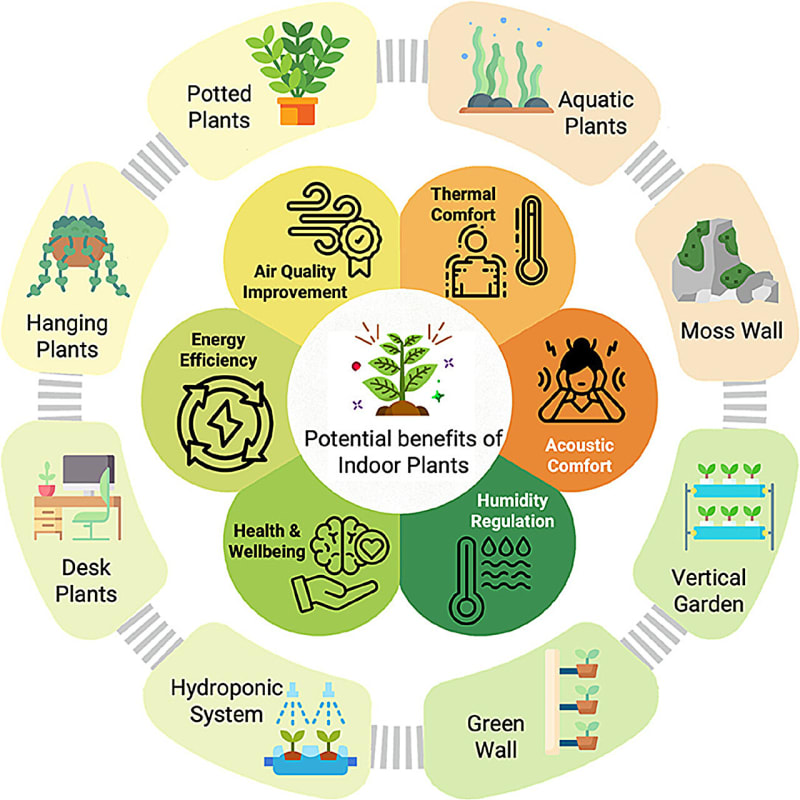
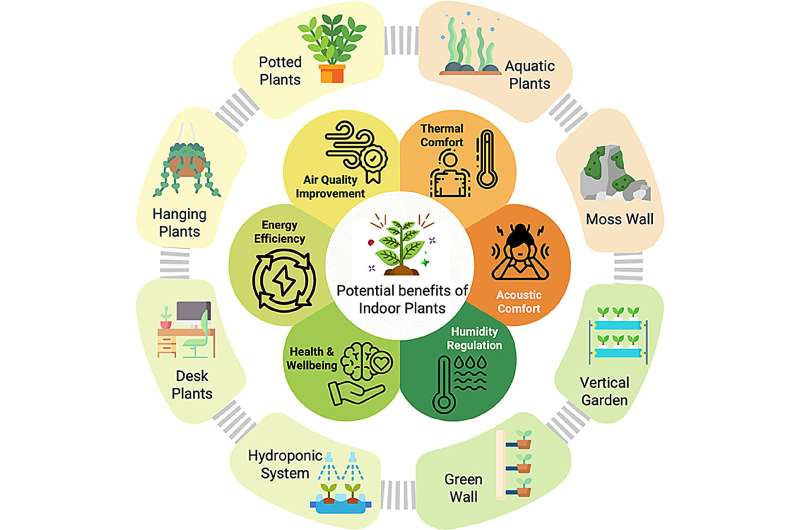
The findings are impressive. Larger indoor greening systems can make rooms feel up to 2 degrees cooler and more comfortable, even when actual temperatures stay the same. Some engineered plant systems successfully reduce fine particulate matter and volatile organic compounds, though effectiveness depends on plant density, lighting, and overall design.
The study represents the first clear comparison of 26 different indoor greening systems, from simple potted plants to sophisticated living walls and hydroponic towers. Researchers developed a 10-question framework examining technical, microbiological, health, socioeconomic, and environmental factors to give designers and building managers concrete guidance on what actually works.
Professor Prashant Kumar, who led the research, emphasizes that these benefits don't happen by accident. "They rely on using the right systems, in the right way, with the right lighting and maintenance," he explains. The key is treating greening as environmental infrastructure rather than decoration.
The research also reveals early evidence that indoor plants may enrich the indoor microbiome by introducing more environmentally derived microbes. This finding opens new doors for understanding how bringing nature inside affects our health in ways we're just beginning to measure.
The Ripple Effect
The implications extend far beyond prettier offices. As climate change intensifies, buildings need to become more resilient while using less energy. Indoor greening offers a natural solution that simultaneously addresses heat, humidity, air pollution, and human wellbeing.
The research team acknowledges significant gaps remain. Many older plant studies used unrealistic numbers of plants in controlled labs that don't reflect real homes or offices. The next crucial step involves long-term studies in actual buildings, accounting for lighting, ventilation, occupancy, and maintenance—the practical realities that determine whether indoor greening succeeds over time.
Dr. Tijana Blanusa highlights the accessibility angle: "Indoor planting is a fantastic way to bring the benefits of plants, and people's interaction with them, into urban homes, schools and any other spaces where nature is not easily accessible."
The research forms part of the GREENIN Micro Network Plus project, uniting universities, local authorities, environmental organizations, and horticultural experts to design indoor spaces for better air quality and comfort in our changing climate. It lays groundwork for future design guidance and policy based on what indoor greening can realistically achieve.
This study transforms houseplants from decorative afterthoughts into scientific allies for healthier, more comfortable living.
More Images


Based on reporting by Phys.org - Earth
This story was written by BrightWire based on verified news reports.
Spread the positivity!
Share this good news with someone who needs it