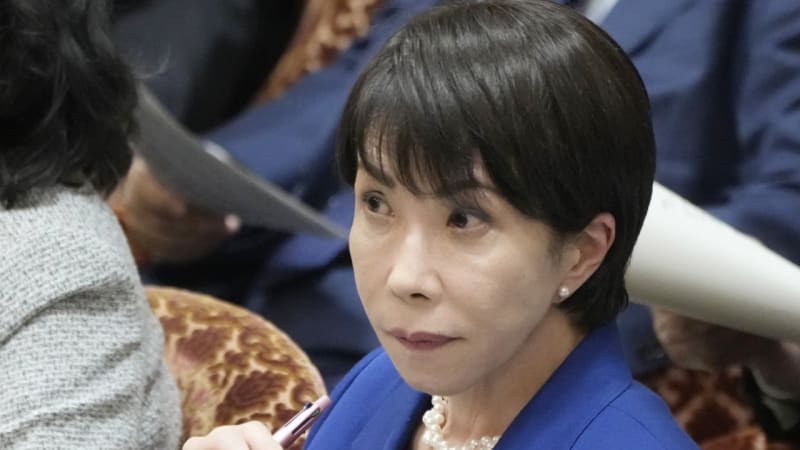
Japanese Women Lawmakers Unite: A Call for Better Facilities in Parliament
Japanese women lawmakers are petitioning for more restroom facilities in parliament, symbolizing the ongoing journey towards gender equality in political spaces. The cross-party initiative highlights both practical challenges and broader systemic changes.
In a powerful display of solidarity, nearly 60 women politicians in Japan are pushing for a simple yet significant change: more restroom facilities in their parliament building.
The petition, spearheaded by prominent lawmakers including Prime Minister Sanae Takaichi, highlights a stark infrastructure challenge facing women in Japanese politics. Currently, the 73 women elected to the lower house of parliament share just one lavatory with two cubicles near the main plenary session hall—a situation that creates significant logistical challenges during legislative sessions.
Yasuko Komiyama from the opposition Constitutional Democratic Party eloquently described the problem, noting that before plenary sessions, women lawmakers frequently form long queues waiting to use the limited restroom facilities. The cross-party appeal, signed by 58 women, was formally submitted to Yasukazu Hamada, who chairs the lower house committee on rules and administration.
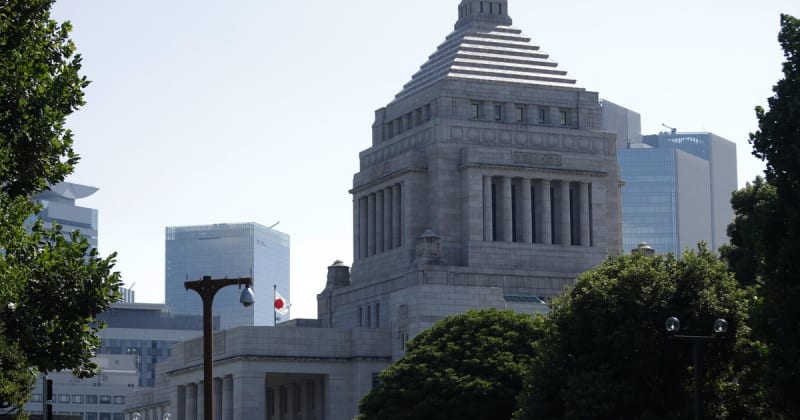
The context of this request is deeply historical. The Diet building, completed in 1936, predates women's suffrage in Japan by nearly a decade. Women did not gain the right to vote until December 1945, following Japan's defeat in World War II. This architectural legacy reflects the long-standing gender imbalances in Japanese political institutions.
Despite recent advances—including Takaichi becoming the first female prime minister in October and increased women's representation in the last election—Japanese politics remains predominantly male-dominated. The restroom petition symbolizes both practical challenges and the broader struggle for equitable representation in government spaces.
By highlighting this issue, these lawmakers are not just requesting more toilets; they are making a statement about inclusivity, respect, and the ongoing evolution of Japan's political landscape.
Based on reporting by South China Morning Post
This story was written by BrightWire based on verified news reports.
More Good News
 💡 Solutions
Japanese Women Lawmakers Unite to Address Parliamentary Bathroom Inequality
 💡 Solutions
Japan's Female Lawmakers Push for Basic Dignity: More Parliamentary Toilets
 💡 Solutions