Jellyfish Reveal Heartwarming Sleep Secrets That Mirror Our Own
Scientists have discovered that jellyfish sleep remarkably like humans—snoozing for about 8 hours daily and even taking afternoon naps! This fascinating finding is helping researchers unlock ancient mysteries about why sleep evolved in the first place, bringing us closer to understanding one of life's most essential functions.
In a delightful discovery that connects us to some of Earth's most ancient creatures, researchers have found that jellyfish share our love of a good night's sleep—and even enjoy midday naps just like many of us do!
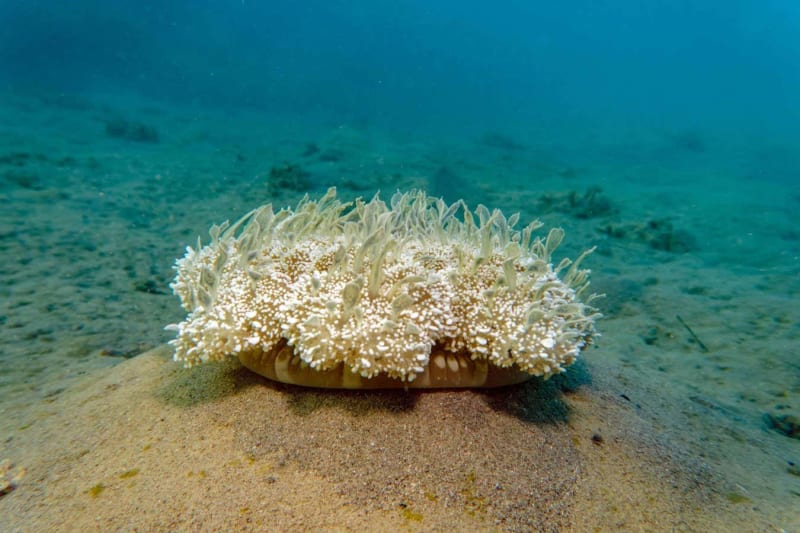
Scientists at Bar-Ilan University in Israel have been observing the charming upside-down jellyfish, Cassiopea andromeda, and what they've learned is truly heartwarming. These graceful marine animals, which rest tentacles-up on shallow seabeds, spend about a third of their day sleeping—roughly 8 hours—mirroring human sleep patterns in a remarkable way.
"It's funny: just like humans, they spend about a third of their time asleep," shares Lior Appelbaum, the lead researcher behind this fascinating study. His team used cameras to observe these jellyfish over 24-hour periods, watching as they responded to simulated day and night cycles.
During their waking hours, the jellyfish pulse their bell-shaped bodies energetically—more than 37 times per minute—and respond quickly to light and food. But when nighttime arrives, they slow down significantly, pulsing less frequently and taking their time to respond to stimuli, clearly enjoying their restful slumber. Even more endearing, these creatures take a short siesta lasting one to two hours around midday!
The discoveries don't stop there. When researchers gently disrupted the jellyfish's nighttime sleep, the animals compensated by sleeping more the following day—exactly what humans do after a restless night. This beautiful parallel shows how deeply connected we are to even the most ancient forms of life on our planet.
What makes this research particularly exciting is what it reveals about the fundamental importance of sleep. The team discovered that DNA damage naturally accumulates in the jellyfish's neurons during waking hours, but sleep appears to repair this damage, keeping their nervous systems healthy and functioning well. When the jellyfish experienced more DNA damage, they wisely responded by sleeping more—showing an intuitive understanding of what their bodies needed.
This groundbreaking research is helping scientists understand why sleep evolved in the first place. Jellyfish belong to a group of animals called cnidarians, where both neurons and sleep are thought to have first appeared in evolutionary history. By studying these graceful creatures, we're literally looking back in time to understand one of life's most essential processes.
The research team even confirmed similar sleep patterns in starlet sea anemones, marking the first time scientists have documented sleep in these creatures. This suggests that sleep may be even more widespread and fundamental to life than previously thought.
These findings remind us of the beautiful interconnectedness of all living things. Whether you're a human settling in for the night or a jellyfish resting on the ocean floor, the need for restorative sleep unites us across hundreds of millions of years of evolution. It's a touching reminder that even the simplest creatures share our most basic needs and rhythms, connecting us all in the grand tapestry of life on Earth.
Based on reporting by New Scientist
This story was written by BrightWire based on verified news reports.
Spread the positivity! 🌟
Share this good news with someone who needs it
More Good News
 ✨ Daily Mix
Heartwarming Card Left at Texas Target Spreads Joy and Inspires Community
 ✨ Daily Mix
Celebrating January 8: A Day of Musical Milestones and Trailblazing Leaders
 ✨ Daily Mix
Robin Williams' 1977 Phone Commercial Shows His Timeless Comedic Genius
Joke of the Day
Why did the librarian get kicked out of class?
Explore Categories
Quote of the Day
"Do not go where the path may lead, go instead where there is no path and leave a trail."
— Ralph Waldo Emerson