Karnataka Leads India in Sustainable Menstrual Health Innovation for Students
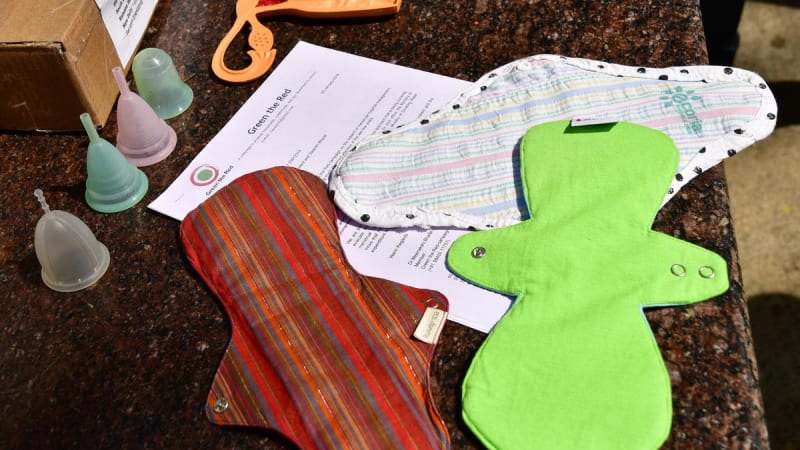
Karnataka is pioneering a thoughtful approach to menstrual health by offering students an eco-friendly choice alongside traditional products. After successful pilot programs, the state is expanding voluntary menstrual cup distribution while ensuring all students continue to have access to the products they prefer.
In a heartening step toward sustainable and inclusive menstrual health education, Karnataka is becoming a trailblazer in offering adolescent girls more choices for managing their periods while caring for the environment.
The state government has announced an expansion of its innovative menstrual cup distribution program, building on the success of pilot initiatives in Chamarajanagar and Dakshina Kannada districts. What makes this approach particularly commendable is its emphasis on choice, education, and environmental responsibility—all while ensuring no student is left without access to menstrual hygiene products.
Under the enhanced Shuchi programme for 2025-26, nearly 20 lakh students from classes 6 through pre-university will continue receiving menstrual hygiene support. The program beautifully balances innovation with comfort, offering menstrual cups as an optional choice for older students in classes 9-12 while maintaining sanitary napkin distribution for all who want them.
The pilot program's success stories are inspiring. Around 15,000 menstrual cups were distributed in the initial phase, with officials carefully gathering feedback about acceptability, comfort, and usage practices. This thoughtful, student-centered approach ensured that the expansion would truly serve young people's needs rather than imposing one-size-fits-all solutions.
"This is about empowerment through choice," a senior official explained, emphasizing that menstrual cups are an additional option, not a replacement. Students in grades 9-12 who choose to try menstrual cups will receive comprehensive orientation sessions on proper usage, cleaning, and storage, ensuring they feel confident and informed.
The environmental benefits are significant and align with growing youth interest in sustainability. A single menstrual cup can be safely reused for up to a year with proper hygiene, dramatically reducing disposable sanitary waste. This shift is expected to save approximately 17 crore rupees while offering young people an opportunity to make environmentally conscious choices during their formative years.
The program demonstrates remarkable fiscal responsibility too, with a total approved expenditure of 61.35 crore rupees covering 1.79 crore units of sanitary napkins and over 10 lakh menstrual cups. Procurement through the Karnataka State Medical Supplies Corporation Limited ensures transparency and quality.
What's particularly encouraging is the government's commitment to listening and learning. Officials have made clear that feedback from this expanded rollout will guide future decisions, with no pressure or compulsion. Students who prefer sanitary napkins will continue receiving one unit monthly, ensuring uninterrupted access for all 19.64 lakh beneficiaries.
Karnataka's approach offers a template for other states considering similar programs. By prioritizing education, voluntary participation, and environmental sustainability while maintaining traditional options, the state is showing that progressive policy can be both practical and compassionate.
This initiative represents more than just menstrual hygiene management—it's about treating young people as capable decision-makers, fostering reproductive health literacy, and nurturing a generation that values both personal wellbeing and environmental stewardship. As Karnataka leads this thoughtful transition, it's creating a brighter, more sustainable future for India's young women.
Based on reporting by The Hindu
This story was written by BrightWire based on verified news reports.
Spread the positivity! 🌟
Share this good news with someone who needs it
More Good News
 💡 Solutions
Revolutionary At-Home Health Kits Bring Essential Screenings to Women Across North Carolina
 💡 Solutions
Breakthrough Filter Keeps Harmful Nanoplastics Out of Our Water
 💡 Solutions
Jigawa State Takes Bold Steps to Ensure Quality Meals for Students
Joke of the Day
Why did the librarian get kicked out of class?
Explore Categories
Quote of the Day
"Do not go where the path may lead, go instead where there is no path and leave a trail."
— Ralph Waldo Emerson