LA Grandkids Preserve Holocaust Stories Before It's Too Late
As only 196,000 Holocaust survivors remain worldwide, a Los Angeles nonprofit is racing against time to preserve their stories through the voices of their grandchildren. "If You Heard What I Heard" creates powerful video interviews that ensure these testimonies of resilience live on forever.
Imagine being the last generation who can say you held your grandmother's hand while she told you how she escaped the Warsaw Ghetto at nine years old, alone and terrified.
That's the reality for grandchildren of Holocaust survivors today. With the number of living survivors dwindling to an estimated 196,000 worldwide, their firsthand accounts are slipping away.
Six years ago, Carolyn Siegel founded "If You Heard What I Heard" in Los Angeles after witnessing an act of antisemitism in her hometown. She realized that as a grandchild of survivors, she carried irreplaceable stories that needed to be shared.
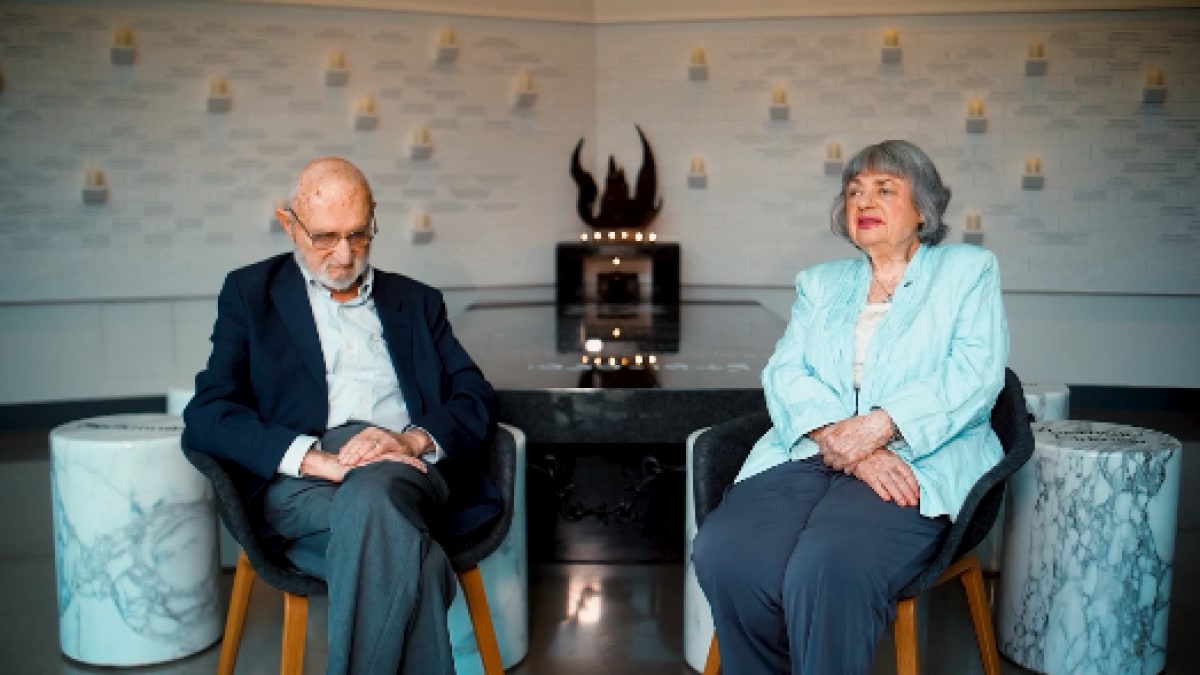
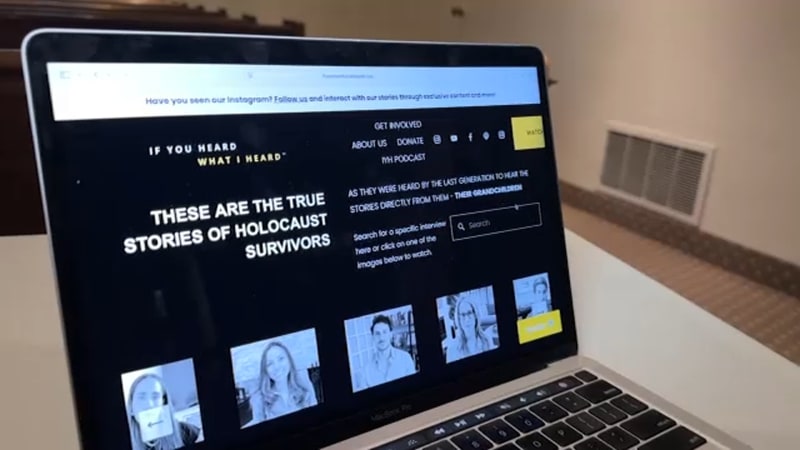
The nonprofit does something beautifully simple yet powerful: Siegel interviews grandchildren of Holocaust survivors, letting them tell the stories they heard directly from their grandparents. These three-hour conversations are edited into 30-minute videos that live permanently online at ifyouheardwhatiheard.com.
Amy Chapman participated after years of watching the numbers tattooed on her grandfather's arm. As a child, she'd ask what they meant, but he couldn't talk about it. The pain of reliving those memories was too great for many survivors to bear.
"It was something so atrocious and so bad that I can imagine why people don't want to talk about it," Chapman said. But hearing her grandmother's story of escaping Germany with a broken leg gave her perspective. If a nine-year-old could survive that, she thought, I can handle my challenges today.
Why This Inspires
Ellie Heisler, another granddaughter who shared her family's story, points out something chilling: "The stories of the Holocaust are so horrifying that it's almost hard to believe. So the more time goes by, people actually think they're fiction."
That's exactly why this work matters now more than ever. These aren't abstract history lessons or statistics in a textbook. They're accounts passed down at kitchen tables, whispered at bedtime, shared through tears and embraces between people who loved each other.
The project bridges divides too. "It shouldn't even be about left and right," Heisler said. "It's about preserving stories, finding a way to share them and having a human connection so that history, in this tragic, tragic way, does not repeat itself."
Every video is a time capsule of memory, a grandmother's courage transformed into her grandchild's voice, ensuring that "never forget" remains more than words.
Based on reporting by Google: survivor story
This story was written by BrightWire based on verified news reports.
Spread the positivity!
Share this good news with someone who needs it