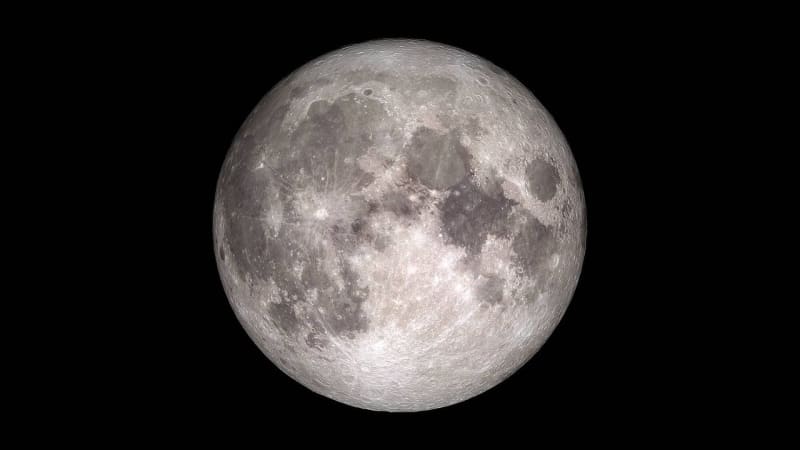
Lunar Gold Rush: How International Collaboration Could Transform Space Exploration
A new era of lunar exploration is dawning, with innovative companies and nations racing to unlock the moon's hidden resources. These pioneering missions could revolutionize energy production and scientific understanding.
The moon is no longer just a distant celestial neighbor—it's becoming a potential economic frontier that could reshape humanity's technological capabilities. As cutting-edge companies and nations develop increasingly sophisticated exploration technologies, lunar resource extraction has transformed from science fiction into a tangible near-future reality.
Innovative startups like Interlune are leading the charge, developing electric lunar excavators capable of processing up to 100 metric tons of lunar soil per hour. Their ambitious plan includes a 2027 mission to confirm helium-3 concentrations, with a pilot plant projected for 2029. This rare isotope could potentially revolutionize clean fusion energy production, representing a massive leap forward in sustainable power generation.
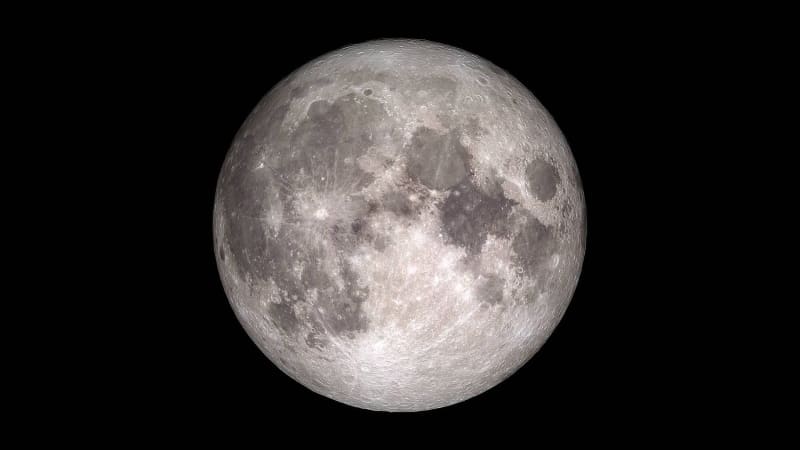
Multiple international players are positioning themselves in this lunar resource race. The United States continues to be a significant driver, with companies like Astrobotic developing advanced lunar landers and rovers. NASA's Prism initiative supports various lunar exploration technologies, while SpaceX's massive Starship rocket promises to dramatically reduce launch costs—potentially cutting expenses to as low as $250-$600 per kilogram.
Global ambitions extend far beyond American shores. China aims to achieve human lunar landings by 2030, with plans for robotic base construction in partnership with Russia. Australia is preparing a 2026 rover mission focused on extracting oxygen and collecting lunar soil, while Japan's space agencies are developing precision landing technologies to target resource-rich areas.
The potential lunar bounty is staggering, including uranium, potassium, phosphorus, water ice, platinum group metals, and the aforementioned helium-3. However, the current international legal framework remains woefully inadequate, still rooted in the 1967 Outer Space Treaty—a document drafted during the Cold War that provides minimal guidance for modern commercial space activities.
European initiatives are also gaining momentum, with the European Space Agency's Argonaut programme developing its first lunar lander. Industrial enterprises across the continent are collaborating to gather critical data about lunar resources and exploration capabilities. These missions represent more than technological achievements; they symbolize humanity's collective potential for collaborative scientific advancement.
As private companies and national space agencies accelerate their lunar exploration efforts, the need for comprehensive international regulations becomes increasingly urgent. The original Outer Space Treaty's principle that space exploration should benefit 'all mankind' remains noble, but lacks concrete mechanisms for equitable resource sharing and commercial development.
The lunar gold rush is here, and it promises to be one of the most exciting technological frontiers of the 21st century. With careful international cooperation and innovative technologies, humanity stands on the brink of a new era of space exploration that could fundamentally transform our understanding of resources, energy, and our place in the cosmos.
Based on reporting by Space.com
This story was written by BrightWire based on verified news reports.
More Good News
 🚀 Innovation
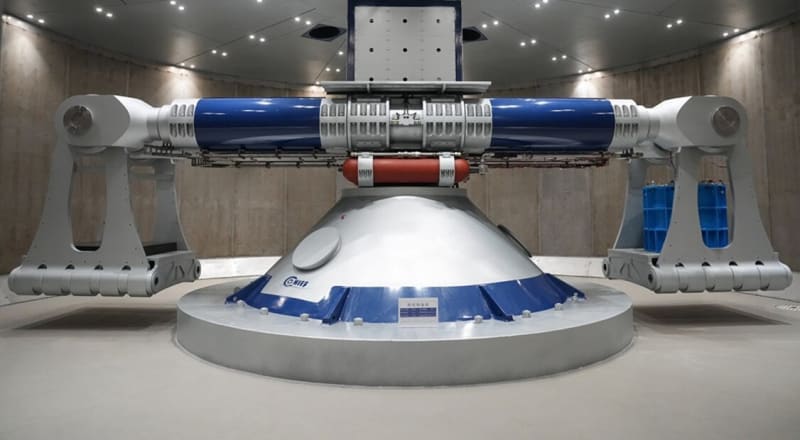
Cutting-Edge Centrifuge Pushes Scientific Boundaries at Chinese University
 🚀 Innovation
Tech Revolution: 5 Cutting-Edge Gadgets Making Pet Care Easier Than Ever
 🚀 Innovation