M-KOPA Nigeria Lends $141M to Informal Workers in 2025
A fintech company just helped one million Nigerians access their first smartphones and loans worth ₦231 billion. For informal workers long ignored by banks, it's changing how they earn a living.
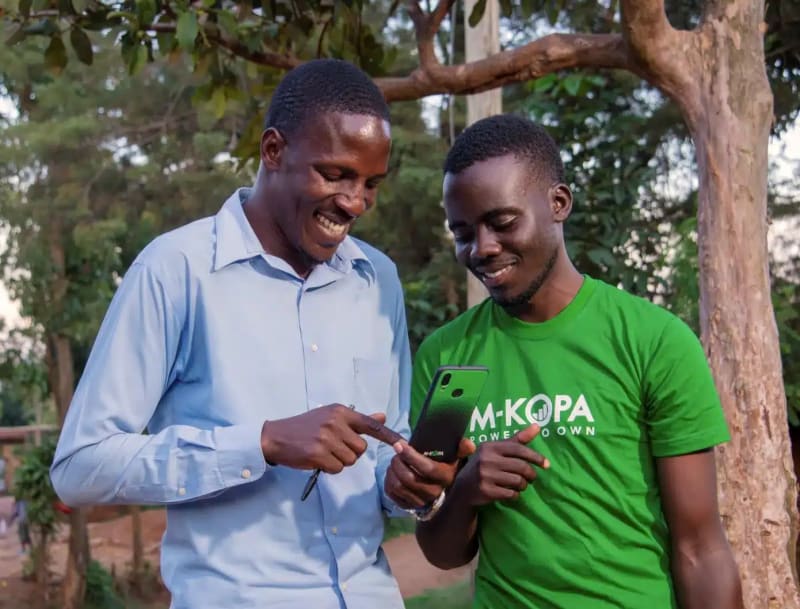
Over 290,000 Nigerians held their first smartphone in 2025, and it wasn't just a phone. It was their ticket to earning income in a digital economy that traditional banks said they weren't worthy of financing.
M-KOPA Nigeria, a fintech company specializing in asset financing, crossed a major milestone last year. The company disbursed more than ₦231 billion (about $141 million) in loans to informal sector workers, reaching over one million customers since launching in 2019.
The numbers tell a powerful story about financial inclusion. Three out of four customers use their M-KOPA smartphones directly to generate income, whether they're traders, gig workers, or small business owners. For people operating outside the formal economy, these devices aren't luxuries but essential work tools.
Traditional banks have long overlooked this demographic, citing high risks in unsecured lending. Nigeria's formal lending penetration sits below 5%, leaving millions without access to credit for productive assets.
M-KOPA fills that gap with a straightforward model. Customers make an initial deposit, then pay daily installments until they own the device. If payments stall, the company retrieves the phone and refunds the deposit, keeping the daily payments already made.
The approach works because it's backed by something tangible. Unlike unsecured loans, the smartphone itself serves as collateral, reducing risk while building credit histories for first-time borrowers.
The Ripple Effect
Beyond individual success stories, M-KOPA's growth signals a broader shift in how financial services can reach underserved communities. The company contributed over ₦2.5 billion in taxes in 2024 alone, suggesting annual revenues exceeding ₦60 billion in Nigeria.
General Manager Babajide Duroshola says the company plans to expand beyond smartphones. Next up: motorcycles for ride-hailing drivers, generators for businesses, appliances for home enterprises, and laptops for gig workers.
The model proves that smartphone repayment data can serve as alternative credit signals, allowing sustainable scaling where traditional credit scores fall short. Other companies are taking notice. FairMoney, a credit-led neobank, recently announced plans to finance phones and motorcycles too.
M-KOPA reached global profitability for the first time in 2025, with revenues hitting $416 million across all markets. Nigeria remains the fastest-growing operation, driven by surging smartphone penetration and growing recognition that mobile devices directly influence earning capacity.
For hundreds of thousands of Nigerians who'd never qualified for a bank loan, 2025 marked the year they finally got their shot at digital entrepreneurship.
Based on reporting by Techpoint Africa
This story was written by BrightWire based on verified news reports.
Spread the positivity!
Share this good news with someone who needs it