Malaysian Town Strikes Gold With $7B Durian Boom
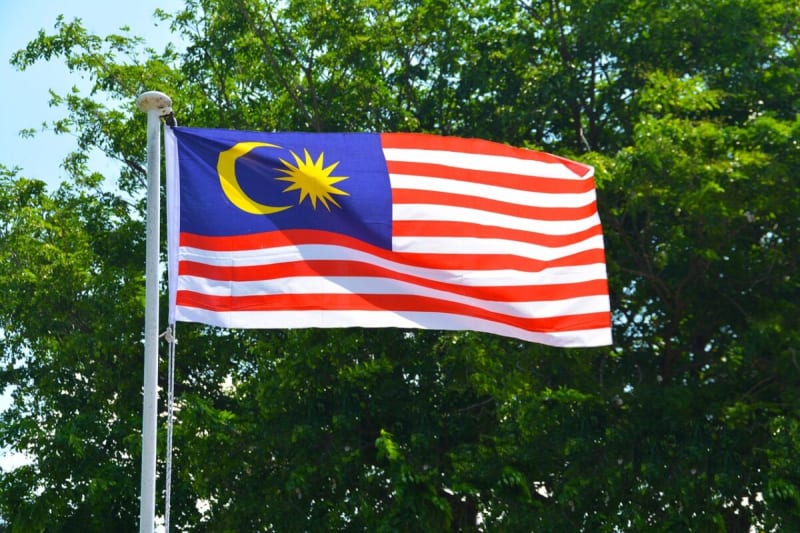
A former gold mining town in Malaysia is cashing in on China's surging appetite for luxury durians, with farmers earning millions and transforming their economy. The "Musang King" variety now sells for up to $100 per fruit, turning rural Raub into a thriving destination for Chinese tourists and traders.
A small Malaysian town that once mined for gold has struck an even sweeter fortune: premium durians that China can't get enough of.
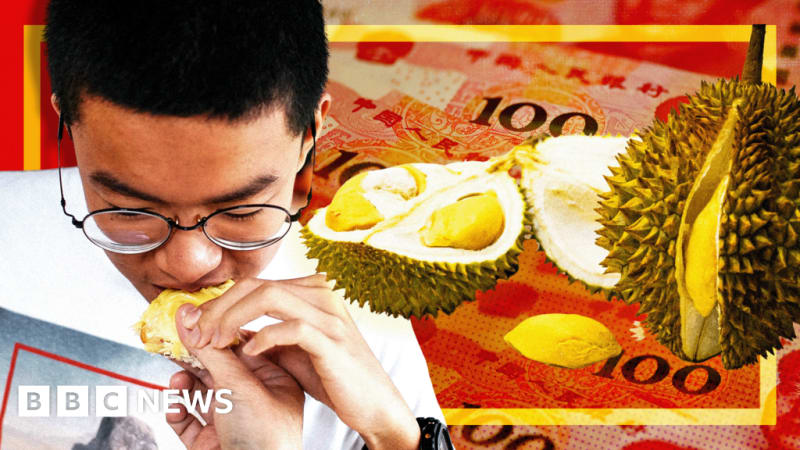
Raub, Malaysia, has transformed into the epicenter of a booming durian industry fueled by Chinese demand that reached a record $7 billion in imports last year. That's triple what China bought in 2020, with more than 90% of the world's durian exports now heading there.
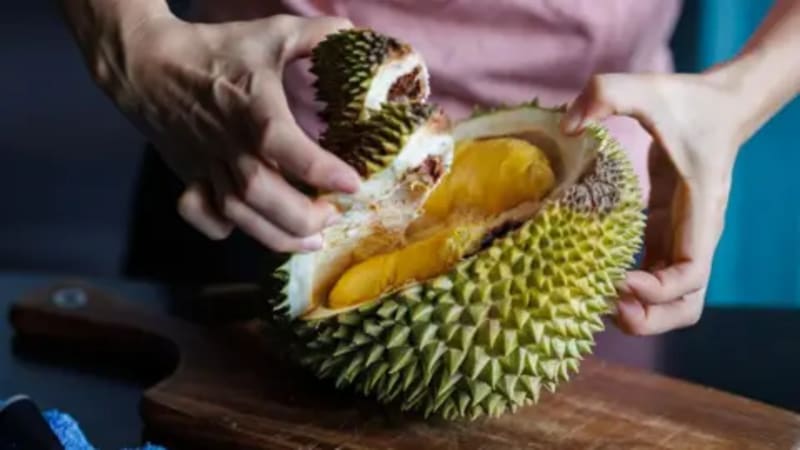
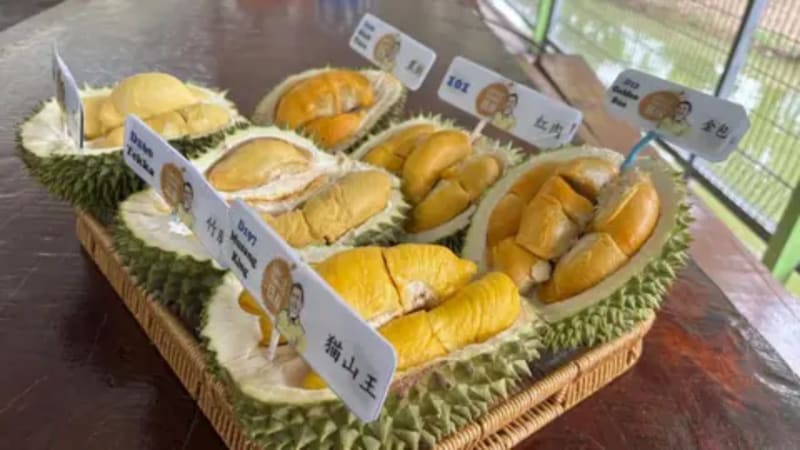
The star of this agricultural renaissance is the Musang King, a buttery, bittersweet variety the Chinese call the "Hermès of durians." While regular durians sell for less than $2 in Southeast Asia, premium Musang Kings fetch anywhere from $14 to $100 depending on quality and season.
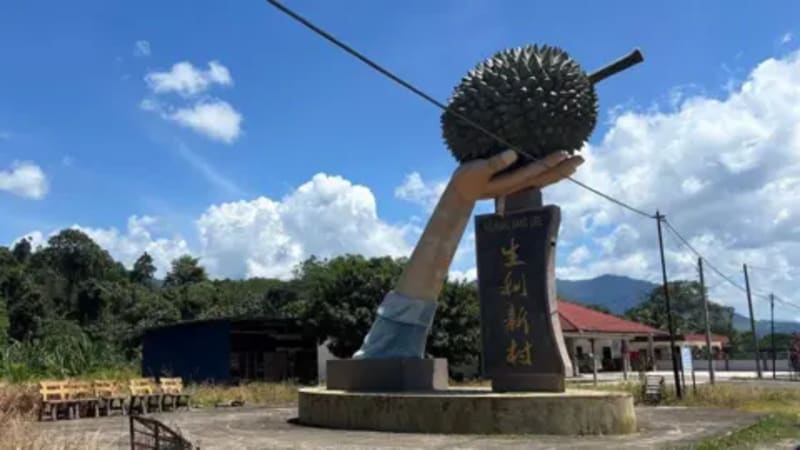
The economic transformation is visible everywhere in Raub. Giant durian sculptures dot the landscape, murals celebrate the spiky fruit, and road signs proudly declare the town as home of the Musang King. Farmers who once chopped down durian trees during the 1990s economic downturn to make room for oil palms are now doing the opposite.
"Even if only 2% of Chinese people want to buy durians, that's more than enough business," says Chee Seng Wong, factory manager of local exporter Fresco Green. His observation reflects the massive market potential that has durian entrepreneurs buzzing with excitement.
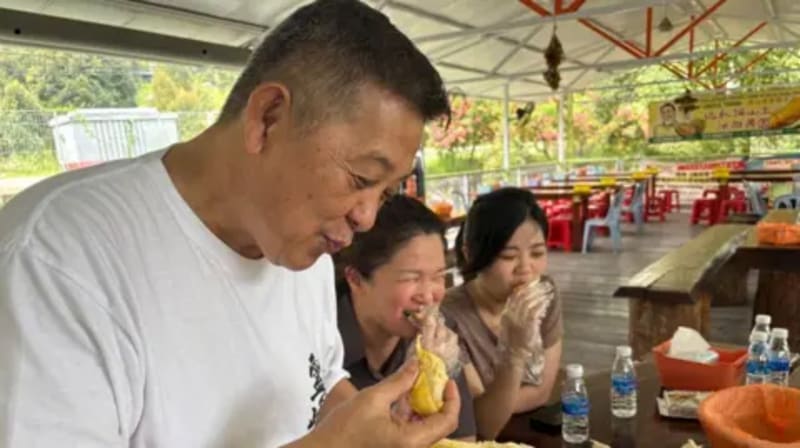
Chinese tour groups now flock to rural Malaysia for tasting experiences, sampling durians carefully arranged from mildest to richest flavors. What started as simple sweetness appreciation has evolved into sophisticated palate preferences, with customers specifically requesting bitter varieties for their complex, almost alcoholic notes.
The durian boom has created family dynasties in Raub. Uncle Thing, 72, owns multiple farms and a durian shop, employing his children in the thriving business. Japanese pickup trucks have replaced rickety jeeps, and Grade AA durians get their own special basket before being flown to China.
The Ripple Effect
The transformation goes beyond individual success stories. Raub's entire economy has shifted, creating jobs in farming, transportation, tourism, and export businesses. Chinese entrepreneur Xu Xin, who sells durians in northeastern China, represents countless traders who've built careers around this fruit rush. Young people are returning to agricultural work as durian farming offers legitimate wealth-building opportunities their parents never imagined.
The cultural exchange is equally remarkable. Chinese tourists are making rural Malaysian towns their destinations, learning about farming traditions and developing sophisticated tastes for regional specialties. Malaysian farmers are mastering quality standards and grading systems that meet international luxury markets.
While farming remains hard work (Uncle Thing still wakes at dawn at 72 and once got injured by a falling durian), the rewards are transforming communities. This isn't just about expensive fruit; it's about rural economies finding global relevance and farmers achieving prosperity through quality and reputation.
As one Chinese exporter put it, "There are so many people who haven't eaten it yet. The market potential is huge." For Raub, that potential means a golden future built on spiky, pungent fruit that the world is learning to love.
More Images
Based on reporting by Google News - Business
This story was written by BrightWire based on verified news reports.
Spread the positivity! 🌟
Share this good news with someone who needs it