Maryland Commission Completes Groundbreaking Six-Year Journey Toward Healing and Truth
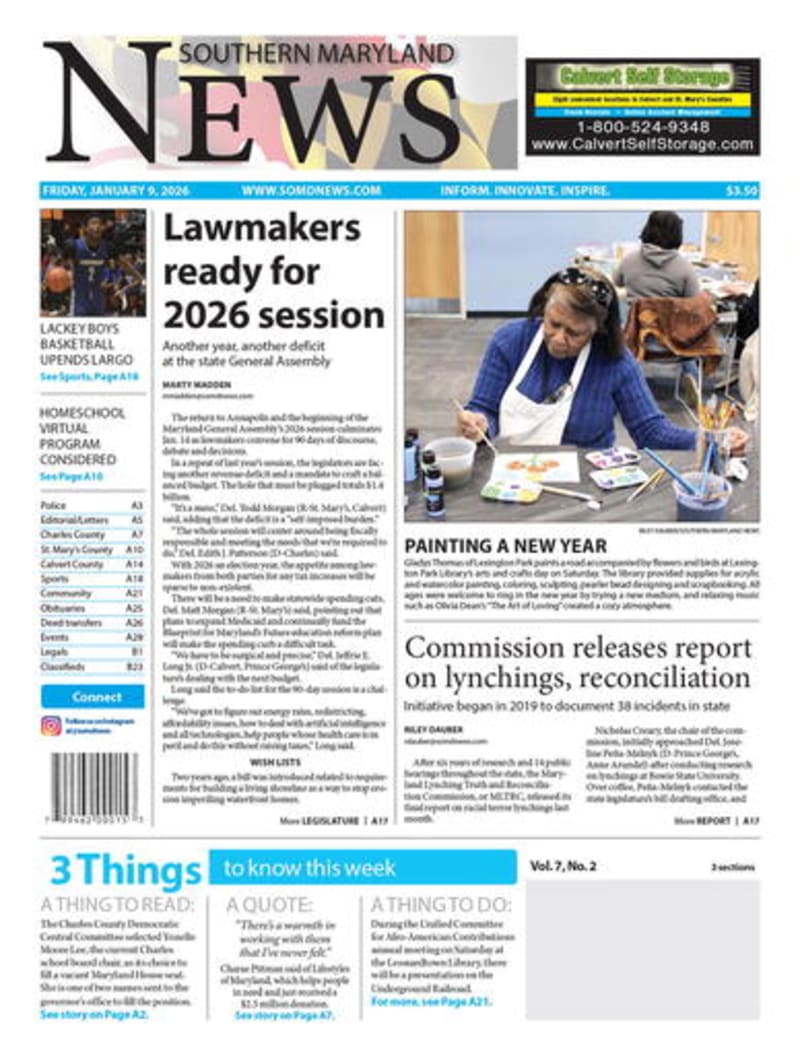
After six years of dedicated research and community engagement, Maryland's Lynching Truth and Reconciliation Commission has released a comprehensive 600-page report that honors victims, educates communities, and charts a path forward through 84 thoughtful recommendations for healing and justice.
In a remarkable demonstration of commitment to truth and community healing, the Maryland Lynching Truth and Reconciliation Commission has completed its six-year mission, releasing a comprehensive final report that marks a significant milestone in the state's journey toward reconciliation.
The commission's work began with a simple coffee meeting between Nicholas Creary, a researcher at Bowie State University, and Del. Joseline Peña-Melnyk, which blossomed into an extraordinary statewide effort. What followed was an inspiring example of community engagement, with 14 public hearings held throughout Maryland, giving voice to stories that had long remained in the shadows.
The resulting 600-page report represents countless hours of careful research and compassionate listening. It documents 38 lynchings that occurred in Maryland between 1854 and 1933, transforming historical silence into acknowledged truth. Among these were Charles Whitley in Calvert County and Benjamin Hance in St. Mary's County, whose stories can now be properly remembered and honored.
What makes this report truly forward-looking is its comprehensive set of 84 recommendations organized into nine thoughtful categories, including education, community healing, mental health support, and public acknowledgement. These recommendations offer practical pathways for communities to address historical wounds while building a more inclusive future.
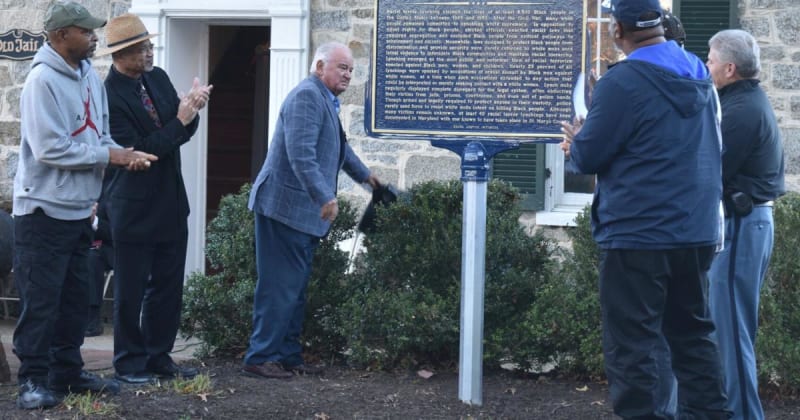
St. Mary's County has already begun this healing work in inspiring ways. In 2019, the Old Jail Museum created an exhibit honoring Benjamin Hance's memory, and in 2021, community leaders unveiled a historic marker in Leonardtown. Karen Stone, the museum division manager, beautifully captured the spirit of this work: "We can't change history by pretending it didn't happen." Instead, the county chose to open doors for deeper understanding and honest conversation.
The commission's recommendations extend beyond monetary considerations to include powerful symbolic gestures like public apologies, educational curriculum development, and memorial installations. Many of these initiatives require minimal financial investment but offer tremendous potential for community transformation and healing.
Importantly, the commission emphasizes training for journalists and media accountability, encouraging diverse perspectives in newsrooms and collaboration with Maryland's historically black colleges and universities. This forward-thinking approach ensures that future generations will have access to more complete and compassionate storytelling.
As the commission prepares to send 13 bills to the General Assembly's January session, Chair Nicholas Creary emphasized the importance of standing firmly for truth and justice, particularly in challenging times. The proposed creation of a permanent agency to continue implementing these recommendations demonstrates Maryland's long-term commitment to this work.
The commission's completion represents not an ending, but a new beginning—a foundation upon which Maryland communities can build greater understanding, acknowledgment, and healing. Through education, honest conversation, and meaningful action, the state is charting a course toward a more inclusive and truthful future that honors all its residents, past and present.
This remarkable six-year journey demonstrates what's possible when communities choose courage over comfort, truth over silence, and healing over forgetting.
More Images

Based on reporting by Google News - Reconciliation
This story was written by BrightWire based on verified news reports.
Spread the positivity! 🌟
Share this good news with someone who needs it
More Good News
 💡 Solutions
Ghana Publishing Company's Inspiring Turnaround Celebrated as Model for Public Sector Success
 💡 Solutions
Hope Flows Forward: Liberian Community's Path to Clean Water Within Reach
 💡 Solutions
Montana's Restorative Justice Program Transforms Young Lives, Cuts Reoffending by 57%
Joke of the Day
Why don't scientists trust atoms?
Explore Categories
Quote of the Day
"The only way to do great work is to love what you do."
— Steve Jobs