
MIT Scientists Lead the Way in Protecting Patient Privacy in AI Healthcare
Researchers at MIT are pioneering new methods to safeguard patient confidentiality as artificial intelligence enters healthcare. Their groundbreaking work establishes practical testing frameworks that will help ensure medical AI systems respect privacy while delivering better patient care.
In an inspiring demonstration of proactive healthcare innovation, scientists at MIT are working to ensure that the promise of artificial intelligence in medicine doesn't come at the cost of patient privacy—one of healthcare's most sacred principles.
The research team, led by postdoctoral researcher Sana Tonekaboni at the Broad Institute and MIT Associate Professor Marzyeh Ghassemi, has developed a comprehensive framework for testing and protecting patient confidentiality as AI systems become increasingly integrated into medical practice. Their work, recently presented at the prestigious 2025 Conference on Neural Information Processing Systems, represents a significant step forward in responsible AI development.
"Knowledge in these high-capacity models can be a resource for many communities," explains Tonekaboni, highlighting the tremendous potential of AI to improve healthcare outcomes. The team's research focuses on ensuring that foundation models trained on electronic health records generalize medical knowledge effectively while maintaining the confidentiality that has been central to medical practice since the Hippocratic Oath.
The researchers have created practical evaluation steps that healthcare organizations can implement before releasing AI models. These innovative tests measure different levels of potential privacy risks and assess what information an attacker would actually need to extract sensitive data. Importantly, the team found that meaningful privacy breaches would require substantial prior knowledge, making unauthorized access far more difficult than previously thought.
Professor Ghassemi emphasizes the practical nature of their approach: "We really tried to emphasize practicality here. If an attacker has to know the date and value of a dozen laboratory tests from your record in order to extract information, there is very little risk of harm."
The research team's nuanced approach distinguishes between different types of information leakage, recognizing that not all data exposure carries equal risk. This sophisticated understanding allows for better protection strategies that focus resources where they matter most—safeguarding truly sensitive medical information while enabling AI systems to deliver their promised benefits.
Looking ahead, the researchers are expanding their interdisciplinary collaboration to include clinicians, privacy experts, and legal professionals. This holistic approach demonstrates how the healthcare community is taking seriously its responsibility to protect patients while embracing technological advancement.
"There's a reason our health data is private," Tonekaboni notes, underscoring the team's commitment to maintaining trust between patients and healthcare providers. The work being done at MIT's Abdul Latif Jameel Clinic for Machine Learning in Health and the Healthy ML group represents exactly the kind of thoughtful, patient-centered research that will ensure AI enhances rather than compromises the doctor-patient relationship.
As healthcare continues its digital transformation, this research provides a roadmap for responsible innovation. By establishing clear testing frameworks and practical evaluation methods, these scientists are helping ensure that artificial intelligence fulfills its tremendous promise to improve medical care while honoring the confidentiality that patients deserve and expect.
The future of healthcare AI looks bright, guided by researchers who understand that technological progress and patient privacy aren't competing values—they're complementary goals that, when pursued together, will lead to better, safer, and more trustworthy medical care for everyone.
Based on reporting by Phys.org - Technology
This story was written by BrightWire based on verified news reports.
Spread the positivity! 🌟
Share this good news with someone who needs it
More Good News
 🧘 Health & Wellness
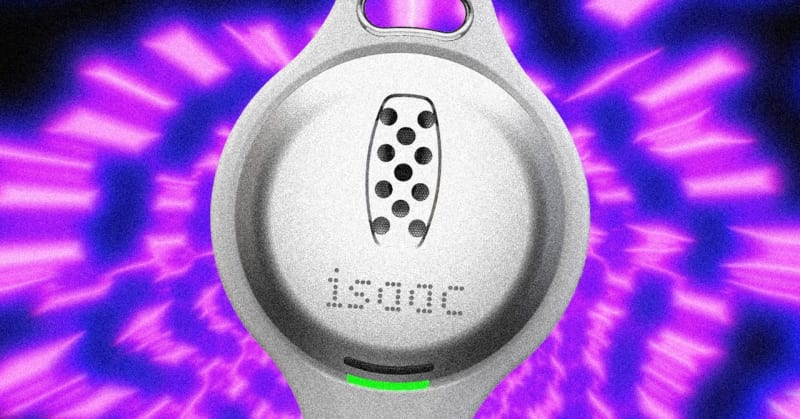
Revolutionary Breath-Based Glucose Monitor Brings Hope to Millions of Diabetics
 🧘 Health & Wellness
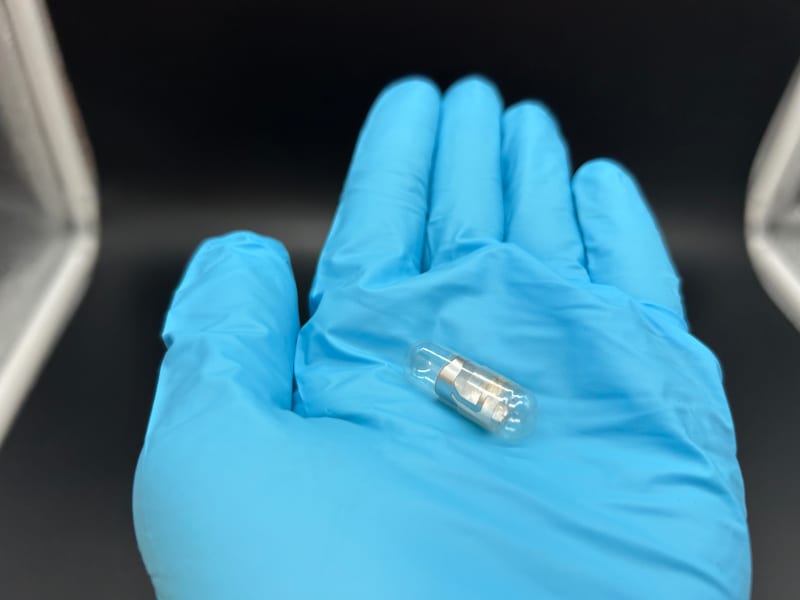
Smart Pill Technology Brings Hope for Better Health Outcomes Worldwide
 🧘 Health & Wellness
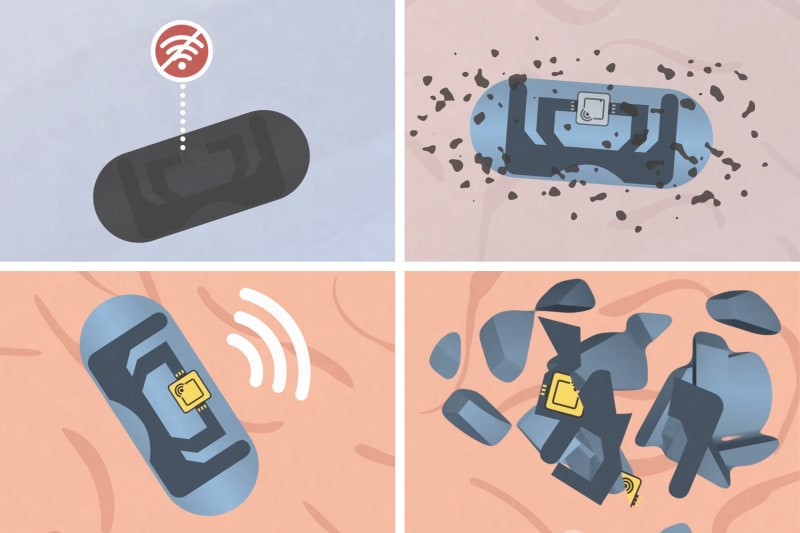
Brilliant New 'Smart Pills' Help Patients Stay Healthy with Better Medication Tracking
Joke of the Day
Why did the librarian get kicked out of class?
Explore Categories
Quote of the Day
"Do not go where the path may lead, go instead where there is no path and leave a trail."
— Ralph Waldo Emerson