Monkeys Intentionally Control Facial Expressions, Groundbreaking Study Reveals
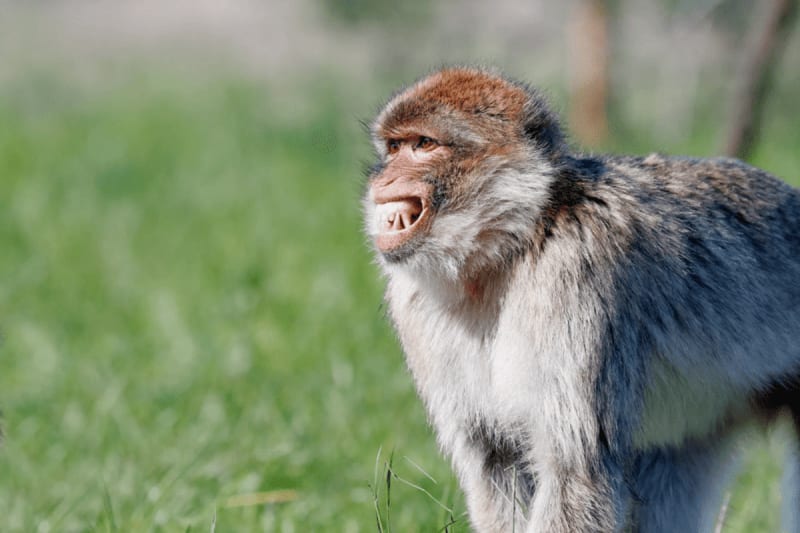
Scientists at the University of Pennsylvania and Rockefeller University have made a fascinating discovery about rhesus macaques: these intelligent primates may deliberately control their facial expressions, much like humans do. This breakthrough research reveals that monkey communication is far more sophisticated and intentional than previously believed.
In a heartwarming revelation about our primate cousins, researchers have discovered that monkeys may be more like us than we ever imagined. A groundbreaking study published in the journal Science shows that rhesus macaques appear to intentionally control their facial expressions, suggesting these clever creatures are actively choosing how to communicate with one another rather than simply reacting on instinct.
Scientists at the University of Pennsylvania and Rockefeller University made this incredible discovery while observing macaques as they socialized with each other and interacted with digital avatars in laboratory settings. By recording neural activity during these interactions, the research team uncovered something truly remarkable: the monkeys' expressions, from threatening displays to friendly lip-smacking gestures, were generated by multiple brain regions working together in harmony.
What makes this finding so exciting is that it challenges decades of conventional thinking. For years, scientists believed that facial expressions were largely automatic emotional responses. However, this new research demonstrates that both the medial cortex and lateral cortex participate in creating all types of facial expressions, working together like a beautifully coordinated orchestra.
Co-lead author Geena Ianni, a neurology resident at the University of Pennsylvania, explains that their findings showed all brain regions participating in producing all kinds of facial expressions. Even more fascinating, these regions operate at different speeds. The lateral cortex shifts quickly, coordinating rapid facial movements for smooth social interaction, while the medial cortex works at a more leisurely pace, tracking contextual factors like whether a dominant monkey has calmed down.
The Bright Side of this discovery extends far beyond understanding monkey behavior. As evolutionary psychologists Bridget Waller and Jamie Whitehouse from Nottingham Trent University in England suggest, if facial expressions are partly voluntary, they may be less like simple emotional mirrors and more like sophisticated tools for social influence. This means macaques, and potentially other primates including humans, have even more control over their social interactions than we realized.
The research also revealed that both neural patterns appear before the actual facial movements occur, suggesting these intelligent animals are planning their expressions in advance. Imagine that: monkeys thinking ahead about how they want to present themselves to others, much like we do when preparing for an important conversation or social situation.
Alan Fridlund, a social and evolutionary psychologist at the University of California, Santa Barbara, finds the results compelling and notes that the study provides invaluable detail about how scientists can investigate the neurology of facial displays. While he suggests future research could benefit from observing monkeys in their natural habitats, the current findings open exciting new doors for understanding primate communication and cognition.
This research beautifully illustrates the complex intelligence of our primate relatives and reminds us that the animal kingdom is full of surprising sophistication. The discovery that macaques may deliberately choose their expressions reveals a depth of emotional and cognitive capability that inspires wonder and deepens our appreciation for these remarkable creatures. It also provides valuable insights that could help us better understand human facial expressions and the intricate dance of social communication that connects us all.
More Images


Based on reporting by Scientific American
This story was written by BrightWire based on verified news reports.
Spread the positivity! 🌟
Share this good news with someone who needs it
More Good News
 Global News
Venezuelans Find Hope and Resilience Amid Dreams of Democratic Future
 Global News
Oxford Dictionary Welcomes 11 Japanese Words, Celebrating Cultural Connection
 Global News
80s Artist Talc Alf Turns Outback SA Desert into Must-See Sculpture Oasis
DAILY MORALE
Why did the dog apply for a job at the bank?
EXPLORE INTEL
MISSION DIRECTIVE
The greatest thing you'll ever learn is just to love and be loved in return.
Moulin Rouge (from the film, popularized by Ewan McGregor)