
Montana Conservation Heroes Free the Prairie: 100 Miles of Fencing Removed!
American Prairie has achieved an incredible milestone in rewilding the Great Plains, removing 100 miles of old barbed wire fencing and freeing wildlife to roam naturally. This remarkable nonprofit has created what could become one of America's largest wild prairie reserves, complete with a thriving bison herd that's grown from just 16 animals to nearly 1,000.
There's something magical happening in Montana, and it's a story that reminds us what's possible when people come together for nature. American Prairie, the largest private land conservation project in the United States, just celebrated a milestone that's been decades in the making—the removal of their 100th mile of derelict barbed wire fencing.
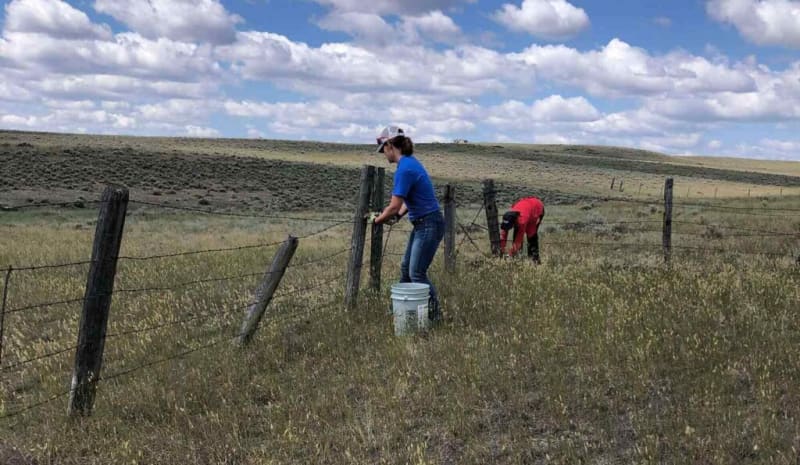
Picture this: 500,000 pounds of rusty, tangled metal that once divided the landscape has been carefully rolled up and removed, giving wildlife the freedom to roam as they did thousands of years ago. It's hard work, but the volunteers, staff, and contractors involved know they're part of something extraordinary.
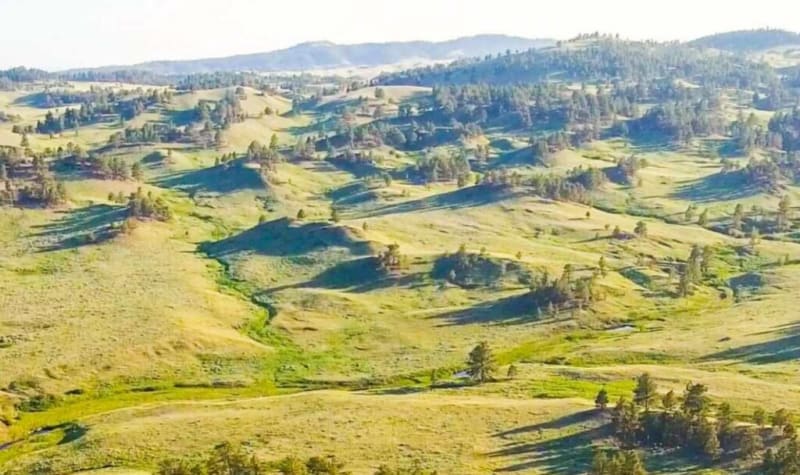
For over twenty years, this dedicated nonprofit has been thoughtfully stitching together a magnificent tapestry of grasslands, water features, and rolling hills between the Charles M. Russel National Wildlife Refuge and Upper Missouri Breaks National Monument. Today, their reserve spans an impressive 603,657 acres—so vast that if it were designated a National Park, it would rank among the ten largest in the Lower 48 states.
The real stars of this story, though, are the animals themselves. Mule deer, elk, and pronghorn now move freely across the landscape, but perhaps the most heartwarming success story belongs to the bison. Starting with just 16 animals, the herd has flourished to 940 individuals roaming across 48,000 acres by the end of 2025. These magnificent creatures, once nearly extinct, are reclaiming their ancestral home.
The team at American Prairie hasn't just been tearing down old fences—they've been thoughtfully replacing them with innovative, wildlife-friendly alternatives. Where fencing is still necessary for management purposes, they've installed solar-powered electric fences that allow wildlife to pass through while gently discouraging bison from rubbing against them during shedding season. Each zone is powered by sustainable solar panels, making this truly a conservation project for the 21st century.
Even the birds benefit from this careful planning. The field team monitors bird-fence collisions and adds special markers in high-traffic areas, reducing collisions by an impressive 70 percent. It's this attention to detail that makes American Prairie's work so inspiring.
The nonprofit's ultimate vision is breathtaking: protecting and rewilding 2.3 million acres of prairie. Considering that the Great North American Prairie has shrunk by over 90 percent, this mission couldn't be more crucial or more hopeful.
What makes this story even more uplifting is how it's funded—entirely through donations, philanthropy, and recreation opportunities like stargazing, hunting, and nature excursions. People from all walks of life are contributing to this vision of wild spaces where nature can thrive.
American Prairie is proving that with dedication, collaboration, and vision, we can restore what was lost and create a future where both wildlife and people can flourish together. They're not just preserving the past—they're creating a wilder, more beautiful future.
More Images
Based on reporting by Good News Network
This story was written by BrightWire based on verified news reports.
Spread the positivity! 🌟
Share this good news with someone who needs it
More Good News
 🌍 Planet Wins
Madurai Citizens Rally Together, Collecting Over 3.5 Tonnes of E-Waste in One Day!
 🌍 Planet Wins
Beijing's Remarkable Clean Air Transformation: A Model for Cities Worldwide
 🌍 Planet Wins
Ocean Conservation Celebrates Major Wins as Marine Protected Areas Grow Worldwide
Joke of the Day
Why did the librarian get kicked out of class?
Explore Categories
Quote of the Day
"Do not go where the path may lead, go instead where there is no path and leave a trail."
— Ralph Waldo Emerson