Morocco's Football Success Built on Family and Strategy
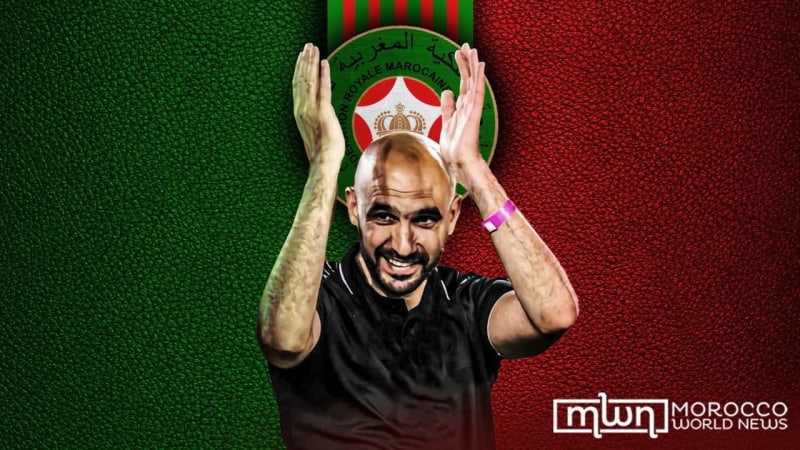
Head coach Walid Regragui turned Morocco into a World Cup semifinalist by building a culture where players bring their families onto the field and dual-national talents feel at home. His approach proves that infrastructure needs heart to create lasting success.
When Morocco reached the 2022 World Cup semifinals, the first African and Arab team ever to get that far, fans worldwide saw more than athletic skill on display.
They saw mothers embracing their sons on the pitch after victories. They saw children running through celebrations with players. They saw a team that felt like family because their coach made it one.
Head coach Walid Regragui inherited strong foundations when he took the job. King Mohammed VI had invested years in youth academies and training facilities to elevate Moroccan football. The infrastructure was ready, but infrastructure alone doesn't win hearts or tournaments.
Regragui added the missing ingredient: belonging. He popularized the concept of "al-niyya," a spirit of sincere belief and good faith that became a shared language between players and supporters. The word is simple enough for children to understand and powerful enough to unite a diaspora spread across continents.
His tactical skills matter too. Before leading the national team, he guided Wydad Athletic Club to continental success with disciplined defending and intelligent transitions. But his real genius shows in how he treats people.
In Qatar, Regragui invited parents onto the field after matches, creating moments that were simultaneously professional and deeply personal. During recent continental competitions, he encouraged players to include their children in celebrations. These weren't photo opportunities but deliberate choices to signal what the team represents.
The Ripple Effect
That family-first approach gives Morocco a competitive advantage in unexpected ways. When dual-national players with Moroccan heritage consider which country to represent, they're choosing between opportunities, but Regragui offers them something more: identity and roots. When young Moroccans at home or abroad watch the team, they see values they recognize from their own families reflected back.
The strategy extends beyond warm feelings. Regragui set clear standards around discipline, humility, and work rate. He made veteran players ambassadors for younger prospects moving through the academy pipeline. Performance, not celebrity, became the currency that mattered.
Morocco's recent quarter-final victory against Cameroon showed how durable these foundations have become. The country now competes consistently among Africa's elite, with eyes on climbing even higher in global rankings.
Other nations are watching. Morocco's model offers lessons that translate beyond football: infrastructure needs culture to deliver results, diaspora communities are bridges worth building, and simple shared values can be more powerful than complex strategies.
There will be losses ahead because every team faces setbacks. But the architecture remains: youth academies feeding a clear pathway, a coach who translates national values into daily practice, and a shared story that makes room for Moroccans wherever they call home.
Walid Regragui gave his country more than World Cup results; he gave them a recognizable way of winning and belonging.
Based on reporting by Morocco World News
This story was written by BrightWire based on verified news reports.
Spread the positivity! 🌟
Share this good news with someone who needs it

