Music Unites Cultures Even When Words Can't Connect Us
New research reveals music doesn't follow the same paths as language or genetics, yet listeners worldwide can still recognize lullabies and dance songs across cultures. From Bad Bunny's Spanish Super Bowl performance to multilingual albums breaking barriers, diverse music proves connection matters more than universal understanding.
Scientists just settled a 200-year debate about music, and the answer might surprise you. While music isn't exactly a "universal language" as poets once claimed, it turns out to be something even better: a bridge that connects us when words fall short.
Researchers analyzing songs from hundreds of cultures discovered something fascinating. Musical traditions don't follow the same patterns as the languages people speak or their genetic histories. Each song tells its own unique story about human culture.
Yet despite these differences, people from completely different backgrounds can recognize certain types of music. Harvard University researchers found that listeners could identify lullabies, dance songs, and healing songs from unfamiliar cultures more often than random chance would predict.
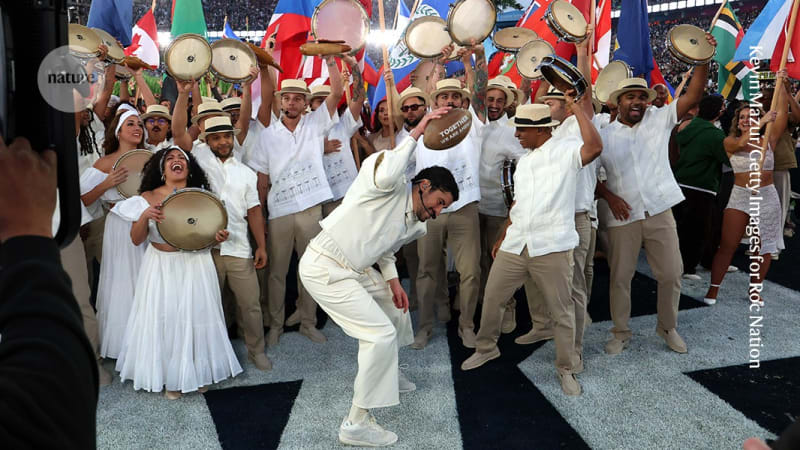
The timing couldn't be better. As AI-generated deepfakes and chatbots flood our digital spaces, real human connection through music is thriving in unexpected ways. Bad Bunny performed entirely in Spanish at the 2026 Super Bowl halftime show, reaching millions of English-speaking viewers. Spanish singer Rosalía recorded an album in 14 different languages.
These aren't just performances. They're proof that understanding every word matters less than feeling the emotion and rhythm that connects us.
The debate started with Charles Darwin, who called music one of humanity's most mysterious abilities. For decades, scholars argued whether music bonds people better than language and whether it's unique to humans. Folk song collector Alan Lomax spent the 1960s rating thousands of songs on 37 features like rhythm and melody, hoping to map human history through music.
His conclusion didn't hold up. Modern genetic studies proved songs travel their own paths, independent of the people who sing them or the languages they use.
Why This Inspires
This research matters because it reframes what brings us together. We don't need a universal language that everyone interprets the same way. We need diverse expressions that let us feel connected even when we don't fully understand.
Music gives us exactly that. A mother in Papua New Guinea and a parent in New York might sing completely different lullabies, but both recognize the soothing quality in each other's songs. That recognition doesn't come from shared words or melodies but from shared human experience.
In an era when technology can mimic human creativity but not human feeling, music reminds us what actually matters. Connection doesn't require perfection or universal agreement. It just requires the willingness to listen and feel together.
From stadium concerts sung in languages we don't speak to traditional songs that challenge Western definitions of music itself, diverse musical traditions are teaching us a valuable lesson. Understanding every detail matters less than opening our hearts to the experience.
In a world that often feels divided, music keeps proving that feeling together is more powerful than thinking alike.
More Images




Based on reporting by Nature News
This story was written by BrightWire based on verified news reports.
Spread the positivity!
Share this good news with someone who needs it