
Mystery Solved: Europe's 'Lost' Ceratopsian Dinosaurs Were Hiding in Plain Sight!
In an exciting paleontological breakthrough, scientists have discovered that ceratopsian dinosaurs—the fascinating horned family that includes Triceratops—were in Europe all along! This remarkable find rewrites what we know about prehistoric life on the continent and solves a mystery that has puzzled researchers for decades.
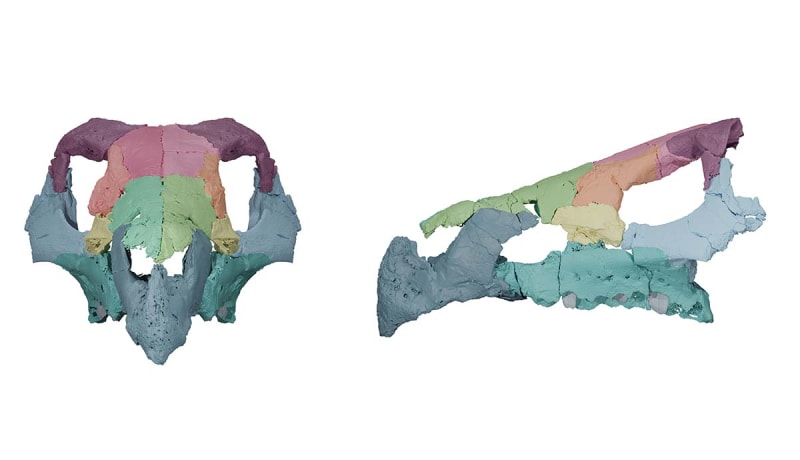
After decades of searching, paleontologists have finally cracked one of Europe's most intriguing dinosaur mysteries, and the answer has been surprisingly close all along. In a groundbreaking study published in the prestigious journal Nature, researchers revealed that ceratopsian dinosaurs—the beloved horned and frilled dinosaurs including the iconic Triceratops—have been present in European fossil records the entire time, just waiting to be properly identified.
This discovery is nothing short of revolutionary for our understanding of prehistoric Europe. While fossils of these magnificent creatures have been found abundantly across North America and Asia, their conspicuous absence from European sites has long puzzled the scientific community. Were they never there? Did something prevent them from reaching the continent? These questions have fueled speculation and debate among paleontologists for generations.
The answer, as lead researcher James Ashworth and his team discovered, is wonderfully simple: we were looking at them without truly seeing them. The fossils that scientists have been examining for years are now being understood in an entirely new light, revealing that ceratopsians were indeed roaming the ancient European landscape alongside other dinosaurs.
This breakthrough represents the best kind of scientific discovery—one that transforms our existing knowledge rather than starting from scratch. The Natural History Museum team's meticulous research demonstrates how fresh perspectives and advanced analytical techniques can unlock secrets hidden within specimens that have been sitting in museum collections, some perhaps for over a century.
What makes this finding particularly exciting is its implications for understanding dinosaur migration, evolution, and distribution across the prehistoric world. The presence of ceratopsians in Europe suggests these creatures were even more widespread and adaptable than previously thought. It paints a richer, more complete picture of the northern hemisphere during the age of dinosaurs, showing an interconnected world where these magnificent animals could thrive across diverse environments.
For Museum scientists and dinosaur enthusiasts worldwide, this discovery opens up thrilling new avenues of research. Questions that seemed unanswerable now have fresh leads to pursue. What species of ceratopsians lived in Europe? How did they differ from their North American and Asian cousins? What can they tell us about the ancient European ecosystem?
The research team's work exemplifies the ongoing wonder of paleontology—there are still major discoveries to be made, and they might be closer than we think. Sometimes the most profound breakthroughs come not from excavating new sites, but from re-examining what we already have with new eyes and improved technology.
This heartening discovery reminds us that science is an ever-evolving journey of discovery, where mysteries can be solved through dedication, collaboration, and innovative thinking. The Natural History Museum continues to be at the forefront of these exciting revelations, with their scientists working tirelessly to reveal more about how dinosaurs looked, lived, and behaved.
For anyone who has ever wondered about the ancient world, this discovery proves that our planet still has countless stories to tell—we just need to know how to listen.
More Images


Based on reporting by Google News - Science
This story was written by BrightWire based on verified news reports.
Spread the positivity! 🌟
Share this good news with someone who needs it
More Good News
 🌍 Planet Wins
Ancient Treasure: 465-Million-Year-Old Fossils Reveal Saudi Arabia's Prehistoric Secrets
 🌍 Planet Wins
Remarkable Namib Beetle Defies Nature by Cooling Down While Running in Desert Heat
 🌍 Planet Wins
Amazing Discovery: Brainless Jellyfish Sleep Just Like Humans Do!
Joke of the Day
Why did the dog apply for a job at the bank?
Explore Categories
Quote of the Day
"The greatest thing you'll ever learn is just to love and be loved in return."
— Moulin Rouge (from the film, popularized by Ewan McGregor)