NASA Chief Reveals Potential Lunar Twist in Space Shuttle Relocation Plans
NASA's new leader, Jared Isaacman, hints at a potential moonship alternative for Houston's space display. The proposed shuttle move faces significant logistical and financial challenges.
The future of space shuttle Discovery's potential journey to Houston just got more intriguing, with NASA's new chief suggesting an unexpected twist in the relocation plans.
NASA Administrator Jared Isaacman has signaled that the controversial proposal to move the historic spacecraft to Texas might result in a completely different vehicle arriving at the Johnson Space Center. Speaking in a CNBC interview on December 27, Isaacman emphasized the critical considerations of budget, safety, and logistics surrounding the potential move.
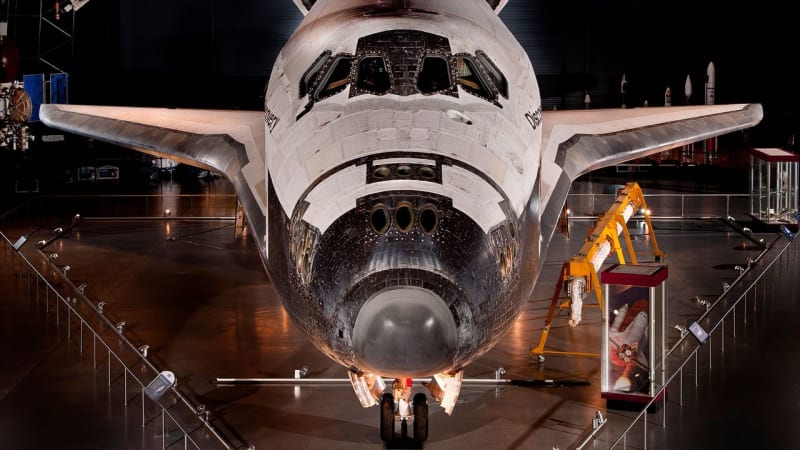
The original plan, championed by Texas Senators Ted Cruz and John Cornyn, was to transfer Discovery - NASA's most-flown orbiter with 39 space missions between 1984 and 2011 - from its current home at the Smithsonian Air and Space Museum's Steven F. Udvar-Hazy Center in Virginia to Houston.
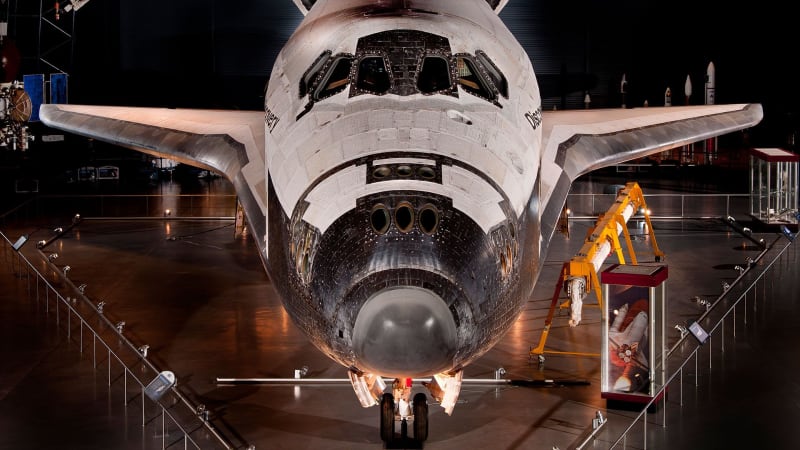
However, multiple challenges complicate this ambitious relocation. The Smithsonian originally received Discovery as an outright gift in 2012, meaning the government would need to reclaim the spacecraft. Additionally, while the One Big Beautiful Bill allocated $85 million for the move, experts estimate the true cost could reach $150 million, considering the complex logistics of transporting the 100-ton, 122-foot-long vehicle.
The physical transportation of Discovery presents another significant hurdle. The shuttle's massive size - with a wingspan of 78 feet - and the retirement of NASA's Shuttle Carrier Aircraft make the move exceptionally challenging. Smithsonian officials have even suggested the spacecraft might require partial disassembly, which could potentially damage this historic artifact.
Isaacman's potential alternative is particularly exciting: instead of moving Discovery, he's considering bringing a lunar-bound Artemis spacecraft to Houston. The NASA chief noted the upcoming Artemis missions - with planned lunar flights in 2026 and a potential moon landing by 2028 - could provide an equally compelling and forward-looking display for the Johnson Space Center.
Currently, NASA's other retired shuttles are strategically positioned across the United States: Atlantis in Florida, Endeavour in California, and the Enterprise test vehicle in New York City. The tragic losses of Challenger and Columbia in 1986 and 2003, respectively, further underscore the historical significance of each remaining spacecraft.
As Isaacman told CNBC, the priority remains ensuring the safety and appropriate preservation of these remarkable machines of human exploration. Whether Discovery remains in Virginia or a new lunar spacecraft finds its home in Houston, the story continues to highlight humanity's ongoing passion for space discovery and innovation.
Based on reporting by Space.com
This story was written by BrightWire based on verified news reports.