NASA's Swift Response Brings ISS Crew-11 Home Safely After Medical Alert
In a remarkable demonstration of space medicine and crew safety protocols, NASA is bringing four astronauts home early from the International Space Station after detecting a medical situation. The crew member is stable, and this pioneering evacuation showcases how far space healthcare has advanced in protecting our explorers beyond Earth.
When NASA Administrator Jared Isaacman announced that Crew-11 would be returning early from the International Space Station, his message was clear and reassuring: crew safety always comes first, and the system worked exactly as it should. This historic decision marks the first time in the ISS's 25-year history that a medical situation has prompted an early crew return, and it's a testament to how seriously NASA takes the wellbeing of every astronaut.
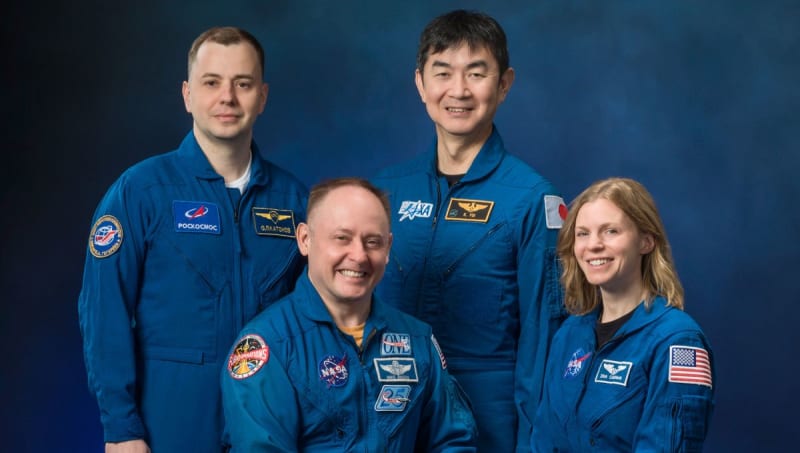
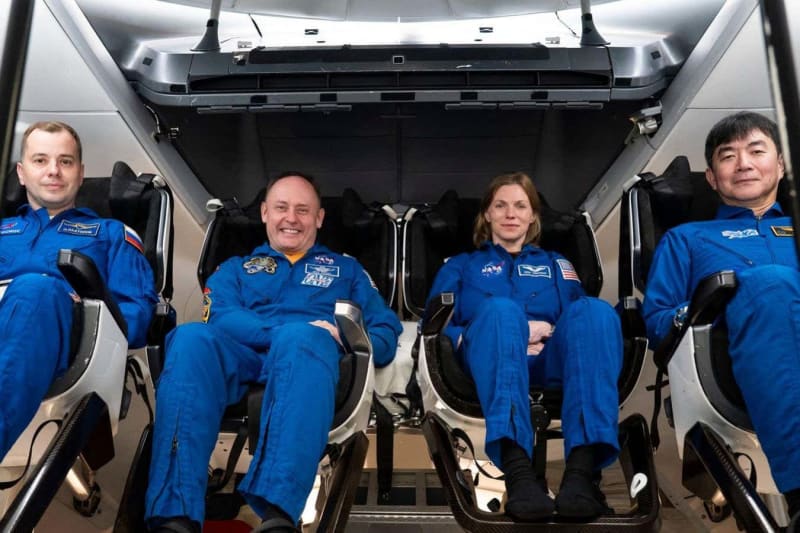
The crew, composed of NASA astronauts Zena Cardman and Michael Fincke, JAXA astronaut Kimiya Yui, and Roscosmos cosmonaut Oleg Platonov, arrived at the ISS on August 1, 2025, for what was planned as a six-month mission. When one crew member experienced an undisclosed medical situation, NASA's extensive monitoring systems detected it immediately. The astronaut is currently stable, and officials emphasized this is not an emergency evacuation but rather a thoughtful, measured response prioritizing long-term health.
"Yesterday, January 7th, a single crew member on board the station experienced a medical situation and is now stable," Isaacman explained during a press conference. His calm, confident tone reflected the professionalism and preparedness that defines modern space exploration. The situation is unrelated to any operational activities or injuries, making this purely about ensuring the best possible medical care.
What's truly inspiring about this development is how it demonstrates the incredible advances in space medicine. The ISS is equipped with sophisticated medical instrumentation, and astronauts receive extensive training in emergency interventions, including performing CPR in microgravity. NASA has even tested holographic doctors and remote-operated surgical robots aboard the station. The fact that medical professionals on the ground can monitor, diagnose, and treat astronauts in real-time from 250 miles away is nothing short of remarkable.
Dr. J.D. Polk, NASA's Chief Health and Medical Officer, explained that while the ISS has impressive capabilities, sometimes a complete medical workup requires the full suite of testing hardware available only on Earth. "The astronaut is absolutely stable," Dr. Polk reassured. "This is not an emergency evacuation. We're not immediately disembarking and getting the astronaut down, but it leaves that lingering risk and lingering question as to what that diagnosis is."
The Bright Side: This situation highlights how far we've come in making space exploration safer and more sustainable. Twenty-five years of continuous human presence aboard the ISS has taught us invaluable lessons about space medicine. In 2019, doctors remotely diagnosed and treated an astronaut with a blood clot, and that crew member completed their mission successfully. Each challenge we face and overcome in space makes us better prepared for future missions to the Moon, Mars, and beyond.
The international cooperation on display is equally heartwarming. Crew-11 represents four different space agencies working seamlessly together, and the decision to bring everyone home demonstrates the solidarity and care that transcends national boundaries in the space community.
NASA associate administrator Amit Kshatriya summed it up perfectly: "Crew safety always remains our highest priority. We never take shortcuts. We never compromise when it comes to protecting our astronauts." That commitment to human life and wellbeing, combined with cutting-edge technology and expertise, ensures that space exploration continues to advance while keeping our brave explorers as safe as possible.
More Images


Based on reporting by Google News - Science
This story was written by BrightWire based on verified news reports.
Spread the positivity! 🌟
Share this good news with someone who needs it
More Good News
 Community Heroes
NASA's Swift Care Brings ISS Astronaut Crew Home Safely After Medical Issue
 Community Heroes
NASA's Historic Artemis II Moon Mission Days From Launch at Kennedy Space Center
 Community Heroes
ISS Astronauts Return Safely After Historic Medical Mission Success
DAILY MORALE
What did the thermometer say to the graduated cylinder?
EXPLORE INTEL
DAILY INSPIRATION
Hope is the thing with feathers that perches in the soul and sings the tune without the words and never stops at all.
Emily Dickinson