New OCD App Shows 65% Success Rate in Mass General Trial
A smartphone app developed at Massachusetts General Hospital is helping people with OCD access effective treatment without the cost, stigma, and scheduling barriers of traditional therapy. In a 12-week trial, 65% of users saw significant symptom reduction, and 91% would recommend it to a friend.
For millions of Americans struggling with obsessive-compulsive disorder, finding affordable, accessible treatment has felt nearly impossible. A new smartphone app called Perspectives is changing that story.
Researchers at Massachusetts General Hospital tested the app with 120 OCD patients over 12 weeks. The results exceeded expectations: 65% of users experienced at least a 25% reduction in symptom severity, compared to just 41% in a control group.
About 8.2 million American adults will experience OCD in their lifetime. The disorder brings recurring, uncontrollable thoughts and repetitive behaviors that can paralyze daily life.
Cognitive behavioral therapy has long been the gold standard treatment, but getting access to it creates obstacle after obstacle. Specialized therapists are scarce even in major cities, where wait lists stretch for months. Private practice sessions can cost hundreds of dollars each.
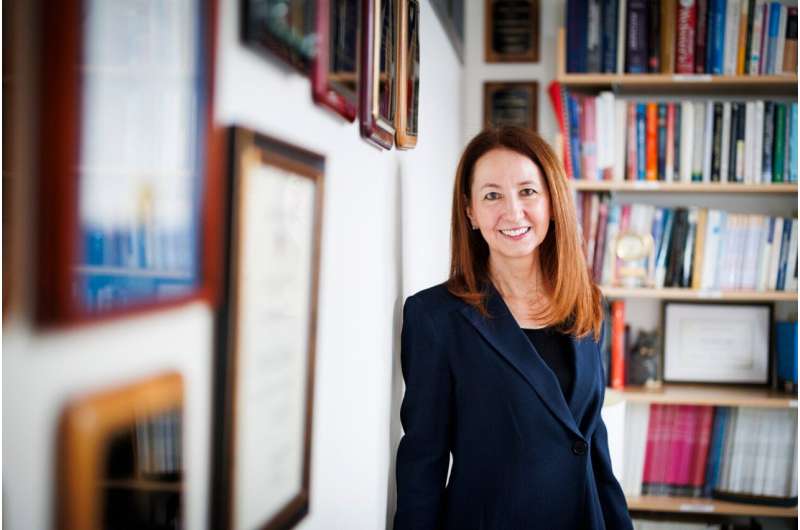
Dr. Sabine Wilhelm, who leads the Center for OCD and Related Disorders at Mass General, saw patients blocked at every turn. Taking time off work for weekly appointments, arranging childcare, finding transportation, and overcoming the stigma of psychiatric care kept people from getting help they desperately needed.
The Perspectives app delivers targeted CBT specifically designed for OCD, with support from coaches who hold bachelor's degrees rather than expensive specialists. Users work through the program on their own schedule, from wherever they feel comfortable.
The Ripple Effect
The numbers tell a powerful story about what happens when treatment becomes truly accessible. Only 5% of app users dropped out of the program, compared to 23% in the control group. That's remarkably low for any digital health intervention.
Patient satisfaction soared even higher than symptom reduction. A striking 91% said they would recommend Perspectives to a friend with similar struggles, compared to just 53% for the general health information program.
Users reported improvements beyond symptom reduction too. Daily functioning got easier. Quality of life scores climbed throughout the 12 weeks.
The app doesn't just deliver information about OCD. It teaches the specific skills that make CBT effective, guiding users through exercises that help them change the thought patterns and behaviors keeping their disorder active.
Wilhelm and her team designed the intervention knowing that targeted, structured therapy works better than general education. The trial proved them right with statistically significant results and moderate to large effect sizes.
The path from research trial to widespread availability still lies ahead, but the foundation looks solid. For people who've felt trapped by a disorder that keeps them isolated and a treatment system that kept them locked out, this app opens a door that stayed closed for too long.
More Images



Based on reporting by Medical Xpress
This story was written by BrightWire based on verified news reports.
Spread the positivity!
Share this good news with someone who needs it