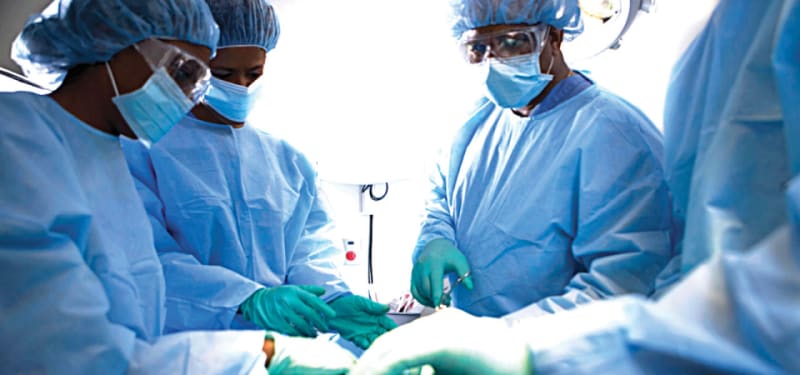
Nigeria Enforces No Work, No Pay for Striking Health Workers
Nigeria's Federal Ministry of Health has directed hospitals to stop salaries for health workers who've been on strike since November 2025. The move aims to maintain critical healthcare services while upholding government employment policy.
Nigeria's government is taking a firm stance to keep hospital doors open during an ongoing healthcare worker strike that began two months ago.
The Federal Ministry of Health and Social Welfare issued a directive on January 8 requiring all federal hospitals to stop paying salaries to members of the Joint Health Sector Unions who walked off the job on November 14, 2025. The policy takes effect this month and applies the government's existing "no work, no pay" rule to the striking workers.
Dr. Abisola Adegoke, Director of Hospital Services, signed the memo instructing hospital leaders to enforce the policy strictly. The directive covers JOHESU members and any other staff who join the industrial action.
The Bright Side
While the strike continues, the government's directive prioritizes patient care above all else. Hospital administrators received clear instructions to keep critical services running, including emergency rooms, labor and delivery wards, and intensive care units.
The ministry authorized hospitals to hire temporary staff to fill gaps and ensure patients receive life-saving care. This approach protects the most vulnerable Nigerians who depend on these essential services, regardless of workplace disputes.
The directive also includes strong protections for healthcare workers who choose to continue serving patients. Hospital management must ensure that staff willing to work can do so safely and without interference, and security measures must protect both patients and employees.
Federal hospitals must now provide regular updates on how the strike affects their operations. This transparency helps the government monitor service delivery and respond quickly to any gaps in patient care.
The policy sends a clear message that healthcare delivery remains the top priority, even during labor disputes. By maintaining emergency services and protecting willing workers, Nigeria is working to ensure that patients don't become casualties of workplace disagreements.
Nigeria's healthcare system continues to serve those who need it most.
More Images



Based on reporting by Punch Nigeria
This story was written by BrightWire based on verified news reports.
Spread the positivity! 🌟
Share this good news with someone who needs it