Nigeria Gives $31K to Fight Social Vices in Schools
Nigeria's presidency just donated 50 million naira ($31,000 USD) to help tackle rising drug abuse, cybercrime, and violence in schools. The funding will power nationwide campaigns to reach students before harmful behaviors take root.
Nigerian students facing threats from drug abuse, cybercrime, and campus violence just got a powerful new ally in their corner.
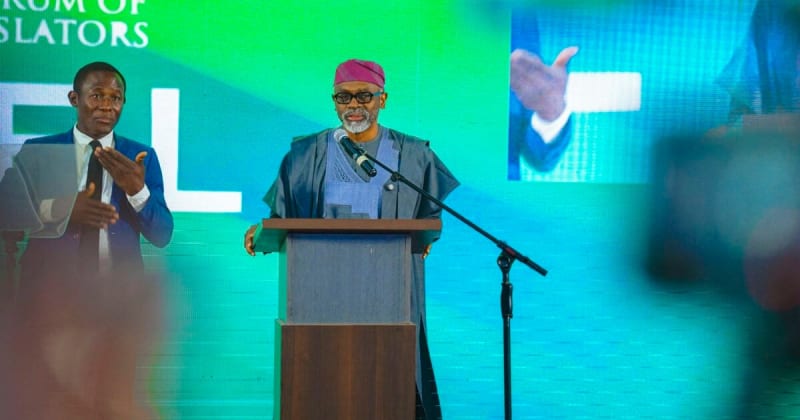
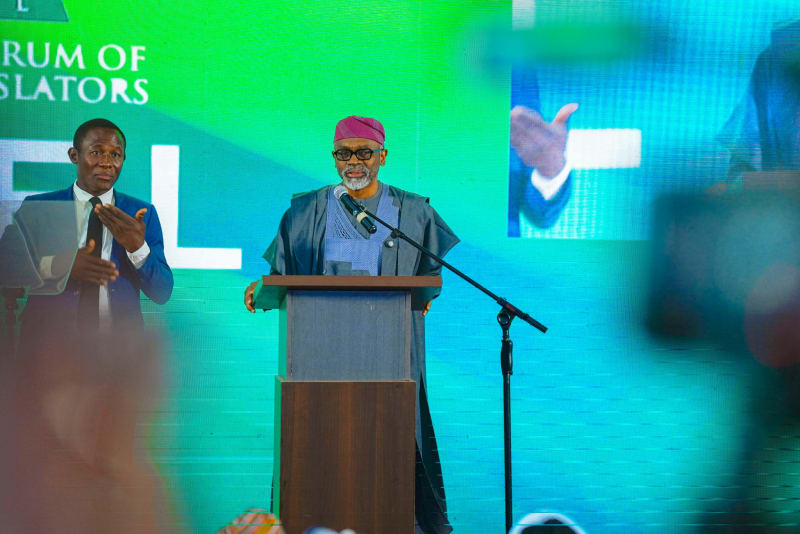
The presidency announced a 50 million naira donation on Thursday to support a nationwide campaign fighting social vices in secondary schools and universities. Chief of Staff Femi Gbajabiamila delivered the news during a meeting with the Special Committee on the Campaign Against Social Vices, calling youth challenges a concern of "near-pandemic proportions."
The funding arrives in two parts, with 25 million naira releasing immediately. It will help the committee expand programs already underway in Edo and Kwara States to more regions across Nigeria.
"We cannot sit back and do nothing and expect this country to grow or develop if we do not start from the foundation," Gbajabiamila said. He warned that without proper youth support, the government's reform efforts aimed at younger generations could crumble.
The committee tackles serious issues plaguing Nigerian campuses: cult violence, drug abuse, sexual misconduct, examination cheating, and cybercrime. Recent years have brought tragic incidents, including cult-related killings and drug overdoses among students that shook parents and educators nationwide.
Professor Jerry Ugokwe, who chairs the committee, explained their approach goes beyond lectures. The team partners with school authorities, security agencies, and religious leaders to create real change through sensitization campaigns and policy recommendations.
Sunday Asefon, Senior Special Assistant to the President on Student Engagement, shared a heartbreaking story that shows why this work matters. A university student recently died from drug intoxication, one tragedy among many that demand coordinated national action.
The Ripple Effect
This investment reaches far beyond immediate campus safety. Gbajabiamila emphasized that raising children takes entire communities working together: parents, teachers, neighbors, religious leaders, and institutions all sharing responsibility.
The presidency plans to amplify the committee's impact by recruiting corporate partnerships through social responsibility programs and exploring budget provisions for sustained funding. A grand national launch at the State House Conference Hall is already in the works.
The Federal Ministry of Education has also stepped up, adding budget provisions for the committee in 2025. Despite limited early resources, the team has already conducted successful programs in two states and is planning major engagements in Abuja.
The committee brings together education authorities, religious leaders, and other key groups in a multi-stakeholder approach designed for lasting cultural change. They focus on moral reorientation alongside practical interventions, recognizing that values matter as much as policies.
Gbajabiamila urged the committee to stay innovative and adapt to changing student realities. He shared how direct school visits in his own experience created positive connections with young people.
Nigeria's youth are getting the message that their futures matter enough for coordinated national action.
More Images



Based on reporting by Punch Nigeria
This story was written by BrightWire based on verified news reports.
Spread the positivity!
Share this good news with someone who needs it