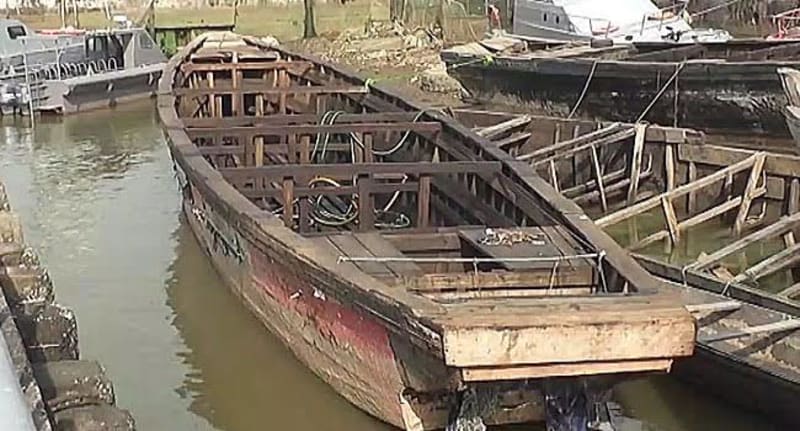
Nigeria Pushes Safer Boats After Fatal Water Accidents
Nigeria is calling for wooden boats to be replaced with modern fiberglass and aluminum vessels after tragic accidents claimed lives on inland waterways. The shift could save countless passengers who rely on water transport daily.
After a string of heartbreaking boat accidents took Nigerian lives, the country's Marine and Blue Economy Ministry is pushing states to ban wooden boats and embrace safer alternatives.
Minister Adegboyega Oyetola announced the urgent call for states to invest in fiberglass and aluminum boats for commercial water transport. The move comes after families across riverine communities mourned loved ones lost to preventable accidents.
The problem is clear. Wooden boats deteriorate quickly when constantly exposed to water, developing dangerous cracks and leaks. They lack stability, capsize easily, and rarely include basic safety features like emergency equipment.
Many operators ignore safety standards and overload aging vessels. When harsh weather hits, poorly maintained wooden boats often collapse, leaving passengers stranded or worse.
Modern fiberglass and aluminum boats offer a proven solution. These vessels resist corrosion, maintain structural integrity longer, and provide better balance on the water. They're easier to maintain and can be equipped with lifesaving safety gear.
The Bright Side
Nigeria isn't just pointing out problems. The Ministry distributed 35,000 life jackets to riverine states in 2025, showing federal commitment to waterway safety.
The government is calling this a partnership moment. Federal interventions need state support to create real change in communities that depend on water transport for daily life.
Oyetola emphasized that passengers also play a role in their safety. He urged travelers to avoid night journeys when visibility drops and always insist on wearing approved life jackets.
The transition from wooden to modern boats represents more than an equipment upgrade. It's about valuing the lives of ordinary Nigerians who commute by water, transport goods to market, and connect their families across rivers and waterways.
With collective action from federal and state governments plus safety-conscious passengers, Nigeria's waterways can become reliably safe for the millions who depend on them.
More Images


Based on reporting by Guardian Nigeria
This story was written by BrightWire based on verified news reports.
Spread the positivity! 🌟
Share this good news with someone who needs it