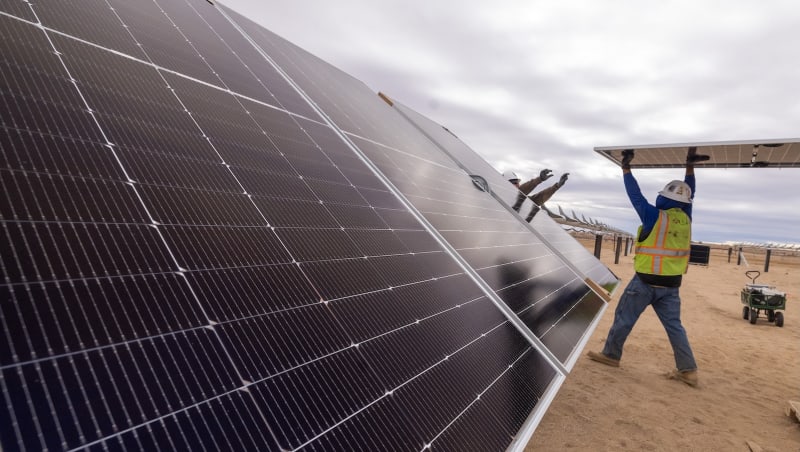
Nigeria Targets 30% Solar-Powered Hospitals by 2027
Nigeria just launched a major plan to bring reliable, renewable electricity to hospitals nationwide, addressing deadly power outages that have disrupted surgeries and endangered lives. By 2027, nearly a third of the country's health facilities will run on clean, uninterrupted solar and gas power.
Imagine needing emergency surgery but the operating room lights keep cutting out, or arriving at a clinic only to find vaccines spoiled because the refrigerator lost power again.
This is the daily reality across Nigeria's health system, where unreliable electricity has endangered patient safety, disrupted critical surgeries, and driven up costs for decades. But that's about to change.
The Nigerian government just inaugurated a 24-member technical committee to power the Nigeria Power for Health Initiative, a nationwide program bringing renewable energy to hospitals and clinics. Minister of State for Health Iziaq Salako announced the ambitious goal: by the end of 2027, at least 30 percent of Nigeria's health facilities will operate on clean, uninterrupted electricity using solar and gas-powered systems.
"Without energy, our health facilities cannot function effectively, from vaccine storage to surgeries and emergency care," Salako explained at Tuesday's launch in Abuja. The stakes are particularly high in operating theaters and labor rooms, where power failures can mean the difference between life and death.
The initiative grew from urgent conversations held just last month, when government agencies, development partners, and private sector leaders gathered to address the crisis. President Bola Tinubu quickly approved their recommendations, recognizing that reliable power isn't a luxury for hospitals but a necessity.
The Power Ministry has already started rolling out solar mini-grids and hybrid energy systems to several health facilities through the World Bank-funded Nigeria Electrification Project. Power Minister Adebayo Adelabu pledged continued support, noting that reliable electricity is fundamental to diagnostics, emergency services, and safe working conditions for healthcare professionals.
The Ripple Effect
This energy transformation will reach far beyond hospital walls. When clinics can reliably refrigerate vaccines, more children get protected from preventable diseases. When maternity wards have consistent power, mothers and newborns face fewer complications during delivery.
Healthcare workers will no longer have to choose between treating patients and managing generator failures. Communities will regain trust in their local health facilities, knowing they can depend on them during emergencies.
The technical committee, co-chaired by Babatunde Ipaye and Owolabi Sunday, will develop the national action plan, review project proposals, and track progress through quarterly reports. Their mandate includes engaging stakeholders and conducting technical analyses to ensure every naira spent creates lasting impact.
Nigeria joins a growing movement across Africa where countries are leapfrogging traditional power grids straight to renewable solutions, proving that cleaner energy can also mean more reliable energy.
By 2027, millions of Nigerians will walk into health facilities knowing the lights will stay on when they need care most.
Based on reporting by AllAfrica - Health
This story was written by BrightWire based on verified news reports.
Spread the positivity! 🌟
Share this good news with someone who needs it