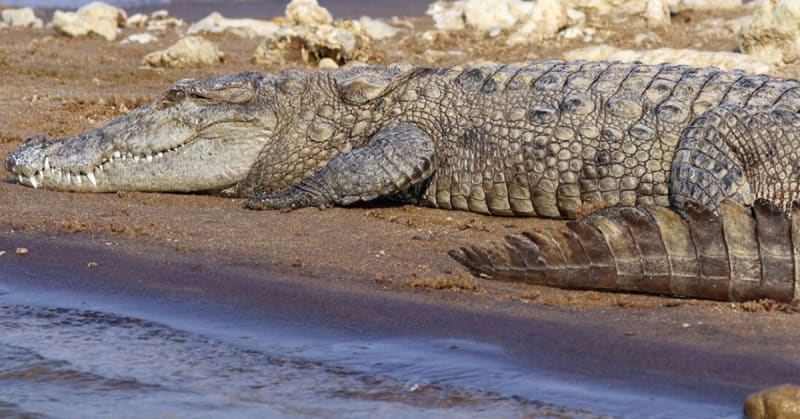
Odisha's Rivers Now Home to 84 Crocodiles After Decline
Ancient mugger crocodiles are making a comeback in India's Similipal National Park after years of decline. The latest census shows 84 crocodiles, up from 81 last year, thanks to breeding programs and habitat protection.
In the winding rivers of Odisha's Similipal National Park, an ancient reptile is quietly reclaiming its home. After two years of declining numbers, mugger crocodiles are bouncing back.
The latest census, conducted in early January 2026, counted 84 crocodiles across the park's waterways. That's three more than last year, and the first increase since 2023 when the population peaked at 86.
Over three days, 100 forest personnel split into 30 teams to survey 20 locations across eight rivers and water bodies. The West Deo River alone hosted about 60 crocodiles, with others scattered throughout the park's north and south divisions.
The count might seem small, but for a species sensitive to pollution and habitat loss, every crocodile matters. Each one signals that the water is cleaner, fish populations are stable, and nesting sites remain undisturbed.
At the heart of this recovery sits the Ramatirtha Mugger Crocodile Breeding Centre. Here, young crocodiles grow strong in protected pools before forest staff release them into rivers like the West Deo, East Deo, Khairi, and Budhabalanga.
Park officials also monitor water quality and limit human disturbance along riverbanks. The annual census helps them spot problems early and adjust their protection strategies.
In 2025, part of Similipal officially became a national park, making it Odisha's largest and India's 107th. This new status brings stronger legal protections for all wildlife, including the park's recovering crocodile population.
The Ripple Effect
The return of mugger crocodiles does more than boost one species. As top predators, crocodiles help balance fish populations and keep river ecosystems healthy.
Their presence also indicates that conservation efforts are working across the board. When crocodiles thrive, it means the entire river system is improving for countless other species that share their habitat.
Local communities have also become partners in protection, reporting sightings and avoiding activities that disturb nesting sites. This cooperation between forest staff and residents makes long-term recovery possible.
Conservationists from the Ramatirtha center continue raising new hatchlings each year, ensuring a steady stream of young crocodiles ready for the wild. This patient, year-after-year commitment is finally paying off in rising numbers.
As these prehistoric survivors glide through Similipal's rivers once again, they remind us that even small gains in conservation matter. With continued protection and care, these ancient reptiles may fully reclaim the waterways they've called home for millennia.
More Images
%2Fenglish-betterindia%2Fmedia%2Fmedia_files%2F2026%2F01%2F16%2Fsimilipal-national-park-crocodile-population-2026-01-16-18-28-49.png)
%2Fenglish-betterindia%2Fmedia%2Fmedia_files%2F2025%2F11%2F20%2Fwild-at-heart-banner-image-microsite-banner-2025-11-20-16-17-04.jpg)
%2Ffilters%3Aformat(webp)%2Fenglish-betterindia%2Fmedia%2Fmedia_files%2F2026%2F01%2F16%2Fsimilipal-national-park-crocodile-population-2026-01-16-18-42-15.png)

Based on reporting by The Better India
This story was written by BrightWire based on verified news reports.
Spread the positivity! 🌟
Share this good news with someone who needs it


