OHSU: Exercise Essential for Seniors Fighting Cancer
A groundbreaking panel of 16 North American experts has released the first-ever exercise guidelines specifically for cancer survivors over 65, shattering the myth that older patients can't handle physical activity during treatment. The recommendations could transform care for the 26 million older cancer survivors expected by 2040.
Cancer survivors over 65 can and should exercise during treatment, according to new guidance that challenges long-held assumptions about what older patients can safely handle.
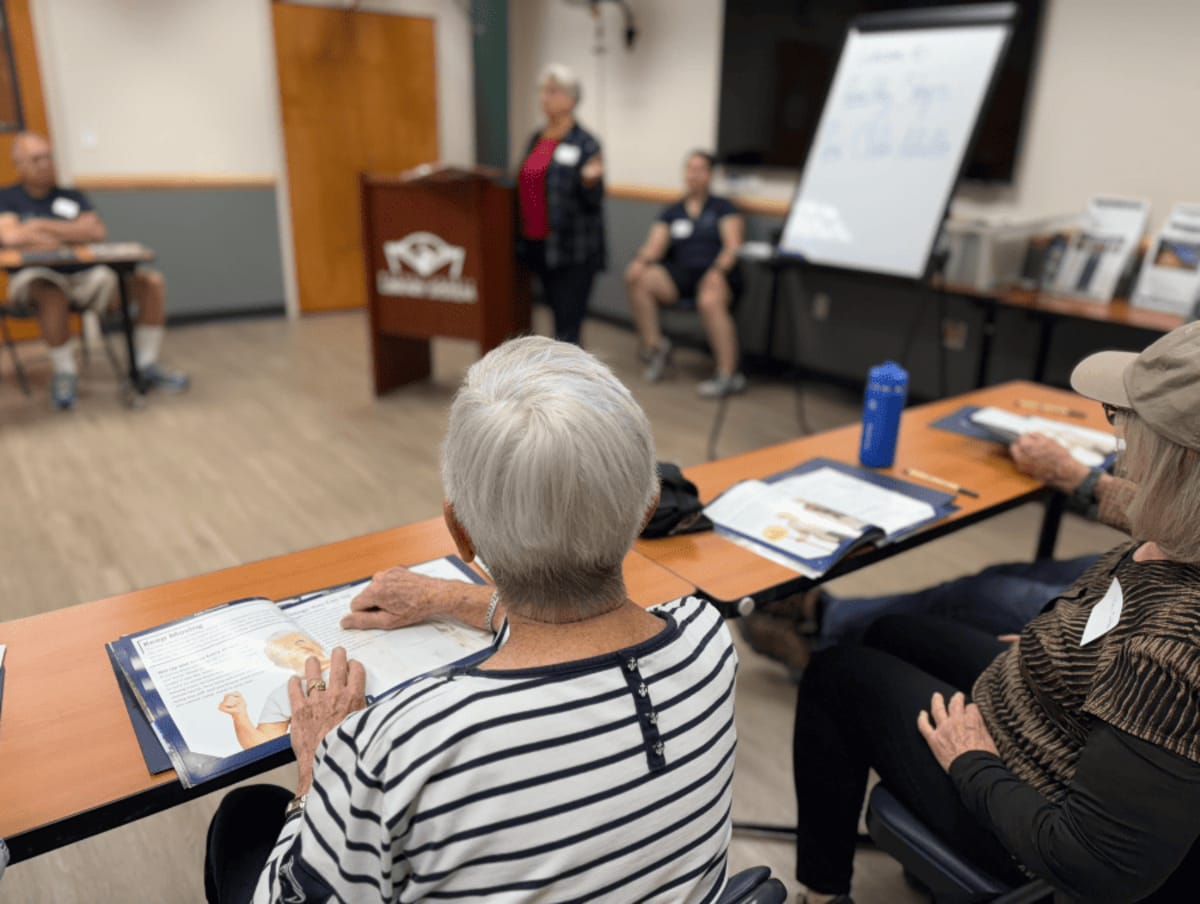
A team of 16 experts from across North America spent a year developing the first exercise recommendations tailored specifically for older cancer survivors. The panel, led by Oregon Health & Science University researchers, included exercise scientists, oncologists, physical therapists, and patient advocates who recognized a critical gap in medical guidance.
"We want to put that myth to bed, that older people can't tolerate exercise during cancer treatment," said Dr. Kerri Winters-Stone, a professor at OHSU's Knight Cancer Institute. "We know that if anything, it's the opposite."
The timing couldn't be more crucial. By 2040, an estimated 26.1 million cancer survivors in the United States will be 65 or older, making up 73% of all cancer survivors. Yet until now, no documented best practices existed for this growing population.
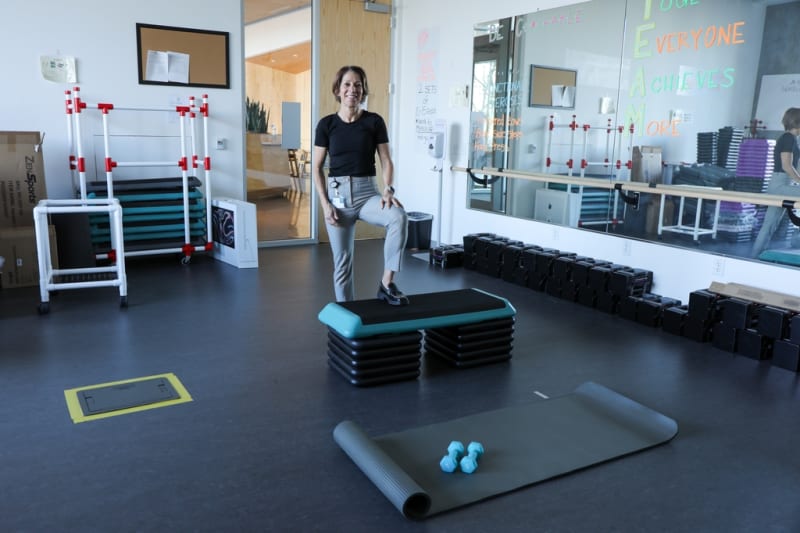
The panel's recommendations align with general guidelines but add critical nuances for older adults. Survivors should aim for 30 minutes of moderate exercise three times weekly, building toward 150 minutes per week plus strength training. The key difference is flexibility: healthcare providers should monitor for fatigue, pain, or dizziness and adjust accordingly, add balance training, and involve caregivers when needed.
For many older cancer survivors, maintaining independence matters more than extending life. Exercise becomes the bridge to staying in their homes, managing their own finances, and continuing daily activities like bathing, dressing, and grocery shopping without help.
"A regular exercise program will increase your chances of being able to do those things much longer," Winters-Stone explained. "Maintaining their basic daily functions allows older survivors to maintain their dignity and quality of life."
The benefits extend beyond quality of life. When older patients maintain physical strength during treatment, they tolerate more aggressive therapies, achieve better clinical outcomes, and often live longer.
Why This Inspires
This research represents a fundamental shift in how we think about aging and illness. Instead of treating older cancer patients as fragile, healthcare providers now have evidence-based tools to help them stay strong, independent, and engaged with life. The panel's work acknowledges what matters most to older adults: not just surviving cancer, but maintaining the ability to live on their own terms for as long as possible.
Perhaps most importantly, the guidelines don't stop when treatment ends. Exercise remains essential whether survivors are cancer-free or living with advanced disease, ensuring they keep their strength and independence through every stage of their journey.
Healthcare providers now have a roadmap to help millions of older Americans fight cancer without sacrificing the daily freedoms that make life worth living.
More Images

Based on reporting by Google News - Cancer Survivor
This story was written by BrightWire based on verified news reports.
Spread the positivity!
Share this good news with someone who needs it