
Pacific Garbage Patch Becomes Thriving Home to 46 Marine Species
In an unexpected turn of events, the Great Pacific Garbage Patch has become a flourishing ecosystem where 46 species of coastal marine life are not just surviving but thriving and reproducing. Scientists studying this phenomenon are witnessing nature's remarkable ability to adapt and create new communities even in the most unlikely places.
Nature has a way of surprising us, and the latest discovery from the middle of the Pacific Ocean is nothing short of extraordinary. The Great Pacific Garbage Patch, long known as an environmental challenge, is revealing an unexpected story of adaptation and resilience as dozens of marine species are building thriving communities on floating plastic debris.
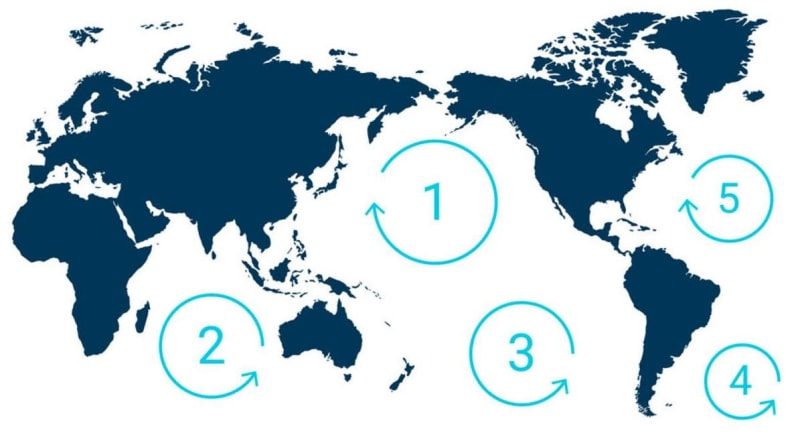
Scientists recently examined 105 pieces of large plastic debris from the North Pacific Subtropical Gyre and found something remarkable. Nearly 98 percent of the items were teeming with marine life. Researchers identified 46 different types of small animals, including barnacles, crabs, amphipods, and anemones, creating vibrant ecosystems on what was once considered mere waste.
What makes this discovery particularly fascinating is that 37 of these species typically live near coastlines, attached to rocks, piers, or the seabed. Now they're flourishing hundreds of miles from shore, demonstrating nature's incredible ability to adapt to new environments. These aren't just hitchhikers riding the currents. They're establishing permanent homes, growing, and raising families.
The animals are reproducing successfully in their new habitat. Scientists observed eggs, various growth stages, and multiple generations living together on the same plastic objects. Ropes and nets have become especially popular homes, their tangled structures providing protection and plenty of space for small communities to flourish.
This phenomenon gained attention following an unexpected event in 2011. After the devastating tsunami in Japan, debris swept into the Pacific carried coastal marine species across thousands of miles of ocean. More than 280 different species survived journeys lasting up to six years, proving that coastal life could endure in the open ocean given the right conditions. Many of these resilient travelers are now among the species thriving in the garbage patch.
The Bright Side
While plastic pollution remains a serious environmental concern requiring continued cleanup efforts, this discovery showcases nature's remarkable resilience and adaptability. The floating debris has created what scientists are calling a new kind of habitat in an environment previously too harsh for coastal life. The open ocean, with no rocks or seafloor to anchor to, was once thought impossible for these creatures to colonize.
The North Pacific Subtropical Gyre's slow-moving currents keep plastic debris in circulation for years, giving these new marine communities stability and time to grow. Unlike natural materials that quickly sink or decompose, plastic's durability, while problematic in many ways, has inadvertently provided lasting surfaces for life to flourish.
This research, published in Nature Ecology & Evolution, opens exciting new questions about marine life's capacity to adapt and the unexpected ways ecosystems can form. It reminds us that even in places we least expect, life finds a way to persist, adapt, and even thrive.
As organizations like The Ocean Cleanup continue their important work addressing plastic pollution, understanding these new ecosystems will help scientists better protect marine life while developing solutions. This discovery doesn't diminish the importance of ocean cleanup efforts, but it does add a fascinating new chapter to our understanding of ocean ecology and the incredible adaptability of life on Earth.
More Images



Based on reporting by Google News - Science
This story was written by BrightWire based on verified news reports.
Spread the positivity! 🌟
Share this good news with someone who needs it
More Good News
 Planet Wins
Scientists Discover Arctic Ocean Could Store 1 Billion Tonnes of CO2 Yearly
 Planet Wins
Delaware Firm's Breakthrough Tech Turns Toxic Superfund Sites Into Safe Spaces Faster
 Planet Wins
Seaweed Farms Capture 7M Tons of CO2 Yearly, Revolutionizing Climate Fight
DAILY MORALE
What did the thermometer say to the graduated cylinder?
EXPLORE INTEL
DAILY INSPIRATION
Hope is the thing with feathers that perches in the soul and sings the tune without the words and never stops at all.
Emily Dickinson