Pacific Leaders Grant Whales Legal Rights as Persons
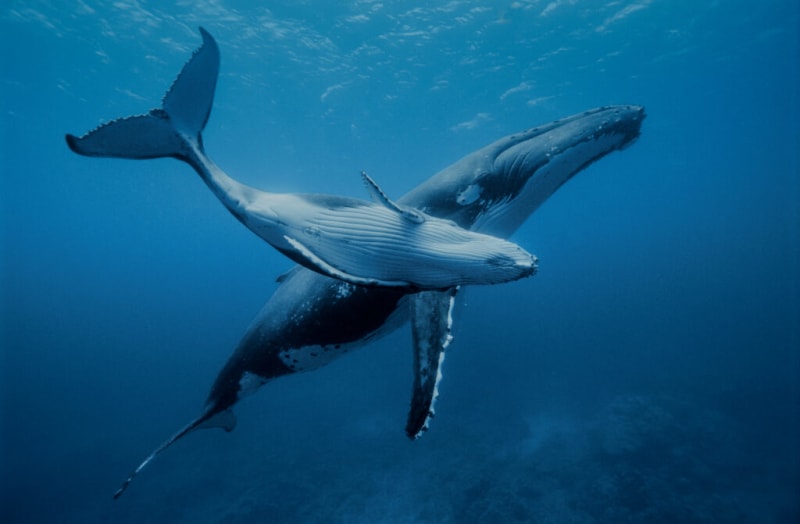
Indigenous leaders across Polynesia just made history by declaring whales legal persons with their own rights. The groundbreaking treaty could reshape how the world protects oceans and honors Indigenous wisdom.
Imagine a world where whales aren't just protected animals, but recognized relatives with legal rights to migrate freely, express their culture, and live in healthy oceans. That world just got closer to reality.
In March 2024, Māori and Polynesian leaders gathered in the Cook Islands to sign He Whakaputanga Moana, a landmark treaty declaring whales as legal persons and ancestral beings. The full text was released this week, revealing a vision that treats these ocean giants not as resources to manage, but as rights-holding ancestors deserving protection and respect.
The declaration grants whales specific rights, including freedom of movement and migration, the ability to develop natural behaviors, cultural expression, a healthy environment, and restoration of their populations. It also establishes a whale protection fund and calls for marine protected areas guided by both Indigenous knowledge and scientific research.
The late Māori King Tūheitia Pōtatau Te Wherowhero VII was among the tribal leaders who signed. These weren't just ceremonial figures, but Indigenous sovereign nation leaders operating from their own legal and cultural traditions, stretching from New Zealand to Hawaii to Rapa Nui.
"We stand united by our shared responsibility to protect whales for generations to come, fulfilling our role as kaitiaki (guardians) of the ocean," the treaty declares. The agreement invites other Polynesian nations and interested parties to join the effort.
The Ripple Effect
This treaty joins a growing global movement recognizing nature's rights. Rivers in New Zealand and India have gained legal personhood. Forests in Ecuador now have constitutional protections. Each victory shows a different path forward beyond traditional conservation approaches.
Daniel Hikuroa, a Māori scholar and Earth systems scientist at the University of Auckland, sees the treaty's power in its Indigenous-led vision. The signatories connected through kinship and shared ancestry, then opened the door for others to join.
The real test comes next: turning vision into action. How will this declaration translate into healthier oceans and thriving whale populations? The treaty offers a roadmap, but implementation will require dedication across nations and cultures.
What makes this moment special is who's leading it. Indigenous peoples have served as ocean guardians for thousands of years, developing deep knowledge of marine ecosystems and relationships with whales. Now their worldview is being codified into law, offering humanity a chance to relate differently to the natural world.
The treaty reminds us that protecting whales means protecting entire ocean ecosystems, and honoring the ancient wisdom that sees humans as part of nature, not separate from it.
Based on reporting by Inside Climate News
This story was written by BrightWire based on verified news reports.
Spread the positivity!
Share this good news with someone who needs it