Perth's 145 Dolphins Tracked for a Decade Show Loyalty
A researcher named after the animal she studies has spent over a decade documenting Perth's coastal dolphins, revealing how they stick to their social groups, adapt their diets with the seasons, and raise their young. The findings are helping protect these resilient marine mammals and inspiring citizen scientists to join the effort.
Dr. Delphine Chabanne's parents named her after dolphins, and she's spent her career proving they made the right choice.
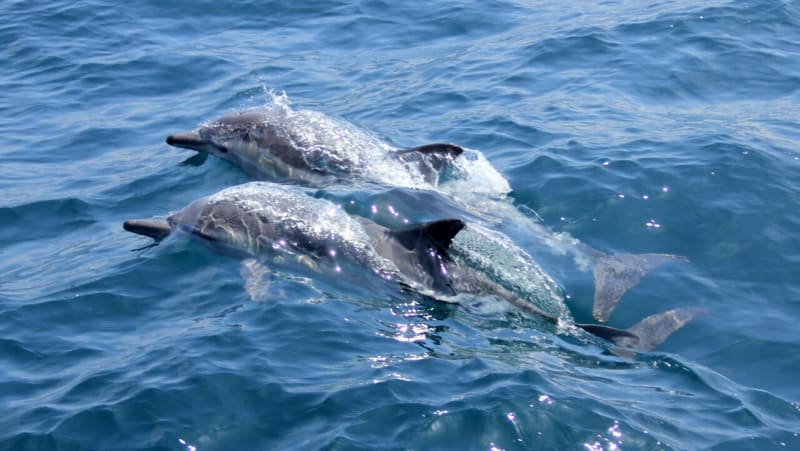
For more than a decade, the Murdoch University researcher has been studying Perth's two distinct dolphin communities in Western Australia's Swan-Canning Rivers and Cockburn Sound. About 120 Indo-Pacific bottlenose dolphins call Cockburn Sound home, while 25 more live in the Swan-Canning estuary.
What she's discovered shows just how smart and adaptable these marine mammals really are. Perth's dolphins eat seasonally, feasting on mullet during summer months and switching to cuttlefish and octopus when winter arrives. Since they can't chew octopus easily despite having teeth, they toss it into the air to break it into bite-sized pieces before swallowing.
The dolphins also show remarkable loyalty to their groups. While they occasionally interact with dolphins from neighboring communities for mating, they rarely switch homes permanently. One exception is a dolphin named Hugs, who was born in Owen Anchorage but moved to the Swan-Canning estuary after having her first calf in 2021.
Dr. Chabanne and her team of citizen scientist volunteers identify individual dolphins by photographing their dorsal fins. Each dolphin is born with a smooth fin, but over time they develop unique nicks, scars and notches that work like fingerprints. The team has published a "Finbook" online since 2011 to help people identify local dolphins.
The research reveals how resilient these animals are. Dolphins can survive shark bites unless they're struck on their softer bellies where vital organs are located. Females live about 40 years while males reach 35, and mothers dedicate three to five years teaching their calves essential survival skills after a 12-month pregnancy.
The Ripple Effect
Dr. Chabanne's work is doing more than just documenting dolphin behavior. Her presentations to students through Western Australia's Thinking Blue education program are inspiring the next generation of marine conservationists. Citizen scientists who join her boat surveys are learning how to protect these animals by keeping waterways clean, disposing of fishing gear properly, and slowing down boats in dolphin habitats.
The research has also identified real threats that communities can address. Fishing lines and nets pose the biggest danger, especially to calves who have thinner blubber and less awareness of their surroundings. Boat strikes and underwater noise pollution also disturb their behavior since dolphins rely on echolocation to navigate and find food.
This decade of patient observation is creating a roadmap for coexistence. Every photograph cataloged, every behavior documented, and every volunteer trained adds up to better protection for Perth's dolphins and cleaner waterways for everyone who calls this coast home.
More Images

Based on reporting by Phys.org
This story was written by BrightWire based on verified news reports.
Spread the positivity! 🌟
Share this good news with someone who needs it