Restaurant Industry Adapts: Major Chains Streamline Operations in Challenging Market
Major restaurant chains close hundreds of locations in 2025, responding to economic challenges and changing consumer behaviors. Strategic restructuring aims to improve financial performance across the industry.
The restaurant industry faced significant transformation in 2025, with multiple prominent chains strategically reducing their footprint to navigate a complex economic landscape. Consumers, grappling with ongoing inflation, have dramatically shifted their dining habits, preferring home-cooked meals and seeking budget-friendly restaurant options.
Data from Black Box Intelligence revealed a challenging year for restaurants, with customer traffic declining consistently in most months. The industry's struggle became evident as chains across various segments—from coffee shops to burger restaurants—announced substantial location closures to improve financial performance.
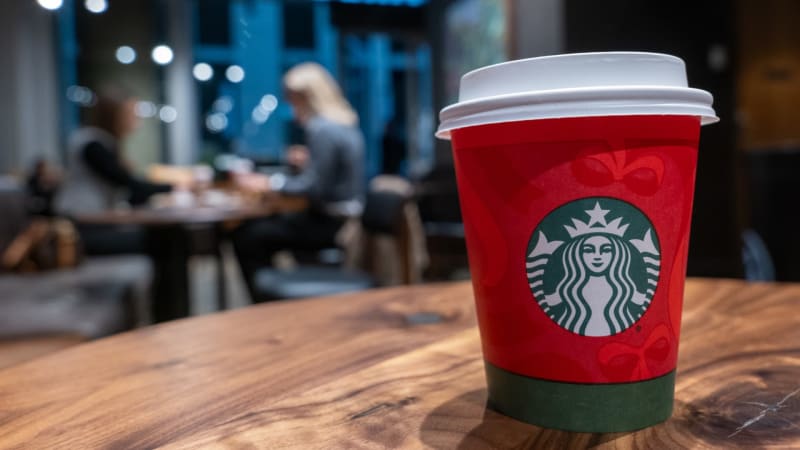
Starbucks led the restructuring efforts, announcing a bold $1 billion plan to close approximately 500 North American locations, including its iconic Reserve Roastery in Seattle. CEO Brian Niccol's strategic review aims to reverse the company's sales slump in its primary market, with more detailed plans expected during the January investor day presentation.
Other major chains followed similar strategies. Wendy's unveiled its 'Project Fresh' turnaround plan, potentially closing a mid-single digit percentage of its U.S. restaurants—potentially hundreds of locations. The burger chain, which had already shuttered 140 restaurants in 2024, continues to adapt to changing consumer preferences amid declining same-store sales.
Denny's planned to close between 70 and 90 restaurants in 2025, responding to customers gravitating toward more affordable fast-food breakfast options. The chain's significant ownership transition to Yadav Enterprises, TriArtisan Capital Advisors, and Treville Capital Group for $620 million underscores the industry's dynamic restructuring.
Jack in the Box implemented its 'Jack on Track' strategy, targeting the closure of 150-200 restaurants and ultimately shuttering 86 locations by September. Darden Restaurants made waves by closing 15 Bahama Breeze locations—roughly a third of the chain's footprint—and exploring potential strategic alternatives, including potential sale or conversion to other brands like Olive Garden.
Legal and operational challenges further complicated the landscape, with Hardee's initiating legal action against ARC Burger, one of its largest franchisees, leading to dozens of location closures due to alleged payment delinquencies. Meanwhile, notable restaurant brands like Hooters, Pinstripes, and On the Border sought bankruptcy protection, highlighting the industry's broader economic pressures.
These strategic closures reflect not just a challenging year, but an industry proactively reimagining its approach to meet evolving consumer demands and economic realities. By streamlining operations and focusing on core strengths, these restaurant chains are positioning themselves for more sustainable growth in an increasingly competitive marketplace.
Based on reporting by CNBC
This story was written by BrightWire based on verified news reports.
More Good News
 ✨ Good News
Gold Investors' Windfall: Inside the Booming Precious Metals Market of 2025
 ✨ Good News
Gold Prices Surge: A Comprehensive Guide to Investing in Precious Metals
 ✨ Good News