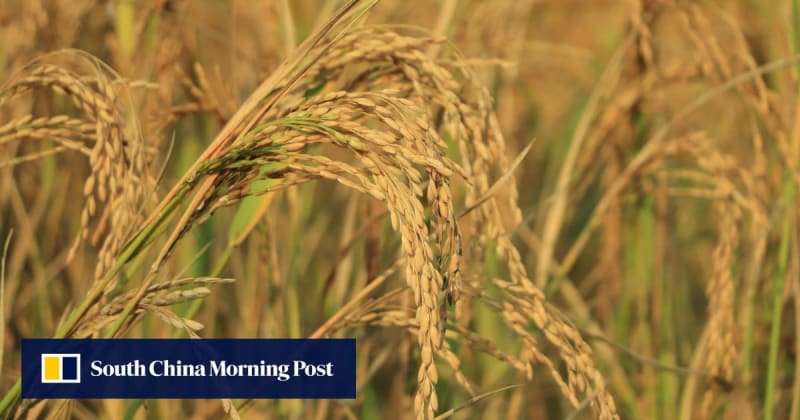
Revolutionary Self-Cloning Rice Could Help Feed Hundreds of Millions Worldwide
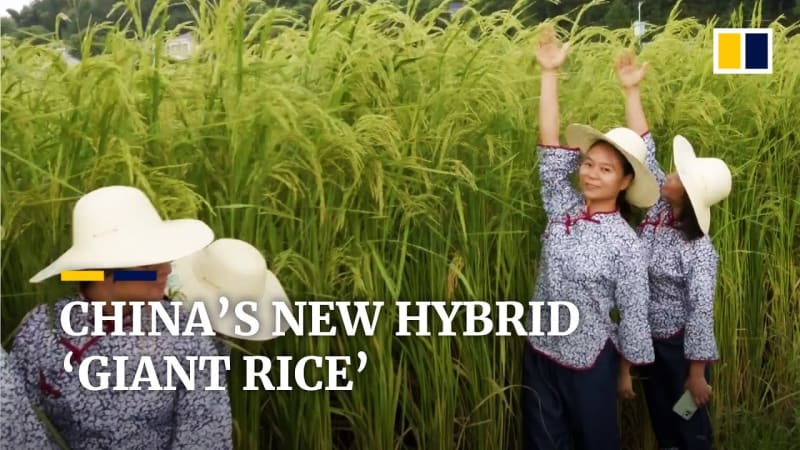
Chinese scientists have achieved a remarkable agricultural breakthrough by developing hybrid rice that reproduces itself through cloned seeds, preserving high yields generation after generation. This innovation could make affordable, high-yield rice accessible to farmers everywhere, potentially doubling global rice production and addressing food insecurity for millions.
In a stunning achievement that could transform the future of global food security, Chinese researchers have unlocked one of agriculture's most persistent challenges by creating the world's first self-replicating hybrid rice.
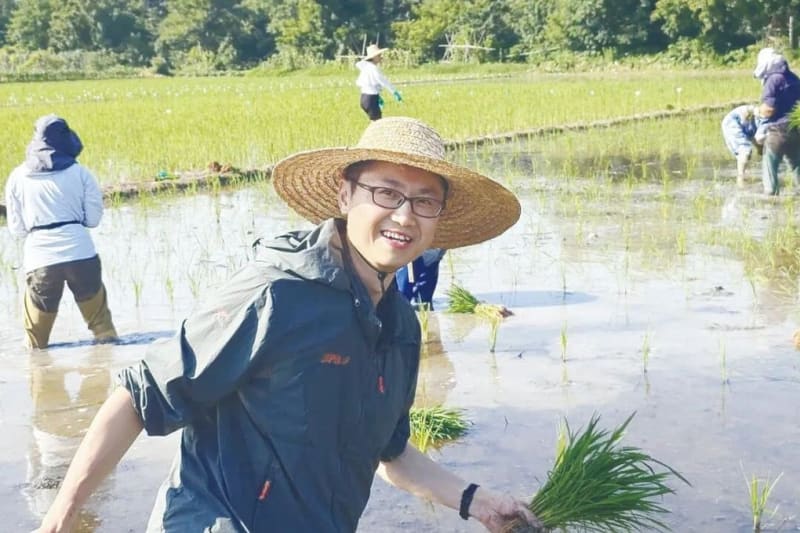
The groundbreaking development, led by Wang Kejian and his dedicated team at the Chinese Academy of Agricultural Sciences' China National Rice Research Institute, represents a beautiful marriage of cutting-edge science and humanitarian purpose. Through years of patient research, they've developed six varieties of hybrid rice that can clone themselves through their seeds, faithfully passing down high-yield traits from one generation to the next.
What makes this discovery so heartening is its potential to democratize access to food production on an unprecedented scale. Hybrid rice has long been celebrated for its impressive yields—producing nearly four times more grain than traditional varieties in parts of Africa. However, there's been a significant barrier: farmers have needed to purchase expensive new hybrid seeds every single season, with costs reaching up to 100 times that of regular rice seeds. This ongoing expense has kept many small-scale farmers from benefiting from this productive crop.
The Chinese team's innovation elegantly solves this challenge through a natural process called apomixis, where seeds develop without fertilization, essentially creating perfect genetic copies. The researchers developed and tested six apomictic rice varieties across multiple generations in Hainan and Zhejiang provinces, ensuring the stability and reliability of their discovery.
The implications are truly inspiring. Industry experts estimate that if farmers worldwide could plant this new variant, global rice production could potentially double. For the hundreds of millions of people currently facing acute food insecurity, this breakthrough offers genuine hope for a more food-secure future.
Beyond the impressive numbers, there's something profoundly optimistic about this achievement. It demonstrates how dedicated scientific research can address real-world humanitarian challenges. By eliminating the annual cost barrier of hybrid seeds, this innovation could empower small-scale farmers across the globe, giving them access to the same high-yield technology previously available primarily to wealthier agricultural operations.
The development also showcases the power of sustained, methodical research. The team's work across multiple growing seasons and different provinces ensured their varieties could perform reliably under various conditions—a crucial step in moving from laboratory success to real-world impact.
As our global community continues to grapple with feeding a growing population amid climate uncertainties, innovations like this remind us that human ingenuity and scientific collaboration can create meaningful solutions. This isn't just about rice yields or agricultural statistics; it's about farmers gaining greater independence, families enjoying food security, and communities building more resilient futures.
The journey from laboratory to rice bowl will require continued effort, including scaling up seed production and distribution systems. Yet this milestone represents a beacon of hope, showing that with creativity, dedication, and scientific excellence, we can tackle even the most daunting challenges facing humanity.
More Images
Based on reporting by South China Morning Post
This story was written by BrightWire based on verified news reports.
Spread the positivity! 🌟
Share this good news with someone who needs it
More Good News
 🚀 Innovation
Tiny Worm, Enormous Impact: How C. elegans Transforms Medicine and Saves Lives
 🚀 Innovation
Revolutionary AI Tool Brings Stress-Free Health Monitoring to Cattle Ranching
 🚀 Innovation
Global Bio-Innovation Thrives as China Emerges as Major Research Powerhouse
Joke of the Day
Why don't scientists trust atoms?
Explore Categories
Quote of the Day
"The only way to do great work is to love what you do."
— Steve Jobs