Robot Learns to Lip Sync by Watching YouTube Videos
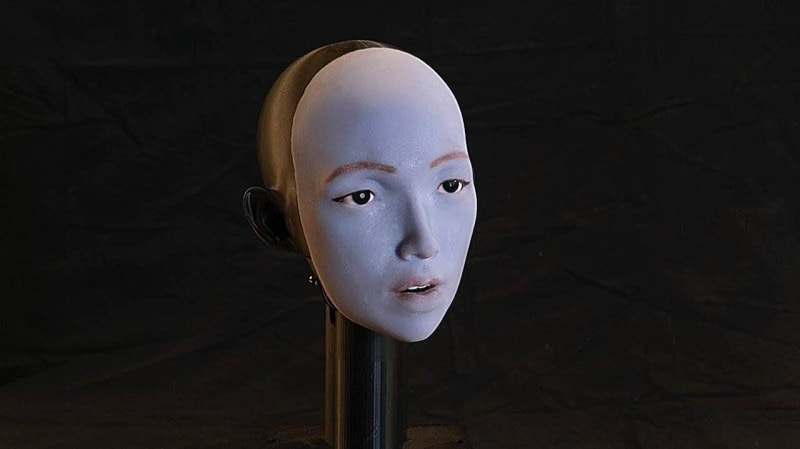
Columbia University engineers created the first robot that can learn realistic lip movements by watching itself in a mirror and studying YouTube videos. The breakthrough could transform how humans interact with robots in healthcare, education, and entertainment.
A robot at Columbia University just learned to lip sync by binge-watching YouTube, and it might change how we connect with machines forever.
Engineers at Columbia's Creative Machines Lab built a robot face with 26 motors that can actually learn human lip movements on its own. Instead of following rigid programming rules, the robot taught itself by watching its reflection in a mirror and then studying hours of YouTube videos of people talking and singing.
The breakthrough matters because humans are incredibly picky about faces. We forgive clumsy robot arms or awkward walking, but we can't overlook even slight facial mistakes. This phenomenon is called the "Uncanny Valley," and it's why most humanoid robots feel lifeless or even creepy.
Professor Hod Lipson and his team approached the challenge differently. First, they let the robot make thousands of random facial expressions in front of a mirror, learning how its motors controlled its appearance. Then they showed it videos of humans speaking in different languages and singing, allowing it to connect sounds with lip movements.
The result is a robot that can lip sync to speech and music without understanding the words. The team published their findings in Science Robotics and even released an AI-generated debut album called "hello world" to showcase the robot's abilities.
The technology isn't perfect yet. Hard sounds like "B" and lip-puckering sounds like "W" still trip it up. But doctoral student Yuhang Hu, who led the study, explains that the robot improves with more practice and observation.
When combined with conversational AI like ChatGPT, the lifelike facial movements create deeper emotional connections between humans and robots. The longer the robot watches people talk, the better it gets at imitating the subtle gestures that help us connect emotionally.
The Ripple Effect
This breakthrough arrives at a crucial moment. Some economists predict over a billion humanoid robots will be manufactured in the next decade for roles in entertainment, education, medicine, and elder care.
Much of today's robotics research focuses on walking and grasping objects. But Lipson believes facial expression is equally important for any robot working alongside humans. Almost half of our attention during face-to-face conversations focuses on lip movement, making this seemingly simple skill essential for meaningful human-robot interaction.
The team sees facial expression as the "missing link" in robotics. As robots take on more roles requiring human connection, warm and lifelike faces will become just as important as functional hands and legs.
A future where robots can express themselves with genuine, learned facial movements instead of puppet-like gestures is closer than we think.
More Images




Based on reporting by Phys.org - Technology
This story was written by BrightWire based on verified news reports.
Spread the positivity! 🌟
Share this good news with someone who needs it


