Rwanda Graduates Step Up to Build Health Systems
A new class of health professionals from Rwanda's University of Global Health Equity is entering the field at a critical moment when African nations must strengthen healthcare from within. Their training focuses on equity and innovation as global health funding faces uncertainty.
Rwanda just celebrated a graduating class that couldn't arrive at a better time.
The University of Global Health Equity sent its newest cohort of health professionals into the world on Saturday, armed with training designed for one of healthcare's biggest challenges. As global health funding shrinks and major institutions like the World Health Organization face budget cuts, African nations can no longer rely on external support alone.
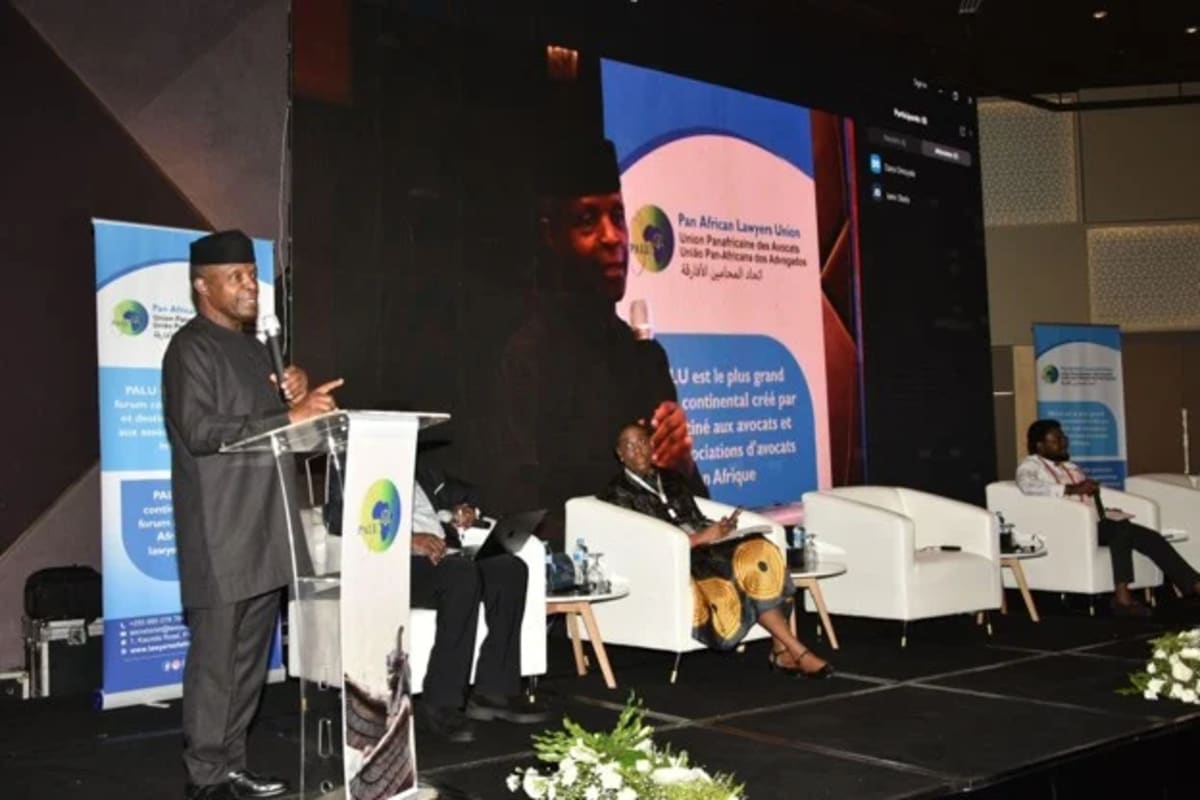
The Prime Minister told graduates they must lead the charge in building resilient health systems. That message carries extra weight right now, as funding constraints reshape priorities across low and middle-income countries.
For decades, African healthcare systems depended heavily on international aid. That support saved countless lives and expanded access to care, but the current funding crisis demands a new approach. Resilience must come from within.
These graduates bring exactly what the moment requires. Their training goes beyond technical skills to include health financing, data systems, and designing care that works even when outside funding disappears.
Rwanda already proved what's possible with the right approach. Over twenty years, the country invested in community healthcare, expanded insurance coverage, and trained local professionals. Those gains came from national ownership and refusing to accept fragile systems as inevitable.
The Ripple Effect
The impact of this graduating class will extend far beyond individual patients. These professionals will strengthen institutions, mentor future healthcare workers, and adapt global solutions to African realities.
Their timing couldn't be more crucial. Workforce shortages and emerging health threats continue testing even strong healthcare systems across the continent. But funding constraints also create space for homegrown innovation.
The university equipped graduates with world-class education specifically designed for these challenges. They learned to think as system builders, not just service providers.
As these new professionals begin their careers, they carry a powerful message: Africa's health future depends less on international gifts and more on what communities build themselves.
Based on reporting by AllAfrica - Health
This story was written by BrightWire based on verified news reports.
Spread the positivity!
Share this good news with someone who needs it