Science in Transition: Researchers Share Impact of Policy Changes on Innovation
Groundbreaking researchers reveal the profound challenges facing scientific research under new federal policies. Their stories highlight both disruption and resilience in America's academic and research landscape.
In 2025, the landscape of American scientific research underwent a dramatic transformation that sent shockwaves through academic and research institutions nationwide.
The Trump administration implemented sweeping changes that fundamentally reshaped federal research priorities, funding mechanisms, and institutional support. Key federal agencies including the National Institutes of Health, NASA, the Environmental Protection Agency, and the National Oceanic and Atmospheric Administration experienced significant downsizing and operational disruptions.
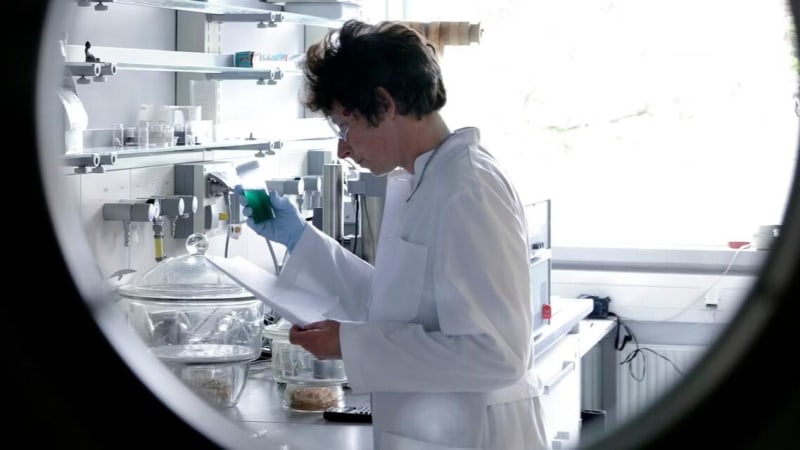
Researchers across multiple disciplines found themselves confronting unprecedented challenges. At Carnegie Mellon University, Associate Professor of Chemistry Carrie McDonough watched her $1.5 million EPA grant for developing machine-learning techniques in chemical safety assessment suddenly terminated in May. Despite the administration's own 'Make America Healthy Again' report highlighting AI-driven chemical exposure assessment as a priority, her project was abruptly defunded.
The policy changes extended beyond funding cuts. Executive orders were issued declaring a binary approach to sex classifications and dismantling diversity, equity, and inclusion programs. Critical public databases tracking health disparities, climate change, and environmental justice were removed, creating significant gaps in research and public information accessibility.
Cara Poland, an Associate Professor of Obstetrics, Gynecology, and Reproductive Biology at Michigan State University, experienced similar disruptions. Her addiction medicine training program, which had previously trained 20,000 healthcare practitioners, saw federal funding slashed by 60%. Motivated by personal experience—her brother's death from substance use disorder—Poland's work aimed to address critical gaps in addiction treatment education.
These changes have profound implications for scientific talent development. Research labs, traditionally serving as pipelines for early-career scientists to enter federal research institutions, now face uncertain futures. Promising graduates are losing federal job opportunities, and entire career trajectories are being fundamentally altered.
Despite these challenges, researchers like McDonough and Poland remain committed to scientific excellence. They continue advocating for academic freedom, emphasizing the critical economic and societal importance of sustained research funding. Their resilience underscores a deeper truth: scientific innovation cannot be easily extinguished, even in the face of significant systemic challenges.
As 2025 draws to a close, the scientific community stands at a critical juncture—adapting, resisting, and reimagining the future of research in an increasingly complex political landscape. The stories of these dedicated researchers serve as powerful testimonials to the enduring spirit of scientific inquiry.
Based on reporting by Live Science
This story was written by BrightWire based on verified news reports.
More Good News
 ✨ Good News
2025: A Year of Transformative Moments - From AI Breakthroughs to Political Pioneers
 ✨ Good News
Breakthrough Solutions: How Innovation is Solving Global Challenges in 2025
 ✨ Good News