
Scientists Create Breakthrough Technology That Could Transform Our Smartphone and TV Screens
Researchers at Princeton and NC State have developed an innovative lighting technology that could revolutionize displays and make our devices more efficient and vibrant. The breakthrough also provided invaluable hands-on experience for undergraduate students, demonstrating how cutting-edge science can inspire the next generation.
In an exciting development that could soon change the screens we look at every day, researchers at Princeton University and North Carolina State University have achieved a remarkable breakthrough in light conversion technology. Their innovation promises to make smartphone displays, televisions, and lighting systems more efficient and visually stunning than ever before.
The team, led by Princeton Professor Barry Rand, has cracked a longstanding challenge in optical physics. They've developed a method to convert lower-energy light into higher-energy light with dramatically less power than previous techniques required. This achievement represents a significant leap forward in display technology and energy efficiency.
At the heart of this innovation is something called triplet-fusion upconversion combined with plasmonics. While that might sound complex, the concept is elegantly simple: the researchers found a way to use a thin silver film to gather and amplify light energy. When low-energy light hits this specially designed surface, it triggers a cascade of interactions that boost the light to a higher energy state, creating brighter, more vibrant colors.
The results are impressive. The new technique requires nineteen times less power than previous non-plasmonic systems, while increasing light absorption by tenfold. This dramatic improvement means devices could operate more efficiently while producing better quality images.
To demonstrate real-world applications, the team built an organic light-emitting diode (OLED) using their plasmonic film. They successfully generated blue light, which has traditionally been one of the trickiest colors to produce in displays because it requires high energy and often leads to device instability. By combining this blue light with red and green, they created crisp white light without requiring special materials or excessive power input.
Perhaps equally inspiring is the role undergraduate students played in this groundbreaking research. Four Princeton undergraduates—Kelvin Green, Amélie Lemay, Yiling Li, and Tersoo Upaa—worked alongside the research team, gaining invaluable graduate-level laboratory experience.
Yiling Li, a senior in Electrical and Computer Engineering, reflected on how her co-researchers encouraged her to ask challenging questions and helped her discover answers through hands-on investigation. Tersoo Upaa shared that the internship boosted his confidence, making him "much more comfortable doing research on topics that I don't yet have a full grasp on."
Jesse Wisch, formerly of Princeton's Rand Lab and now working at Apple, led the experimental work and mentored the students. He found that the undergraduates' questions actually deepened his own understanding of the subject, highlighting how collaborative research benefits everyone involved.
The practical applications of this technology extend far beyond laboratory demonstrations. As our world becomes increasingly digital, with more people relying on screens for work, entertainment, and communication, more efficient and higher-quality displays become essential. This breakthrough could lead to smartphones and laptops with longer battery life, more vivid colors, and improved performance.
The research team isn't stopping here. They've outlined plans for further improvements in white OLEDs through enhanced films and optical structures, suggesting that even more exciting developments lie ahead.
This achievement beautifully demonstrates how fundamental scientific research can yield practical benefits while nurturing the next generation of innovators. It's a bright spot in every sense of the word.
More Images


Based on reporting by Reddit - Science
This story was written by BrightWire based on verified news reports.
Spread the positivity! 🌟
Share this good news with someone who needs it
More Good News
 🚀 Innovation
Breakthrough Battery Technology Promises Safer, Longer-Lasting Energy Storage
 🚀 Innovation
Record-Breaking Discovery! New Observatory Finds Fastest-Spinning Asteroid Yet
 🚀 Innovation
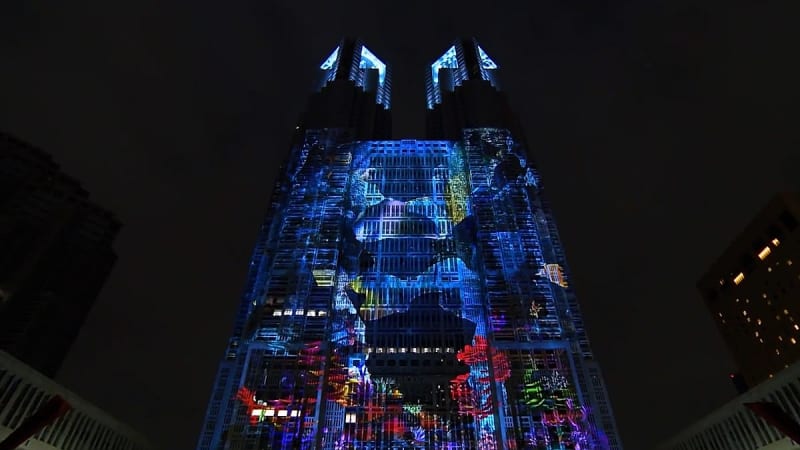
Tokyo's Record-Breaking Light Show Illuminates Nights with Solar-Powered Spectacle
Joke of the Day
Why did the librarian get kicked out of class?
Explore Categories
Quote of the Day
"Do not go where the path may lead, go instead where there is no path and leave a trail."
— Ralph Waldo Emerson